
Why Carpet Care Deserves a Spot in My Home‑Improvement Playbook
When I first stepped onto the plush, deep‑pile rug in my living room after a long day, I felt an almost reverent comfort that no hardwood or tile could match, and that sensation sparked a personal mission: to treat carpet not just as décor, but as a living component of my home’s health and aesthetic. Carpet fibers act like tiny air filters, trapping dust, pollen, and microscopic pollutants that would otherwise swirl through the air, yet they also become a breeding ground for the very same contaminants if neglected. Over the years I’ve experimented with everything from lemon‑vinegar sprays to high‑tech steam machines, learning that the right blend of chemistry, physics, and timing can transform a tired, dull surface into a vibrant, breathable foundation for daily life.
Decoding the Anatomy of Carpet Fibers
Before you can devise a winning cleaning strategy, you need to understand the material you’re battling. The most common carpet fibers—nylon, polyester, olefin, and wool—each possess distinct molecular structures that dictate how they react to moisture, heat, and cleaning agents. Nylon, for example, boasts high resilience and a natural affinity for moisture, making it forgiving to water‑based cleaners but also prone to staining if the stain sets quickly. Polyester, on the other hand, resists water absorption, which means oil‑based spills can linger longer unless you apply a solvent that can break down the grease. Wool offers unmatched softness and natural flame resistance, yet its protein‑based makeup makes it vulnerable to alkaline solutions, so you’ll want to stay clear of harsh detergents. By matching the cleaning method to the fiber type, you avoid the dreaded “hard water ring” effect and preserve the carpet’s original texture.
Stain Science: How Different Spills Behave on Carpet
Every spill tells a story, and the narrative changes depending on whether the culprit is water‑based, oil‑based, or protein‑based. Water‑based stains—think coffee, wine, or juice—penetrate the fiber’s capillaries quickly, which is why blotting, not rubbing, is essential; a gentle upward motion lifts the liquid before it seeps deeper. Oil‑based stains such as butter, motor oil, or makeup are hydrophobic, meaning they cling to the fibers’ surface and repel water, demanding a solvent that can emulsify the oil before any water is introduced. Protein‑based stains, including blood, egg, or dairy, denature when exposed to heat, so a cold‑water approach is crucial to keep the proteins from coagulating and locking into the carpet. Understanding these categories helps you select the right pre‑treatment, whether it’s a vinegar‑water mix for acidic spills, a mild dish‑soap solution for greases, or an enzymatic cleaner for proteins.
DIY Cleaning Arsenal: Household Heroes That Really Work
While professional equipment can be impressive, you don’t need a $2,000 machine to keep your carpet looking fresh; a few kitchen staples can double as powerful cleaning agents when used correctly. A blend of white vinegar, warm water, and a splash of liquid Castile soap creates an acidic yet gentle solution that lifts most water‑based stains without harming nylon or polyester fibers. For oily messes, sprinkle a generous layer of baking soda on the spill, let it sit for fifteen minutes to absorb the grease, then vacuum before applying a few drops of dish soap diluted in warm water. When dealing with stubborn protein stains, a mixture of hydrogen peroxide (3%) and a few drops of lemon juice can break down the proteins; however, always test in an inconspicuous corner first to ensure colorfastness. These recipes not only save money but also reduce reliance on harsh chemicals, aligning with a more sustainable home‑care philosophy.
The Power—and Pitfalls—of Steam Cleaning
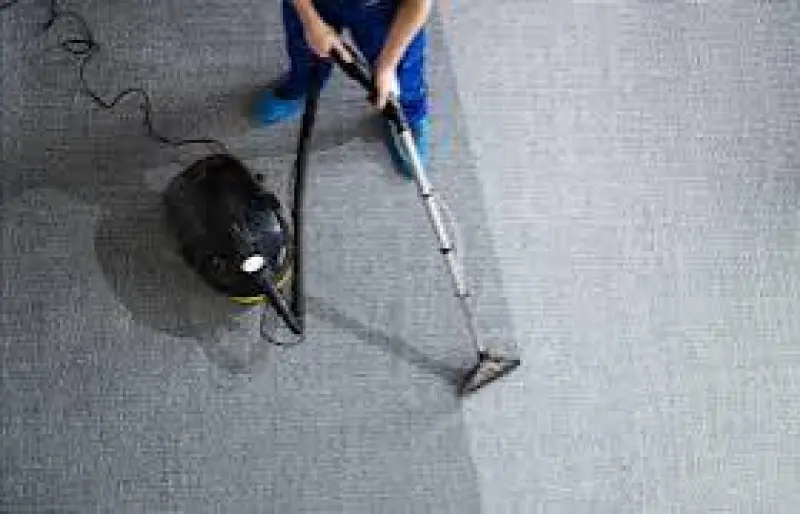
Steam cleaning, also known as hot‑water extraction, injects high‑temperature water deep into carpet fibers, loosening dirt and killing dust mites in one sweeping motion, and when done correctly, it can rejuvenate even the most worn‑out rug. The key to success lies in controlling the temperature and moisture level; too much heat on wool can cause shrinkage, while excess water on olefin can lead to mold growth if the carpet doesn’t dry quickly. I recommend using a machine that allows you to set the water temperature between 150°F and 180°F and includes a powerful suction system that extracts at least 70% of the water used. After a steam session, keep the room well‑ventilated with fans or open windows for at least thirty minutes to ensure the carpet dries thoroughly, preventing any lingering dampness that could foster mildew.
When to Call in the Professionals
Even the most diligent DIY enthusiast reaches a point where professional expertise becomes the smarter choice, especially for high‑traffic areas or carpets with intricate patterns that could be damaged by aggressive scrubbing. Certified technicians bring commercial‑grade equipment, such as rotary extractors and encapsulation systems, that can achieve a deeper clean than consumer‑grade machines. They also have access to specialized spot‑treatment chemicals formulated for delicate fibers, ensuring that colors remain vivid and the pile stays intact. Moreover, professionals can conduct a pre‑cleaning assessment to identify potential issues like subfloor mold or carpet backing degradation, problems that DIY methods might miss and that could compromise the carpet’s lifespan. Investing in a professional clean once or twice a year, combined with regular home maintenance, creates a balanced regimen that extends the life of your investment.
Allergy Relief: Carpet as a Frontline Defense
For families battling seasonal allergies or asthma, carpet can either be a hidden ally or a silent saboteur, depending on how well it’s maintained. Because carpet fibers trap allergens, regular vacuuming with a HEPA‑rated filter is non‑negotiable; a good vacuum should remove at least 99% of particles down to 0.3 microns, dramatically reducing airborne irritants. Complement this routine with a bi‑annual deep clean—whether DIY steam or professional extraction—to dislodge dust mites that embed themselves in the pile. I’ve also found that sprinkling a light layer of baking soda before vacuuming can neutralize odors and bind fine dust, making the subsequent suction more effective. Pair these practices with a household air purifier, and you’ll notice a measurable drop in sneeze‑inducing particles, turning your carpet from a potential trigger into a protective barrier.
Eco‑Friendly Carpet Care: A Sustainable Approach
Going green doesn’t mean sacrificing cleanliness; in fact, many environmentally conscious strategies can enhance the longevity of your carpet while reducing your carbon footprint. Opt for plant‑based cleaners such as citrus‑derived surfactants, which break down grime without lingering residues that can pollute water supplies. When it’s time to replace a carpet, consider options made from recycled fibers or natural materials like sisal and jute, which decompose more readily at the end of their life cycle. For ongoing maintenance, I follow the guidance found in the sustainable flooring guide, which emphasizes low‑impact cleaning frequencies and the use of reusable microfiber pads instead of disposable wipes. By aligning your carpet‑care routine with these principles, you contribute to a healthier home environment and a greener planet.
Building a Long‑Term Carpet Care Checklist
To keep your carpet looking its best year after year, I’ve distilled my experience into a simple, actionable checklist that blends daily habits with seasonal deep‑cleaning tasks. Daily: vacuum high‑traffic zones using a HEPA filter, and address spills immediately with the appropriate cleaning solution based on the stain type. Weekly: rotate furniture to distribute foot traffic evenly and give the carpet a chance to “breathe.” Quarterly: perform a spot‑test for colorfastness, then execute a DIY steam clean or schedule a professional extraction. Annually: assess the carpet’s overall condition, checking for signs of wear, fraying, or mold, and replace or repair as needed. By following this structured plan, you’ll not only preserve the aesthetic appeal of your carpet but also protect the health of everyone who walks across it.

Tom Ferguson is a Canadian freelance writer with a passion for storytelling, current events, and thoughtful commentary. Drawing on years of writing experience, he shares engaging insights on a wide range of topics, bringing a uniquely Canadian perspective to his work.
Related Posts
Why Carpet Care is the Backbone of Healthy, Efficient Buildings
A deep dive into the hidden benefits of carpet cleaning, revealing its role in enhancing indoor air ... Read More

Eco‑Friendly Carpet Cleaning: Proven Strategies for a Healthier Home
A veteran contractor shares his proven, eco‑friendly carpet cleaning strategies, from green soluti... Read More
Sustainable Carpet Cleaning: Turning Floors into a Competitive Advantage
A sustainable carpet cleaning strategy can lower expenses, cut emissions, and enhance employee healt... Read More
Top Posts

Reinventing Drywall: Modular, Smart, and Sustainable Solutions
A deep dive into modular drywall systems that cut waste, embed IoT sensors, and use recycled gypsum, showing how walls can become active, data‑driven componen...Read More

Why Waterproofing is Ready for a Subscription Revolution
Why Waterproofing is Ready for a Subscription Revolution When I first got my hands dirty on a leaky basement in the Midwest, I learned the hard way that once‑...Read More
Drywalling Secrets: Sustainable Strategies Every Renovator Should Know
Learn how smart drywall choices, low‑VOC materials, and efficient installation techniques create sustainable, energy‑saving homes while keeping costs under ...Read More
Revolutionizing Home Comfort: The Future of Floor Heating
Floor heating is revolutionizing home comfort and energy efficiency. Learn about the benefits, types, and future trends of floor heating systems, and discover h...Read More
0 Comments
Post Comment
You will need to Login or Register to comment on this post!