
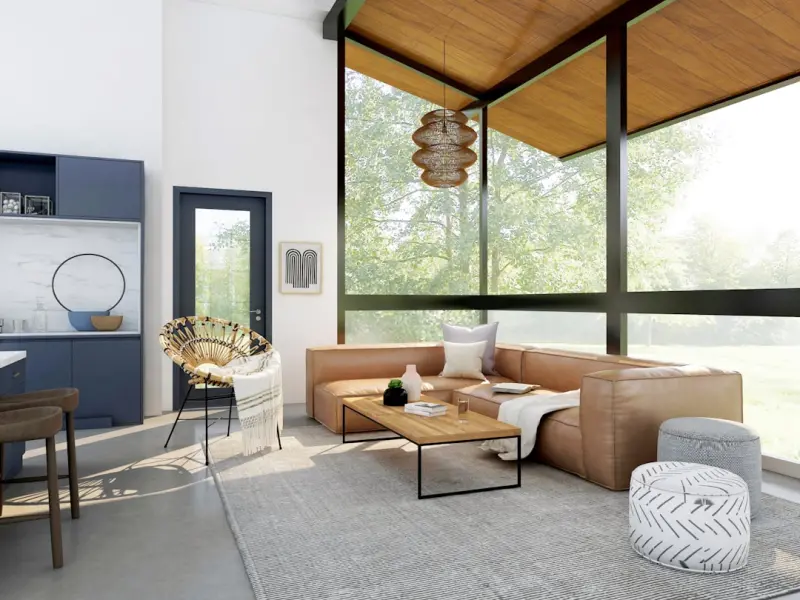
Designing Adaptive Spaces for the Modern Lifestyle
When I first walked into a loft that could morph from a home office to a dinner party venue with the flick of a switch, I realized we’re at a crossroads. Interior design is no longer about static aesthetics; it’s about creating environments that respond to our ever‑shifting routines, moods, and even the data that lives in the walls. In this post, I’ll unpack three guiding principles that let designers, homeowners, and facility managers build spaces that feel both personal and future‑ready.
1. Embrace Fluid Layouts That Learn From Their Users
Traditional floor plans assume a single, unchanging purpose: a kitchen for cooking, a living room for lounging. Yet the average household now juggles remote work, streaming studios, and wellness corners—all in the same square footage. The solution? Fluid layouts that can be re‑configured on demand.
Think modular wall panels that slide on a low‑profile track, or retractable workstations that fold into the ceiling when not needed. These systems aren’t just clever tricks; they’re built on a simple premise: space should serve the person, not the other way around. By integrating lightweight, durable materials like aluminum‑reinforced composites and magnetic fastening systems, you get the reliability of permanent construction with the adaptability of a pop‑up shop.
When I consulted on a coworking hub in downtown Toronto, we used a combination of acoustic‑absorbing floor tiles and movable acoustic panels. The result? Teams could instantly shift from collaborative brainstorming to focused, silent work zones without the need for permanent partitions. The space feels alive, and users report higher satisfaction.
2. Leverage Human‑Centric Color Psychology
Color isn’t just a visual garnish; it’s a subconscious driver of emotion and productivity. While many designers rely on seasonal palettes, a more nuanced approach looks at the psychology behind each hue and aligns it with the functional zones of a room.
- Cool blues and greens in home offices help lower heart rate and increase concentration.
- Warm terracotta or muted orange in dining areas stimulates appetite and conversation.
- Soft lavender or muted violet in sleeping quarters promotes relaxation and better sleep cycles.
But the magic happens when these colors are paired with smart lighting that adjusts hue temperature throughout the day. Imagine a bedroom that starts with a sunrise‑mimicking amber glow, transitions to a cool blue for reading, and finally dims to a deep indigo for sleep. The technology behind this isn’t as futuristic as it sounds; many off‑the‑shelf LED systems can be programmed via simple apps, and their integration adds a layer of personalization that static paint simply cannot achieve.
3. Integrate Data‑Driven Insights Without Overwhelming the User
Data has become a silent partner in building design, from energy consumption dashboards to occupancy sensors. The trick is to use this information to enhance comfort, not to turn your living room into a control room.
One approach is to adopt digital twin technology on a micro‑scale. By creating a virtual replica of a single apartment, designers can simulate how daylight, heat, and sound travel throughout the space before a single nail is driven. This allows for pre‑emptive adjustments—like repositioning a window or swapping a material—that improve real‑world performance without costly retrofits.
Another practical application is the use of data‑driven weatherproofing methods that go beyond the obvious. Sensors embedded in exterior cladding can relay humidity levels to a central hub, prompting subtle changes in interior humidity control systems. This ensures that the interior climate remains comfortable and that the building envelope stays healthy over time.
4. Prioritize Acoustic Comfort in Open‑Plan Environments
Open‑plan layouts are the hallmark of modern workspaces, yet they often neglect the acoustic dimension. The result is a cacophony that hampers focus and elevates stress. To counter this, I recommend a layered approach:
- Material selection: Use soft, porous finishes like acoustic plaster, felt wall panels, and carpeted zones to absorb mid‑frequency sounds.
- Strategic zoning: Position collaborative areas away from quiet zones, and employ low‑height baffles that double as decorative elements.
- Dynamic sound masking: Deploy subtle, ambient sound generators that emit white‑noise or natural soundscapes, which can be calibrated based on occupancy data.
When implemented in a boutique design studio in Seattle, these tactics cut perceived noise levels by 35 % according to post‑occupancy surveys, while maintaining the airy, collaborative feel that the client originally wanted.
5. Make Sustainability a Tangible Design Element
Eco‑friendly design is no longer a buzzword; it’s a baseline expectation. However, sustainability can also be a visual and tactile experience. Here are three ways to make green choices evident:
- Expose reclaimed timber in structural beams or as accent walls. The patina tells a story and reduces demand for virgin wood.
- Integrate living walls or vertical gardens that double as natural air filters, adding texture and a soothing green palette.
- Utilize low‑VOC finishes and natural pigments that improve indoor air quality while offering rich, authentic colors.
These choices don’t just benefit the planet—they create a sense of place that resonates with occupants who value transparency and responsibility.
6. The Future: Augmented Reality as a Design Tool
Imagine walking through a room before any furniture is delivered, moving a sofa with a swipe of your hand, and instantly seeing how a new rug changes the flow. Augmented reality (AR) is making this a reality. By overlaying 3D models onto a real‑world view through a tablet or smart glasses, designers can iterate faster, catch spatial issues early, and empower clients to co‑create.
During a recent residential project in Vancouver, we used an AR platform to let the homeowners experiment with three different lighting schemes in real time. The client chose a warm, layered lighting plan that we might never have proposed based solely on 2‑D renderings. The technology acted as a bridge between imagination and execution.
7. Curate Personal Narratives Through Art and Artifacts
Every space tells a story. While color, light, and furniture set the stage, personal artifacts provide the plot. Encourage occupants to showcase items that reflect their journeys—travel souvenirs, family heirlooms, or even a curated collection of books. These pieces not only humanize a space but also serve as conversational anchors.
From a design perspective, the key is to frame these items thoughtfully: use recessed lighting to highlight a vintage camera, or install floating shelves that float like clouds, giving each object breathing room. The result is a dynamic narrative that evolves as the occupants’ lives change.
Conclusion: Designing for the Unpredictable
Our homes and workplaces are no longer static backdrops; they are active participants in our daily lives. By embracing fluid layouts, leveraging color psychology, integrating subtle data insights, prioritizing acoustic comfort, making sustainability visible, adopting AR, and curating personal narratives, we can design spaces that adapt as gracefully as the people who inhabit them.
If you’re ready to transform a space from a mere room into a responsive, nurturing environment, start with one of the principles above. The journey is iterative, but the payoff—a space that feels truly yours, today and tomorrow—is worth every thoughtful adjustment.

David MacKinnon is a dynamic freelance writer known for his captivating storytelling and keen insights into the world of technology. With a passion for exploring the intersection of innovation and everyday life, he crafts engaging narratives that not only inform but also inspire his readers.
Related Posts

Designing for Neurodiversity: Crafting Calm, Focused Interiors for Every Brain
A deep dive into neuro‑inclusive design reveals how lighting, acoustics, color, texture, and flexi... Read More
Designing a Sustainable Smart Sanctuary: Trends That Transform Your Home
Explore how eco‑friendly materials, smart window treatments, and multifunctional furniture combine... Read More
Designing a Sustainable Sanctuary: Interior Trends that Transform Your Home
Discover how to blend style, sustainability, and smart technology in interior design, creating a hom... Read More
Top Posts
AI‑Powered Personalization: The Next Wave in Interior Design
AI is reshaping interior design by turning client preferences into actionable data, enabling rapid, immersive visualizations and sustainable material choices, a...Read More
Staying Cozy: How Modern Insulation Materials Can Transform Your Home's Comfort
Insulation plays a critical role in keeping your home cozy and energy bills in check. Learn about the evolution of insulation and how modern materials are chang...Read More
Why Your Gutters Need a Sustainable Upgrade
A sustainable gutter system does more than divert water—it protects foundations, harvests rain, and works with smart tech to keep homes dry and eco‑friendly...Read More
When Countertops Shape Mood: Designing for Wellness in Commercial Spaces
Countertops do more than hold dishes—they influence touch, sight, and sound. This post reveals how thoughtful material choices, biophilic elements, and acoust...Read More
0 Comments
Post Comment
You will need to Login or Register to comment on this post!