
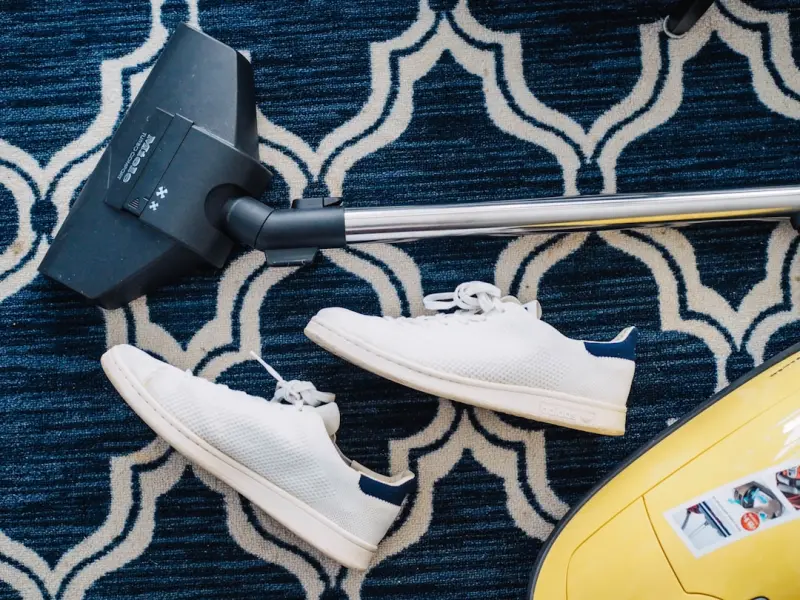
Why Carpet Cleaning Is the Unsung Hero of a Healthy Home
When I first moved into my downtown loft, I fell in love with the plush, high‑pile carpet that softened every footstep. It felt like walking on clouds, a subtle luxury that transformed a bare concrete slab into a cozy sanctuary. Months later, after a bout of sneezing that turned into a relentless cough, I discovered the hidden enemy lurking beneath those soft fibers: a cocktail of dust, pollen, pet dander, and microscopic mold spores that had settled deep into the carpet’s weave.
That experience sparked a personal mission: to understand how carpet cleaning goes far beyond aesthetics and becomes a cornerstone of indoor health, comfort, and even the long‑term durability of our homes. In this post, I’ll peel back the layers of carpet care, explore cutting‑edge cleaning technologies, and share a practical roadmap that balances sustainability, cost, and the desire for a truly fresh living space.
The Silent Health Toll of Neglected Carpets
Carpets are fantastic at what they’re designed to do: trap particles. Every footstep, every pet’s paw, and every gust of wind that sneaks in through an open window leaves a trace. While that’s great for keeping the air clear of visible dust, it also means that allergens and pollutants become hidden reservoirs that continuously release back into the room.
- Allergen buildup: Dust mites thrive in the warm, humid micro‑environment of carpet fibers. Their feces are a primary trigger for asthma and allergic rhinitis.
- Volatile organic compounds (VOCs): Over time, synthetic carpet backing can off‑gas chemicals that affect respiratory health, especially in poorly ventilated spaces.
- Microbial growth: Spills that linger can foster bacterial colonies and, under the right conditions, mold—adding a subtle but persistent odor and potential health risk.
Research shows that indoor air can be up to five times more polluted than outdoor air, and carpets are a major contributor. A clean carpet is not just a visual upgrade; it’s a proactive health measure that reduces the load on HVAC filters and improves overall indoor air quality.
Air Quality, Allergens, and the Role of Carpet Fibers
The relationship between carpet fibers and airborne particles is a dance of physics. Larger particles settle quickly and remain trapped in the pile, while smaller particles—like pollen and smoke—can penetrate deeper. The denser the weave, the more surface area there is for these particles to cling to.
When you vacuum, you’re only removing the surface layer. A high‑efficiency vacuum equipped with a HEPA filter can capture up to 99.97% of particles 0.3 microns in size, but it still leaves behind a significant amount of embedded dust. That’s why periodic deep cleaning—using methods that inject water or cleaning agents and then extract the solution—becomes essential.
Modern Cleaning Techniques: From Steam to Nanotech
Traditional hot‑water extractions have been the gold standard for decades, but today’s market offers a spectrum of alternatives that cater to different needs:
- Steam cleaning: Uses high‑temperature steam to loosen soil and kill microorganisms without chemicals. Ideal for households with children and pets, but it requires ample drying time to prevent mold growth.
- Encapsulation cleaning: A polymer‑based solution that binds soil particles into a dry crumb, which is then vacuumed away. This method leaves less moisture behind, reducing drying time.
- Dry‑powder cleaning: A newer, low‑moisture technique that applies a biodegradable powder, agitates it, and vacuums it up. Perfect for quick turnarounds and delicate fibers.
- Nanoparticle‑infused cleaners: Emerging products embed silver or copper nanoparticles that provide antimicrobial protection for months after cleaning. While still under study, early results suggest a promising reduction in bacterial regrowth.
Choosing the right method hinges on your carpet type, foot traffic, and how quickly you need the space to be usable again. For instance, a high‑traffic hallway may benefit from encapsulation, while a living room where you entertain guests might justify the thoroughness of steam extraction.
Sustainable Carpet Care: Cleaning Without Compromise
Eco‑conscious homeowners often wonder if deep cleaning can align with green values. The answer is a resounding yes, provided you make mindful choices. Look for cleaning agents that are biodegradable, plant‑based, and free of phosphates or harsh surfactants. Moreover, consider the water usage—some modern machines recycle a portion of the extracted water, dramatically reducing consumption.
For inspiration on integrating sustainability into home maintenance, check out this guide on green mold remediation insights. While it focuses on mold, the principles of using non‑toxic solutions and conserving resources translate directly to carpet cleaning.
Smart Cleaning Gadgets: The Rise of AI‑Driven Carpet Care
Automation has seeped into almost every corner of home care, and carpets are no exception. Robotic carpet cleaners equipped with LiDAR mapping and AI algorithms now navigate complex room layouts, adjust suction based on pile depth, and even detect high‑soil zones to apply extra cleaning power.
These devices often integrate with smart home ecosystems, letting you schedule runs via voice assistants or set up cleaning “zones” that correspond with high‑traffic areas. While they’re not a replacement for professional deep cleaning, they excel at maintaining a baseline level of cleanliness that extends the intervals between major treatments.
DIY vs. Professional: A Decision Matrix
When it comes to carpet care, the DIY route offers flexibility and cost savings, but professional services bring expertise, equipment, and warranties. Use the following matrix to decide which approach fits your situation:
| Factor | DIY | Professional |
|---|---|---|
| Initial Cost | Low (rent or buy a consumer‑grade machine) | Higher (service fee) |
| Effectiveness | Moderate (depends on equipment) | High (industrial‑grade extraction) |
| Time Investment | Long (setup, cleaning, drying) | Short (team handles everything) |
| Warranty/Guarantee | None | Often includes a guarantee on results |
| Environmental Impact | Variable (depends on chemicals used) | Typically uses eco‑friendly solutions |
If you have a modest area, limited budget, and enjoy hands‑on projects, a quality encapsulation kit can deliver impressive results. For larger homes, high‑traffic commercial‑grade carpets, or when dealing with stubborn stains, a professional service is worth the investment.
Cost vs. Value: Understanding the ROI of Clean Carpets
Beyond health, carpet cleanliness directly influences the resale value of a home. Prospective buyers often assess a property’s overall upkeep by the condition of its flooring. A well‑maintained carpet can add up to 5% to the perceived value, according to real‑estate surveys.
Factor in the cost of professional cleaning (typically $0.25–$0.50 per square foot) against the potential price premium you could command. Even for renters, regular cleaning prolongs the life of the carpet, reducing the likelihood of security‑deposit deductions.
Seasonal Strategies: Tailoring Your Cleaning Calendar
Seasonal shifts bring different challenges:
- Spring: Pollen influx—schedule a deep clean after the first heavy rains to remove accumulated outdoor allergens.
- Summer: Increased foot traffic from vacations—use a quick‑dry encapsulation method to keep the carpet fresh for guests.
- Fall: Leaf debris and humidity—opt for steam cleaning to combat mold risk.
- Winter: Snow, salt, and indoor gatherings—focus on spot treatments for spills and consider a protective carpet protector spray.
By aligning cleaning methods with seasonal demands, you maximize effectiveness while minimizing downtime.
Integrating Carpet Care Into a Holistic Home Maintenance Routine
Think of carpet cleaning as part of a broader “underfoot comfort” strategy. Just as you wouldn’t install radiant floor heating without considering insulation, you shouldn’t ignore the health of the surface you walk on. Pair regular carpet maintenance with:
- Routine HVAC filter replacement (to keep airborne particles from re‑settling).
- Humidity control—maintain indoor humidity between 30% and 50% to discourage dust mite proliferation.
- Floor mat placement at entryways—reduces the amount of soil tracked onto carpets.
For more ideas on creating cohesive comfort experiences, explore underfoot comfort concepts that blend heating, insulation, and flooring choices.
The Future of Carpet Care: From Sensors to Subscription Services
Looking ahead, the next wave of carpet cleaning will likely blend data analytics with service delivery. Imagine a smart sensor embedded in the carpet that monitors moisture levels, particle counts, and temperature, sending alerts to your phone when a deep clean is warranted. Companies are already piloting subscription models where technicians visit on a data‑driven schedule, reducing waste and ensuring optimal carpet health.
Such innovations echo the broader trend of next‑gen construction methods, where technology streamlines maintenance and enhances sustainability.
Closing Thoughts
Carpet cleaning is often relegated to the realm of “cleaning chores,” yet it holds the power to transform indoor health, boost property value, and create a more pleasant living environment. By embracing modern techniques, making sustainable choices, and leveraging smart technology, you can turn that plush underfoot into a true ally for your home’s well‑being.
So the next time you hear the gentle hum of a vacuum or see a professional technician maneuver a high‑pressure extraction wand, remember: you’re not just refreshing a surface—you’re investing in the air you breathe, the comfort you feel, and the longevity of your home.

When it comes to the world of blogging and writing, Rose DesRochers is a name that stands out. Her passion for creating quality content and connecting with her audience has made her a trusted voice in the industry. Aside from her skills as a writer and blogger, Rose is also known for her compassionate nature.
Related Posts

Sustainable Carpet Cleaning: A Hidden Business Advantage
Eco‑friendly carpet cleaning can cut expenses, improve indoor air quality, and elevate brand perce... Read More
Smart Carpet Care: Turning Floors into a Strategic Wellness Asset
Smart carpet cleaning isn’t just about spotless floors—it’s a proactive health strategy that e... Read More
Predictive Carpet Care: Boosting Facility Performance and Longevity
A data‑driven approach to carpet cleaning transforms a reactive chore into a predictive asset mana... Read More
Top Posts

Breathing New Life into Aging Homes: A Sustainable Restoration Playbook
A deep dive into holistic home restoration, blending reclaimed materials, nanocoated paints, and smart monitoring to protect heritage, improve sustainability, a...Read More

The Quiet Power of a Well‑Curated Entryway: Home Tips for First Impressions
A step‑by‑step guide shows how to turn a neglected entryway into a welcoming, organized hub using smart storage, layered lighting, adaptable design, and sea...Read More
How to refinish your Deck to make it look like new again
Revitalize your outdoor living space by following this step-by-step guide to deck maintenance. Learn the professional techniques for cleaning, sanding, and stai...Read More

Beyond the Checklist: How AI‑Powered Energy Inspections Are Redefining Facility Performance
Traditional energy inspections miss hidden waste. This post explains how AI‑driven sensors, digital twins, and automated workflows give facility managers real...Read More
0 Comments
Post Comment
You will need to Login or Register to comment on this post!