
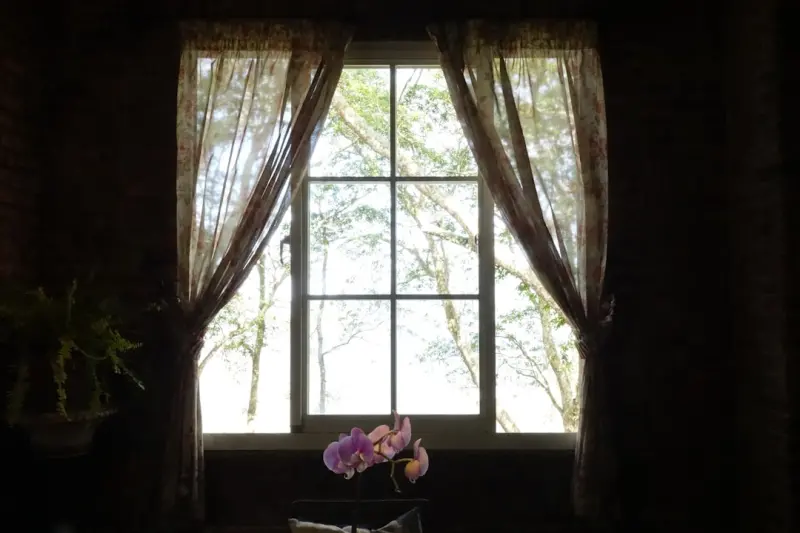
When I first walked into a loft with floor‑to‑ceiling glass, I was struck not just by the view but by the subtle drama that the windows performed throughout the day. Light spilled in like a living brushstroke, the city’s pulse softened at sunset, and at night the interior glowed with a controlled intimacy. It was a reminder that windows are not passive openings – they are dynamic participants in the story of a space. Yet, the real magic lies in what we choose to dress them with. In this post I’ll unpack why modern window dressings have evolved from mere decorative accessories to intelligent, health‑centric, and environmentally responsible systems.
From Curtain Rods to Cognitive Fabrics
For most of history, curtains and blinds were chosen for their aesthetic appeal or sheer practicality – block glare, provide privacy, or add a splash of color. Today, the market offers fabrics that change opacity on demand, blinds that respond to ambient light, and motorized drapes that sync with your calendar. This shift is powered by three converging trends:
- Sensor‑Driven Adaptability: Light, temperature, and occupancy sensors feed data into a controller that decides whether a shade should be fully open, partially drawn, or fully closed. The goal is to maintain optimal daylight while curbing unwanted heat gain.
- Materials Science Breakthroughs: Nano‑coated textiles can reflect infrared radiation, block UV rays, and even filter airborne particulates. Some fabrics incorporate phase‑change materials that absorb excess heat during the day and release it at night, contributing to passive climate control.
- Automation Integration: Most smart home platforms now support window‑treatment devices via Zigbee, Matter, or Wi‑Fi. This means you can program a “Wake‑Up” scene where blinds rise gradually, mimicking sunrise, or a “Work‑Mode” mode that keeps blinds at a 45‑degree angle to reduce glare on monitors.
These capabilities transform window dressings from static décor to active building components that influence energy consumption, occupant comfort, and even mental well‑being.
Energy Efficiency: The Silent Savings
One of the most tangible benefits of intelligent window dressings is their impact on a building’s energy profile. According to the U.S. Department of Energy, windows account for up to 30 % of a building’s heating and cooling load. By managing solar heat gain and loss, smart treatments can shave a noticeable chunk off that number.
Consider a south‑facing office with motorized cellular shades. In summer, the shades close to 70 % opacity during peak sun hours, reducing cooling demand by roughly 10 %. In winter, the same shades open automatically when indoor temperature drops below a set point, allowing solar gain to warm the space and offset furnace usage. The cumulative effect over a year can translate into savings that rival those of upgrading to high‑performance glazing.
For organizations committed to carbon‑reduction goals, these systems offer a low‑cost, high‑impact lever. Pairing them with a circular‑economy approach to material sourcing – for example, using reclaimed polyester for fabric panels – further amplifies the sustainability narrative.
Acoustic Comfort: Turning Fabric Into Sound‑Absorbers
Open‑plan workplaces and residential lofts often struggle with echo and noise spill‑over. Traditional acoustic panels can look industrial, but the right window treatment can serve a dual purpose. Thick, densely woven curtains act as high‑frequency absorbers, reducing reverberation without sacrificing visual appeal.
Research from acoustic engineering firms shows that a 2‑inch‑thick blackout curtain can lower sound pressure levels by up to 6 dB in a typical office environment. When combined with strategically placed acoustic ceiling tiles, the overall acoustic performance can approach that of a purpose‑built recording studio, all while maintaining an elegant aesthetic.
Health & Wellness: Light Management for the Human Body
Human circadian rhythms are tightly coupled to light exposure. Exposure to harsh, direct sunlight in the early morning can overstimulate, while insufficient natural light in the afternoon can lead to fatigue and reduced productivity. Adaptive window dressings help regulate this exposure.
By programming blinds to adjust gradually throughout the day, you can mimic the natural progression of daylight. This approach has been shown to improve mood, reduce eye strain, and even enhance sleep quality for occupants who work late hours. In a recent case study, a co‑working space reported a 15 % drop in employee-reported eye discomfort after implementing a “Circadian‑Sync” shading schedule.
Design Flexibility: The Art of Layering
Modern interior design emphasizes layering – mixing textures, colors, and functional elements to create depth. Smart window dressings are no exception. You can combine a sheer, solar‑filtering roller shade with a motorized blackout curtain for nighttime privacy, all controllable via a single app.
Layered systems also allow for seasonal adaptation. In summer, a light linen drape can add visual softness while letting breezes pass. In winter, a heavier, insulated panel can be engaged to retain warmth. The key is selecting fabrics and mechanisms that complement each other aesthetically and mechanically.
Installation Considerations: Planning for Future Proofing
Retrofitting an older building with high‑tech window treatments can be daunting, but careful planning makes it manageable:
- Assess Mounting Options: Ceiling mounts free up wall space and are ideal for high windows. Track systems can accommodate multiple panels and allow for easy reconfiguration.
- Electrical Routing: If you’re integrating motorized components, ensure there’s a nearby power source or consider low‑voltage battery‑powered units for hard‑to‑reach locations.
- Control Integration: Choose devices that support open standards (like Matter) to avoid vendor lock‑in. This ensures future upgrades remain seamless.
- Maintenance Access: Fabrics should be removable for cleaning. Look for quick‑release brackets or magnetic fastening systems that simplify upkeep.
One of my favorite projects involved a historic townhouse where the original wooden shutters had been removed. By installing a concealed motorized shade system behind restored interior molding, we preserved the building’s character while delivering state‑of‑the‑art performance. The process was guided by insights from a restoration blueprint for vintage windows, underscoring the importance of respecting heritage while embracing innovation.
Data-Driven Optimization: Learning From Usage Patterns
When window treatments are linked to a building management system, they generate data: how often blinds move, at what times, and in response to which triggers. Analyzing this data reveals patterns that can be fine‑tuned for energy savings and comfort.
For example, a corporate campus discovered that certain conference rooms were rarely used after 5 p.m. By programming the blinds in those rooms to close automatically at 4:30 p.m., they reduced cooling loads by 8 % during evening hours. Over a year, that translated into a measurable reduction in electricity bills and a smaller carbon footprint.
Future Horizons: What’s Next for Window Dressings?
The next wave of innovation is likely to blend electrochromic glass with intelligent fabric systems, creating hybrid façades that adjust both at the glass and fabric layers. Imagine a scenario where the glass darkens to block solar gain, while the interior curtain subtly shifts hue to preserve a consistent interior ambience.
Another exciting development is the integration of air‑purifying technologies directly into textiles. Researchers are embedding photocatalytic nanoparticles into fabric weaves, allowing curtains to break down volatile organic compounds (VOCs) as air passes through them. This could turn a simple decorative element into a functional air‑cleaning component, aligning window dressings with broader indoor‑environment health goals.
Wrapping Up: Treat Your Windows as Active Assets
In the end, the story of modern window dressings is about redefining expectations. No longer are they afterthoughts; they are strategic assets that intersect design, technology, sustainability, and human health. By selecting adaptive fabrics, embracing automation, and planning for data-driven refinement, you can turn every window into a responsive, energy‑smart, and aesthetically pleasing feature of your space.
If you’re ready to explore how intelligent window dressings can elevate your project, let’s start the conversation. The right treatment can be the quiet catalyst that transforms ordinary light into a curated experience – one that respects the planet, supports well‑being, and adds undeniable style.

Tom Ferguson is a Canadian freelance writer with a passion for storytelling, current events, and thoughtful commentary. Drawing on years of writing experience, he shares engaging insights on a wide range of topics, bringing a uniquely Canadian perspective to his work.
Related Posts

Window Treatments That Work: A Veteran Contractor’s Guide to Sustainable Style
Tom Ferguson shares insider tips on choosing, installing, and maintaining sustainable window treatme... Read More
Transforming Light: The Latest Window Treatment Trends for a Sustainable Home
Explore how modern window treatments merge design, technology, and sustainability, offering smarter ... Read More
Light‑Modulating Window Treatments: Design, Health, and Brand Impact
Explore a fresh approach to window treatments that goes beyond glare control, integrating adaptive s... Read More
Top Posts
The Evolution of Bathroom Renovations: How Sustainable Practices Are Changing the Game
Learn about the growing trend of sustainable bathroom renovations and how to make your next project more eco-friendly. Discover the benefits of eco-friendly mat...Read More
Designing a Year‑Round, Multi‑Functional Deck That Works for Everyone
Learn to transform a basic deck into a year‑round, multi‑functional outdoor living space with durable materials, smart tech, pet‑friendly design, and lowâ...Read More
The Impact of Sustainable Garage Doors on Home Energy Efficiency
Sustainable garage doors play a significant role in maintaining a home's energy efficiency and reducing environmental impact. Learn how to choose the right door...Read More

The Future of Tree Care: Data, Drones, and Decentralized Stewardship
A deep dive into how modern technology—drones, IoT sensors, and AI—is revolutionizing tree care, enabling proactive maintenance, cost savings, and integrati...Read More
0 Comments
Post Comment
You will need to Login or Register to comment on this post!