

The Evolution of Sustainable Fencing: A Comprehensive Guide
As a fencing expert, I've seen the industry undergo a significant transformation in recent years. Homeowners are no longer just looking for a functional barrier to protect their property; they're also concerned about the environmental impact of their fencing choices. In this article, I'll explore the evolution of sustainable fencing and provide a comprehensive guide for homeowners looking to make eco-friendly choices.
Sustainable fencing is not just about using eco-friendly materials; it's also about reducing waste and minimizing the environmental footprint of the installation process. Traditional fencing methods often involve the use of chemically treated wood, which can leach into the soil and harm local ecosystems. In contrast, sustainable fencing options prioritize natural, locally sourced materials that are durable and long-lasting. For example, sustainable masonry techniques can be used to create beautiful and durable fence posts.
The Benefits of Sustainable Fencing
So, why should homeowners consider sustainable fencing? For one, eco-friendly fencing options can significantly reduce the environmental impact of a fencing project. Sustainable materials, such as reclaimed wood or bamboo, require less energy to produce and can help reduce waste. Additionally, sustainable fencing options can also provide long-term cost savings. Durable, low-maintenance materials can reduce the need for repairs and replacements, saving homeowners money in the long run. Furthermore, sustainable fencing can also enhance a property's aesthetic appeal, increasing its value and curb appeal.
Eco-Friendly Fencing Materials
There are many eco-friendly fencing materials available, each with its own unique benefits and drawbacks. Some popular options include:
- Bamboo fencing: A highly renewable and durable material that's resistant to pests and decay.
- Reclaimed wood fencing: A sustainable option that reduces waste and preserves the history of the original wood.
- Recycled plastic fencing: A low-maintenance option made from recycled materials that can mimic the look of traditional wood.
When choosing an eco-friendly fencing material, it's essential to consider factors such as durability, maintenance requirements, and the material's carbon footprint.
Sustainable Fencing Installation Techniques
Sustainable fencing installation techniques are just as important as the materials used. To minimize waste and reduce environmental impact, homeowners should consider working with a fencing contractor who prioritizes sustainable practices. This might include using locally sourced materials, reducing packaging waste, and implementing energy-efficient installation methods. For example, sustainable home additions can be designed to incorporate eco-friendly fencing options.
The Role of Sustainable Fencing in Home Design
Sustainable fencing is not just a practical choice; it's also a design opportunity. Eco-friendly fencing options can enhance a property's aesthetic appeal, creating a beautiful and functional barrier that complements the surrounding landscape. When designing a sustainable fence, homeowners should consider factors such as the fence's height, style, and material. For example, a sustainable window installation can be paired with a sustainable fence to create a cohesive and eco-friendly design.
The Future of Sustainable Fencing
The future of sustainable fencing is exciting and rapidly evolving. As technology advances, we're seeing the development of new eco-friendly materials and installation techniques. For example, some companies are now using recycled materials to create durable and long-lasting fencing products. Additionally, there is a growing trend towards integrating sustainable fencing with other eco-friendly design elements, such as solar-powered gates and green roofs. As homeowners become more environmentally conscious, the demand for sustainable fencing options will only continue to grow.
Conclusion
In conclusion, sustainable fencing is a critical component of eco-friendly home design. By choosing eco-friendly materials and installation techniques, homeowners can reduce their environmental footprint and create a beautiful and functional barrier that enhances their property's aesthetic appeal. Whether you're looking to replace an existing fence or install a new one, I hope this comprehensive guide has provided you with the information and inspiration you need to make a sustainable choice.
Final Tips and Recommendations
When it comes to sustainable fencing, there are many options to consider. Here are a few final tips and recommendations:
- Choose locally sourced materials to reduce transportation emissions and support local businesses.
- Consider durable and long-lasting materials to reduce the need for repairs and replacements.
- Work with a fencing contractor who prioritizes sustainable practices and eco-friendly materials.
By following these tips and considering eco-friendly fencing options, homeowners can create a beautiful and sustainable barrier that enhances their property's aesthetic appeal and reduces its environmental footprint.

Tom Ferguson is a Canadian freelance writer with a passion for storytelling, current events, and thoughtful commentary. Drawing on years of writing experience, he shares engaging insights on a wide range of topics, bringing a uniquely Canadian perspective to his work.
Related Posts
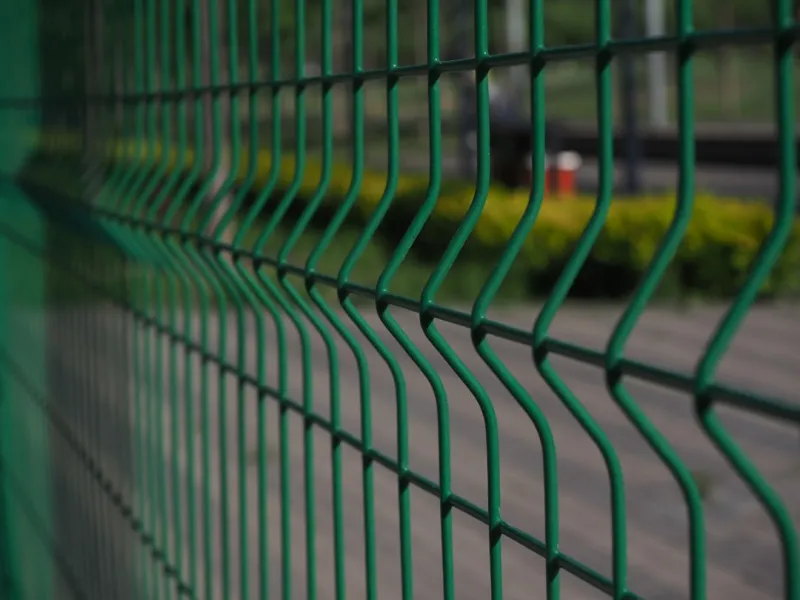
Sustainable Fencing: A Green Perspective from Veteran Contractor Paul Gray
Paul Gray shares his expert take on eco‑friendly fencing, covering green materials, smart design, ... Read More

The Evolution of Sustainable Fencing: A Comprehensive Guide to Eco-Friendly Outdoor Spaces
Sustainable fencing is a critical aspect of eco-friendly outdoor design. Learn about the evolution o... Read More

Smart Fencing: Turning Boundaries Into High‑Value Assets
Explore the rise of smart fencing—how IoT sensors, solar‑integrated panels, and self‑healing m... Read More
Top Posts

Transforming My Bathroom: A Sustainable Renovation Journey
A personal, eco‑focused bathroom makeover that blends radiant floor heating, smart water fixtures, and reclaimed materials for a stylish, energy‑saving sanc...Read More

The Hidden Playbook for Long‑Term Mold Prevention
A step‑by‑step guide reveals how moisture control, ventilation, smart material choices, and ongoing monitoring combine to stop mold before it spreads....Read More
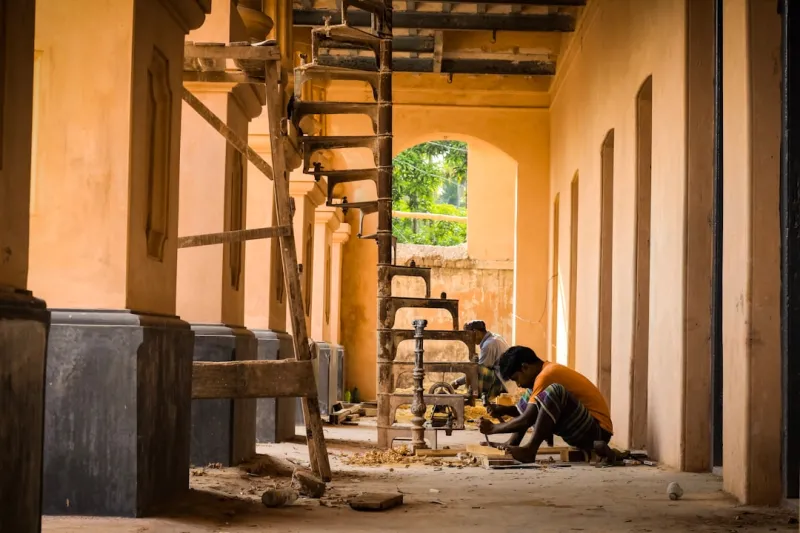
The Evolution of Plastering: How Sustainable Solutions Are Revolutionizing the Industry
The plastering industry is undergoing a significant transformation, driven by the growing demand for sustainable solutions. Learn how eco-friendly materials and...Read More

Layered Light: How to Light Your Home Smarter, Safer, and More Stylish
Learn how to create a three‑layer lighting system—ambient, task, and accent—that improves mood, saves energy, and integrates with smart home safety, using...Read More
0 Comments
Post Comment
You will need to Login or Register to comment on this post!