
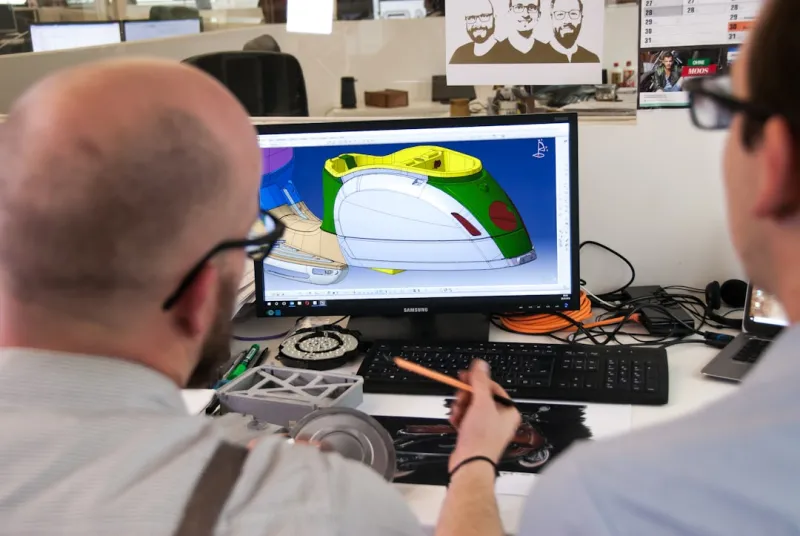
Embracing the Design‑Build Mindset
When I first stepped onto a construction site with a sketchbook in hand, I realized that design‑build isn’t just a project delivery method—it’s a philosophy that fuses creativity with pragmatism, allowing the architect’s vision and the contractor’s expertise to dance together in real time; this synergy means decisions about layout, material selection, and structural integrity are made collaboratively, cutting down on miscommunication and costly revisions, and it empowers me to shepherd a project from concept to completion while keeping an eye on budget, schedule, and, most importantly, the homeowner’s lifestyle aspirations. Design‑build also invites a level of accountability that traditional design‑bid‑build can’t match, because the same team that drafts the blueprints also rolls up its sleeves to see those plans become walls, roofs, and finished spaces, ensuring that the original intent isn’t lost in translation and that every detail—from the placement of a window to the finish of a countertop—reflects a unified vision.
Weaving Sustainability Into Every Blueprint
My design‑build projects have evolved from simply “green” checkboxes to holistic ecosystems where every choice—from insulation R‑values to the hue of a paint—contributes to a healthier planet and a healthier home, and I’ve found that the most rewarding moments come when a client discovers that an eco‑friendly decision, like opting for reclaimed timber flooring, not only reduces carbon footprints but also adds character that mass‑produced alternatives simply cannot replicate; this is why I always reference resources such as sustainable window treatments to illustrate how style meets eco‑efficiency, proving that aesthetics and sustainability are not mutually exclusive. By integrating low‑VOC finishes, high‑efficiency HVAC systems, and daylight‑optimizing layouts, we create spaces that breathe, save energy, and nurture the occupants, turning every square foot into a testament to responsible design.
From Concept to Concrete: The Collaborative Process
In practice, the design‑build workflow begins with a deep dive conversation where I sit with homeowners, listen to their stories, and translate those narratives into spatial solutions that honor both function and emotion, then I rally my multidisciplinary team—architects, engineers, interior designers, and skilled tradespeople—to iterate on those concepts in real time, leveraging 3‑D modeling tools that let us visualize structural loads, material textures, and lighting dynamics before a single nail is driven; this collaborative loop reduces rework dramatically, often slashing project timelines by 20‑30 percent while maintaining a laser focus on quality. The magic happens when the design team proposes a radiant floor heating system that dovetails with a sustainably sourced tile layout, and our contractors confirm that the installation method aligns with best practices, a conversation that would have been a series of back‑and‑forth emails in a fragmented delivery model.
Choosing Materials That Tell a Story
Materials are the vocabulary of design, and in my design‑build practice I treat each selection as a sentence that contributes to the overall narrative of the home; for instance, when I recommend sustainable tiling, I’m not just pointing to a product catalog, I’m guiding homeowners toward options that combine durability, low embodied energy, and visual appeal, such as recycled glass mosaics that capture light in unexpected ways while keeping landfill waste at bay. Beyond tiles, I champion reclaimed brick, bamboo cabinetry, and low‑impact concrete mixes, each chosen for its lifecycle performance and its ability to evoke a sense of place; the result is a home that feels both timeless and forward‑thinking, where every surface whispers a commitment to stewardship.
Integrating Smart, Sustainable Systems
Technology has become a silent partner in the design‑build journey, especially when it aligns with sustainability goals, and I love showing clients how a modern electrical strategy can simultaneously reduce energy consumption and enhance comfort; by wiring homes for smart thermostats, occupancy‑based lighting, and solar‑ready inverters, we create a foundation that adapts to the family’s rhythms and the planet’s needs, turning everyday actions into data‑driven opportunities for efficiency. The real power lies in seamless integration—when the lighting system communicates with blinds, the home naturally moderates temperature without a single manual adjustment, embodying the principle that the best technology is the one you barely notice.
Balancing Budget Without Compromise
One of the most common myths in sustainable design‑build is that eco‑friendly equals exorbitant cost, yet my experience proves that strategic planning and value engineering can deliver high performance on a modest budget; by sourcing locally manufactured components, we cut transportation emissions and labor costs, while bulk purchasing of insulation and high‑efficiency fixtures often unlocks volume discounts that ripple through the entire budget. I also encourage clients to view sustainability as an investment rather than an expense, highlighting how reduced utility bills, lower maintenance needs, and increased resale value compound over time, ultimately delivering a return on investment that far outweighs the upfront outlay.
Future‑Proofing the Home for Generations
Design‑build is not just about delivering a finished project; it’s about crafting a resilient framework that can evolve as technology, climate, and family needs change, and I embed flexibility into every plan, whether that means leaving conduit pathways for future solar upgrades, specifying modular wall systems that accommodate additional rooms, or selecting finishes that can be refreshed without invasive demolition; this forward‑thinking approach ensures that a home built today remains functional and relevant decades from now. Moreover, by documenting all decisions, material warranties, and maintenance schedules in a centralized digital hub, homeowners gain a living manual that empowers them to make informed upgrades, preserving the integrity of the original design while embracing innovation.
Celebrating Success: Stories From the Field
There’s a particular satisfaction that comes from walking through a completed home and seeing families thrive in spaces that reflect their values, and one recent project stands out: a coastal retreat where we combined reclaimed cedar siding, a solar array, and a rainwater harvesting system, all orchestrated through a design‑build process that allowed us to adjust the roof pitch mid‑construction to maximize solar exposure without compromising the aesthetic; the homeowners now report a 45% reduction in energy costs and a deeper connection to the surrounding landscape, proof that thoughtful integration of design and build can yield both measurable savings and intangible wellbeing. These stories reinforce my belief that when designers, builders, and owners collaborate from the outset, the result is not just a house, but a living, breathing testament to sustainable craftsmanship.

When it comes to the world of blogging and writing, Rose DesRochers is a name that stands out. Her passion for creating quality content and connecting with her audience has made her a trusted voice in the industry. Aside from her skills as a writer and blogger, Rose is also known for her compassionate nature.
Related Posts
Biophilic Design‑Build: Crafting Spaces That Breathe and Thrive
A deep dive into biophilic design‑build, showing how nature, smart sensors, and integrated teamwor... Read More
The Evolution of Sustainable Design Build: A Greener Future for Your Home
The concept of sustainable living has gained significant attention in recent years, and the design b... Read More

Seeing the Future: How Virtual Reality is Redefining Design‑Build Projects
Virtual reality is turning design‑build dreams into immersive experiences, slashing waste, speedin... Read More
Top Posts
Unlock Hidden Potential: Turn Unused Nooks into High‑Impact Home Zones
Learn how to audit, design, and revamp overlooked nooks in your home—turning hallways, closets, and attic corners into purposeful, high‑impact zones without...Read More

Why Variable Refrigerant Flow Is the Unsung Hero of Modern HVAC
Variable Refrigerant Flow (VRF) offers precise, zone‑level climate control while slashing energy use. This article explores VRF’s technology, integration wi...Read More
Modular Mastery: Reimagining Home Construction for Speed and Sustainability
Modular construction is redefining residential building by offering rapid timelines, lower waste, and customizable designs, all while seamlessly integrating adv...Read More

Cultivating Climate‑Smart Landscapes: Data, Design, and Delight
A strategic look at how modern businesses can turn their outdoor spaces into climate‑smart assets using native plants, smart irrigation, and predictive mainte...Read More
0 Comments
Post Comment
You will need to Login or Register to comment on this post!