
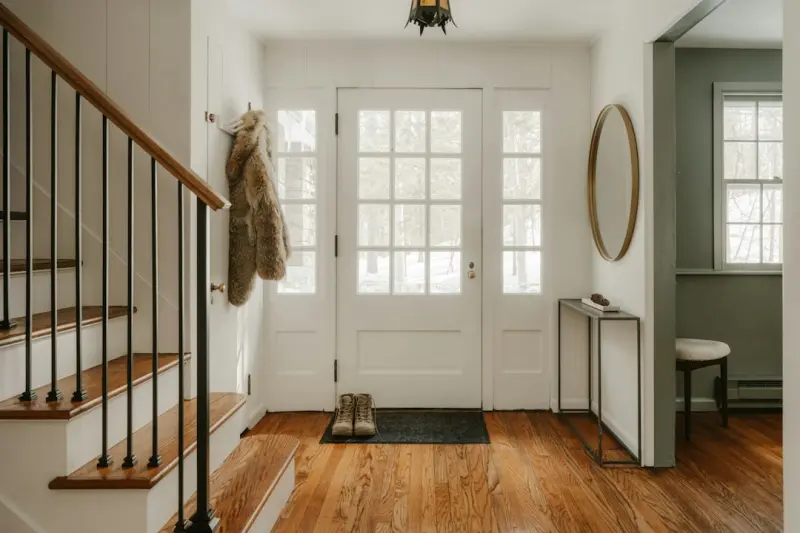
Walking through the front door should feel like a gentle sigh of relief after a long day. Yet most of us treat the entryway as an after‑thought, letting shoes, coats, and clutter dictate the vibe. I’ve spent years fine‑tuning my own spaces, and I’ve learned that a well‑designed entry isn’t just about curb appeal—it’s a quiet hub that sets the tone for the entire home. Below, I’m sharing a step‑by‑step playbook for turning that overlooked threshold into a purposeful, welcoming zone without breaking the bank.
1. Map the Flow Before You Move Anything
Before you buy a new coat rack or install a decorative rug, step back and observe how traffic moves in and out of your home. Is there a clear “in‑out” path, or do you find yourself weaving around furniture and stray items? Sketch a simple floor plan on a napkin or use a free phone app to plot the main door, side doors, and any adjacent rooms.
Understanding the natural flow helps you decide where to place storage, lighting, and visual anchors. A well‑mapped pathway reduces trips, prevents accidents, and subtly encourages guests to pause and enjoy the space.
2. Prioritize Smart Storage Solutions
Clutter is the enemy of a calm entry. Instead of stuffing everything into a generic closet, think vertically and modularly.
- Tiered Shoe Racks: Use a narrow, tall rack that fits between the door and wall. This keeps shoes visible and air‑circulated.
- Pull‑Out Baskets: Install shallow, pull‑out baskets beneath a bench or console. They’re perfect for everyday items like umbrellas, dog leashes, or reusable bags.
- Wall‑Mounted Hooks with Labels: Group hooks by family member or purpose (e.g., “Keys”, “Work Bag”). Adding a small chalkboard label turns it into a visual cue for everyone.
When you design storage with purpose, you eliminate the “dumping ground” syndrome that many households fall into.
3. Light It Up—Both Functionally and Atmospherically
Lighting does double duty in an entryway: it ensures safety and creates mood. A layered approach works best.
- Overhead Ambient Light: A dimmable LED ceiling fixture provides even illumination and lets you adjust brightness for evenings or mornings.
- Task Lighting: A sleek wall‑sconced lamp or a narrow pendant over a console makes it easy to locate keys or sort mail.
- Accent Light: Add a subtle LED strip behind a decorative mirror or under a floating shelf to add depth and a welcoming glow.
Pro tip: Choose warm‑white LEDs (2700–3000 K) for a cozy atmosphere, and pair them with smart bulbs so you can automate schedules or adjust color temperature from your phone.
4. Choose a Rug That Does More Than Look Good
Rugs are often treated as decorative afterthoughts, but they can protect floors, dampen noise, and define zones. When selecting a rug for your entryway, consider the following:
- Material: Natural fibers like sisal or jute handle high‑traffic wear while staying easy to clean.
- Size: A rug that stretches from wall to wall (or at least spans the width of your door) creates a seamless runway.
- Pattern: Choose a pattern that hides dirt and minor stains—think subtle geometric or tonal designs.
Don’t forget a non‑slip pad underneath to keep the rug secure and protect your flooring.
5. Add a Personal Touch Without Overcrowding
Your entryway is the first impression of your style, so sprinkle in elements that speak to you.
- Art or Mirrors: A medium‑sized mirror not only enlarges the space but also reflects natural light. If you prefer art, select a piece that aligns with the home’s color palette.
- Greenery: A low‑maintenance plant—like a snake plant or pothos—in a decorative pot brings life and improves indoor air quality.
- Scent: Place a subtle diffuser or a small jar of dried lavender on a console to greet occupants with a calming aroma.
The key is to keep these accents intentional; one or two well‑chosen items are far more impactful than a cluttered shelf of knick‑knacks.
6. Make the Door a Destination, Not a Barrier
Exterior doors can feel imposing. Softening them with thoughtful upgrades makes entry feel more inviting.
- Smart Lock: Install a keyless lock that syncs with your phone. It eliminates the scramble for keys and adds a layer of security.
- Weatherstripping: A quick seal improves energy efficiency and reduces drafts—a small win for comfort and utility bills.
- Door Mat: Choose a high‑absorbency mat that traps dirt and moisture. Pair it with a decorative runner for a polished look.
7. Incorporate a Mini “Command Center” for Daily Essentials
Many families lose hours each week hunting for misplaced items. A small command center—think a wall‑mounted organizer with slots for mail, a charging dock, and a basket for daily to‑do lists—can reclaim that time.
Here’s a quick setup:
- Mount a shallow wooden board at eye level.
- Attach a magnetic strip for metal keys and a cork section for sticky notes.
- Install a USB charging hub to keep phones and tablets powered without a tangled mess.
This centralized hub streamlines morning routines and keeps the rest of the home from becoming a catch‑all for miscellaneous items.
8. Keep the Space Clean, Dry, and Safe
Even the most stylish entryway fails when it becomes a hazard. Regular maintenance is essential. If you’re looking for a concise guide on routine upkeep, the preventive maintenance guide offers practical tips that can be applied to your entryway, from checking door hinges to cleaning light fixtures.
Schedule a quick 10‑minute sweep each evening: wipe down the mat, straighten shoes, and ensure the rug is flat. This habit prevents dirt from migrating deeper into the house and extends the life of floor coverings.
9. Future‑Proof With Flexibility in Mind
Life changes—new family members, work‑from‑home setups, or a growing pet collection. Design your entryway with adaptability:
- Modular Furniture: Opt for a bench with removable cushions or a console that can double as a desk.
- Adjustable Shelving: Use pegboard systems that let you re‑configure hooks and baskets as needs evolve.
- Expandable Storage: Choose a coat rack that can add extra branches later, accommodating more jackets or bags.
Planning for flexibility now saves you from costly remodels later, a point reinforced in the ultimate renovation checklist for a healthy, future‑proof home.
10. Test, Tweak, and Celebrate
After implementing these changes, walk through your entryway a few times a day. Notice any friction points—perhaps a hook is too low for a child’s reach, or the rug feels too slippery. Small adjustments can make a huge difference.
When the space finally feels right, celebrate with a simple ritual: a cup of coffee at the new bench, a quick glance at the fresh art, and a moment to breathe in the scent of your chosen diffuser. That pause, however brief, reinforces the entryway’s role as a calm gateway rather than a chaotic crossroads.
Bonus: Seasonal Swaps for Year‑Round Appeal
Changing a few details each season keeps the space feeling fresh without a full overhaul.
- Spring: Add a bright, pastel runner and swap out floral arrangements for fresh-cut greenery.
- Summer: Incorporate a lightweight, woven mat and a small tray of citrus fruits for a sunny vibe.
- Fall: Introduce a warm, textured rug and a small pumpkin or gourds for a cozy feel.
- Winter: Place a plush, insulated mat and a scented candle with vanilla or pine notes.
These small, low‑cost updates keep the entryway aligned with the season’s mood, enhancing both aesthetics and emotional comfort.
By treating your entryway as a purposeful, adaptable zone, you’ll not only boost your home’s visual appeal but also improve daily efficiency and safety. The transformation is less about expensive remodels and more about thoughtful, intentional tweaks that respect both form and function. Give your front door the attention it deserves, and watch how a simple upgrade reverberates through the rest of your living space.

Tom Ferguson is a Canadian freelance writer with a passion for storytelling, current events, and thoughtful commentary. Drawing on years of writing experience, he shares engaging insights on a wide range of topics, bringing a uniquely Canadian perspective to his work.
Related Posts
Smart Home Hacks: Simple Tips for a Greener Household
Explore easy, smart upgrades—from lighting and insulation to sustainable decks—that transform an... Read More

Smart Home Hacks: Everyday Tweaks That Transform Comfort and Efficiency
Learn how simple, low‑cost adjustments in lighting, storage, and ventilation can dramatically impr... Read More

Zone‑Crafting at Home: Light, Sound, and Layout Hacks for a More Functional Space
Learn how to transform everyday rooms into purposeful zones with simple lighting, sound, and furnitu... Read More
Top Posts

Concrete as a Creative Canvas: DIY Artistic Projects for Modern Homes
Explore innovative ways to use concrete as a creative, eco‑friendly material—mix, color, texture, and finish projects that blend durability with stunning de...Read More

Beyond the Spot: A Scientific Approach to Mold Removal
A data‑centric workflow transforms mold removal from a reactive clean‑up into a proactive, health‑focused strategy, using low‑cost sensors, smart materi...Read More

Eco‑Friendly Drywall: Sustainable Materials, Healthier Homes
Explore sustainable drywall choices, eco‑friendly installation methods, and future bio‑based trends that create healthier, low‑impact living spaces....Read More

Embracing Sustainable Home Additions: A Guide to Eco-Friendly Expansion
Learn how to create a sustainable home addition that benefits both you and the environment. Get expert insights on eco-friendly design, energy efficiency, and s...Read More
0 Comments
Post Comment
You will need to Login or Register to comment on this post!