
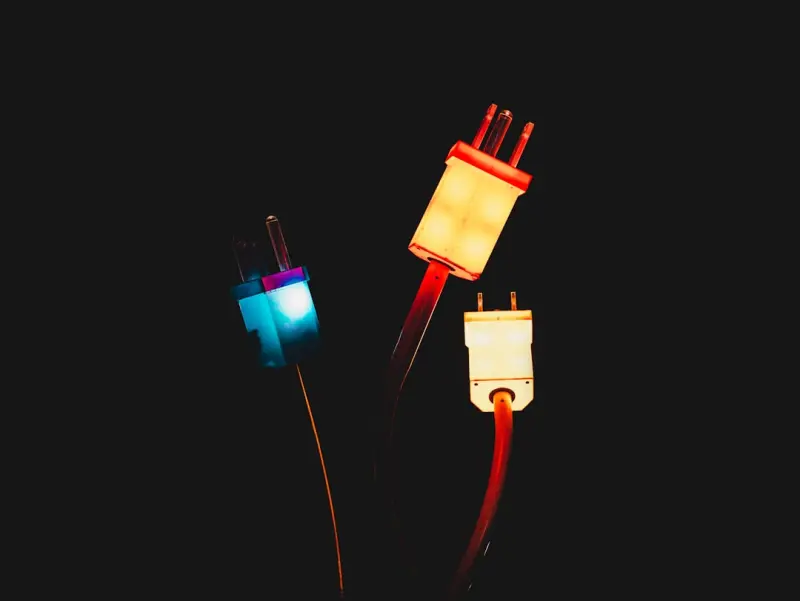
Unplugged Power: Simple Hacks to Stop Energy Vampires at Home
When the lights go out, most of us blame the utility company. In reality, the real culprits are the quiet, invisible leeches that sit in every outlet, drawing power even when you’re not using them. I’ve spent years chasing down these “energy vampires” in my own house, and the revelations have been startlingly simple. By reshaping a few everyday habits and deploying a handful of low‑cost tools, you can slash your electricity bill, reduce your carbon footprint, and finally feel in control of the energy flowing through your walls.
Why the Silent Drain Happens
Most modern appliances—televisions, chargers, coffee makers, even that smart speaker you love—use a tiny amount of power the moment they’re plugged in. This standby consumption, often measured in watts, adds up. A single device may only draw 0.5 watts, but a typical household can host dozens of such devices, resulting in an annual waste of hundreds of kilowatt‑hours.
What makes the problem especially sneaky is the perception that “it’s just a little”. That “little” becomes a big expense when multiplied across months and years. The good news? You don’t need to rip out your devices or live in the stone age. The solution lives in three practical realms:
- Plug management: Using smart plugs and power strips to control the flow.
- Behavioral nudges: Small daily actions that become second nature.
- Audit and awareness: Knowing exactly where the leaks are.
1. Master the Art of the Power Strip
Think of a power strip as a traffic light for electricity. When you flip the switch, you cut power to everything plugged into it—no more phantom draw. Here’s how to make it work for you:
- Group similar devices. Keep entertainment gear (TV, game consoles, streaming dongles) on one strip, office tech (computer, printer, charger) on another, and kitchen appliances (coffee maker, toaster) on a third.
- Label each strip. A simple “Living Room” or “Home Office” sticker saves you from hunting down the right switch in the dark.
- Invest in a smart strip. Some models provide energy‑monitoring apps, showing real‑time consumption per outlet. This data can be eye‑opening and motivates you to unplug more aggressively.
Pro tip: Keep a future‑ready kitchen surface on the same strip as your coffee maker. When you power down the strip after morning brew, you also silence the smart coffee grinder’s idle draw.
2. Adopt Micro‑Behavior Shifts
Big changes are great, but the most sustainable savings come from tiny, repeatable actions. Here are five habits that take less than a minute to adopt:
- Unplug chargers when not in use. A phone charger at 0 % charge still sips power. Keep a small basket near the outlet and toss the charger in when you’re done.
- Use a timer for seasonal gadgets. Outdoor holiday lights, patio heaters, and even dehumidifiers can be set on a timer to run only when needed.
- Switch to a manual coffee grinder. The electric version may be convenient, but a manual grinder eliminates standby consumption altogether.
- Consolidate devices. A modern TV often includes built‑in streaming, reducing the need for a separate set‑top box that draws power continuously.
- Practice the “one‑plug rule”. For any device that stays plugged in for weeks, consider a dedicated, in‑wall switch that you can turn off with a single flick.
3. Conduct a DIY Energy Audit
Before you can eliminate leaks, you need to locate them. A quick audit takes about an hour and a modest budget.
- Gather tools. You’ll need a basic plug‑load meter (available at most hardware stores) and a notebook or a note‑taking app.
- Map your rooms. Sketch a simple floor plan and list every outlet and device per room.
- Measure standby draw. Plug the meter into an outlet, then plug each device into the meter one at a time. Record the watts shown when the device is idle.
- Prioritize. Devices that exceed 2 watts in standby are prime candidates for unplugging or smarter control.
- Take action. Implement power strips, timers, or replacement strategies for the top culprits.
After the audit, you’ll likely discover that the “always‑on” Wi‑Fi extender in the hallway or the “smart” thermostat’s wall‑mounted hub is a bigger drain than your gaming console. Knowledge is the first step toward empowerment.
4. Upgrade to Low‑Power Alternatives
Sometimes the most efficient fix is swapping out an old device for a newer, energy‑efficient model. Look for the ENERGY STAR label, which guarantees a certain percentage of power savings over standard models. Here are three common swap‑outs that pay for themselves quickly:
- LED bulbs. They use 80 % less energy than incandescent and last up to 25 times longer.
- Modern power adapters. Many older phone chargers waste power; a 20‑watt USB‑C charger can charge faster while drawing less idle power.
- Smart thermostats with occupancy sensors. They automatically lower heating or cooling when rooms are empty, cutting waste without sacrificing comfort.
5. Leverage Seasonal Strategies
Energy consumption spikes in winter and summer. By planning ahead, you can keep those peaks in check:
- Winter prep: Seal drafts around windows and doors, then lower your thermostat by 1–2 °C. Use programmable thermostats to turn heating off during work hours.
- Summer prep: Install reflective window film or low‑E blinds to reduce heat gain, then raise your AC thermostat by a degree.
- Holiday lighting: Choose LED strings and run them on a timer. Store them properly after the season to avoid accidental plug‑in.
Seasonal adjustments complement the micro‑behaviors discussed earlier, creating a holistic approach to energy stewardship.
6. Integrate Home‑Automation Wisely
Automation can be a double‑edged sword. While smart plugs and voice assistants add convenience, they can also introduce new standby loads. To keep automation on the side of efficiency:
- Choose devices with low‑power standby modes. Many modern smart plugs consume less than 0.5 watts when idle.
- Consolidate functions. A single smart hub that controls lights, locks, and sensors reduces the number of always‑on devices.
- Schedule “away” routines. When you leave home, trigger a routine that powers down non‑essential outlets, adjusts thermostats, and arms security systems.
When done thoughtfully, automation becomes an ally rather than a hidden energy sink.
7. Make the Most of Natural Light
Daylighting isn’t just a design trend; it’s a practical method to curb artificial lighting usage. Position workspaces near windows, use light‑reflecting paints, and keep interior curtains open during daylight hours. The result? Lower lighting loads and a more uplifting atmosphere.
8. Educate Your Household
All the technology in the world won’t matter if everyone forgets to turn off devices. Host a quick “energy awareness” session with your family:
- Show the results of your DIY audit.
- Explain the concept of “phantom load”.
- Assign simple responsibilities (e.g., “Jane handles the living‑room strip”).
When each member understands the impact of their actions, compliance becomes natural.
9. Take a Step Back: The Big Picture
Energy efficiency isn’t just about the next bill; it’s about contributing to a resilient grid and a healthier planet. By eliminating hidden drains, you free up capacity for renewable energy integration and reduce demand spikes that strain infrastructure. Every watt saved is a win for you, your neighbors, and future generations.
Final Checklist
Use this quick reference the next time you’re walking through your home:
- ✅ Install labeled power strips in each major room.
- ✅ Conduct a 30‑minute standby audit with a plug‑load meter.
- ✅ Replace high‑draw devices with ENERGY STAR alternatives.
- ✅ Set timers for seasonal and holiday appliances.
- ✅ Schedule a family “energy minute” each month.
Implementing even half of these actions can shave 5‑15 % off your annual electricity usage. The savings add up, and the satisfaction of mastering your home’s power flow is priceless.
Ready to start? Grab a power strip, pull out that old meter, and let the unplugging begin. Your wallet—and the planet—will thank you.

Paul Gray is a dynamic blogger based in Brampton, where he shares his life with his amazing wife, Sarah. Known for his engaging writing style and relatable insights, Paul has carved out a niche in the blogging world that resonates with readers from all walks of life. When he's not crafting captivating posts, you can find him savoring a cold beer or indulging in the latest blockbuster movie. With a friendly demeanor and a passion for storytelling, Paul brings a unique perspective to his work, making him not just a blogger, but a voice for those who appreciate the simple joys of life.
Related Posts
Layered Light: How to Light Your Home Smarter, Safer, and More Stylish
Learn how to create a three‑layer lighting system—ambient, task, and accent—that improves mood... Read More
Build a Home Command Center to Declutter Your Life
Discover how a well‑designed home command center can transform chaos into order, offering practica... Read More
Transform Your Home Into a Productivity Powerhouse with Simple, Low‑Cost Tweaks
Learn how to turn everyday spaces into productivity‑boosting zones with affordable layout tweaks, ... Read More
Top Posts
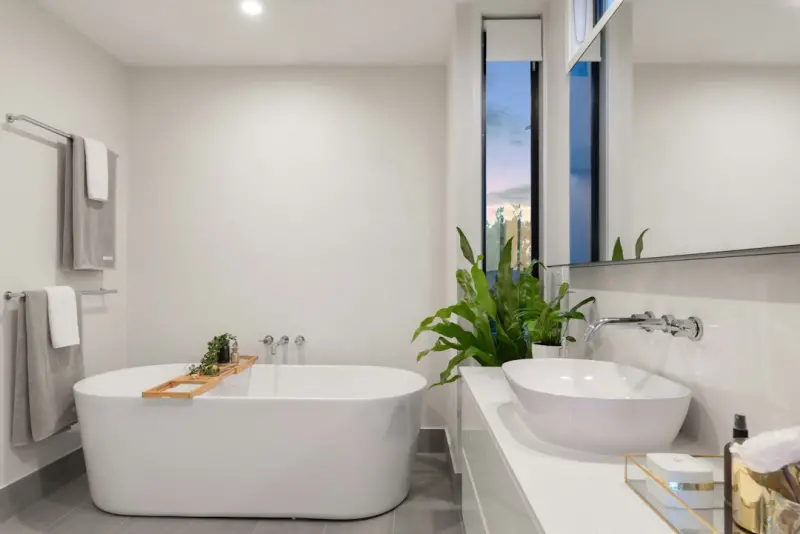
Transforming Bathrooms into Personal Wellness Sanctuaries
Explore a fresh, wellness‑centric approach to bathroom remodels, integrating smart water-saving fixtures, spa‑style features, mood lighting, and universal d...Read More

From Dust to Data: Making Carpet Cleaning a Strategic Asset
Clean carpets do more than look good—they act as a hidden health filter, reduce energy use, and can generate measurable ROI when integrated with sensor data, ...Read More
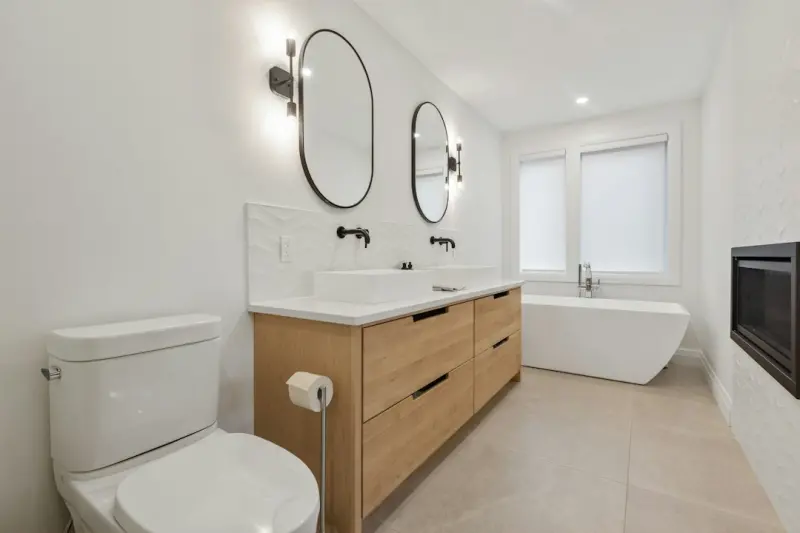
Zero‑Waste Bathroom Renovations: A Practical Guide to Circular Design
Discover a step‑by‑step, zero‑waste approach to bathroom remodels that balances luxury, functionality, and environmental responsibility, using reclaimed m...Read More
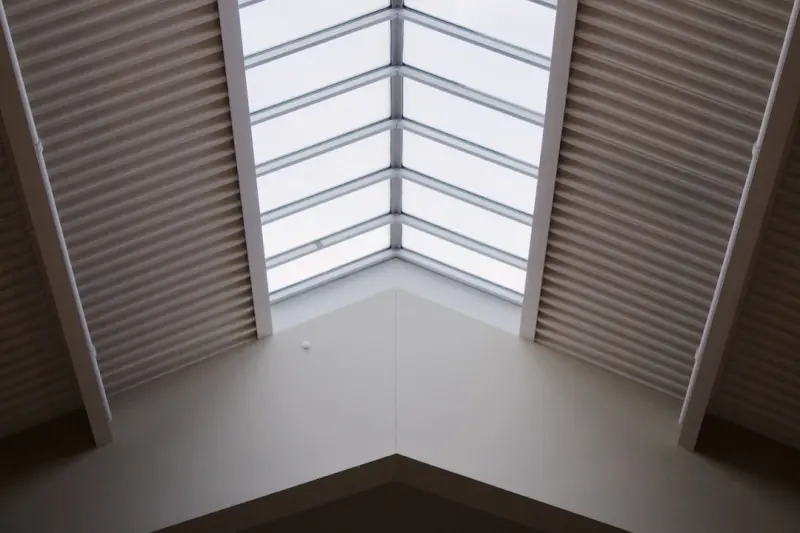
Designing Window Treatments That Shape Light, Mood, and Comfort
Explore the art of layering, fabric selection, color psychology, and hardware choices to create window treatments that control light, boost acoustics, and perso...Read More
0 Comments
Post Comment
You will need to Login or Register to comment on this post!