
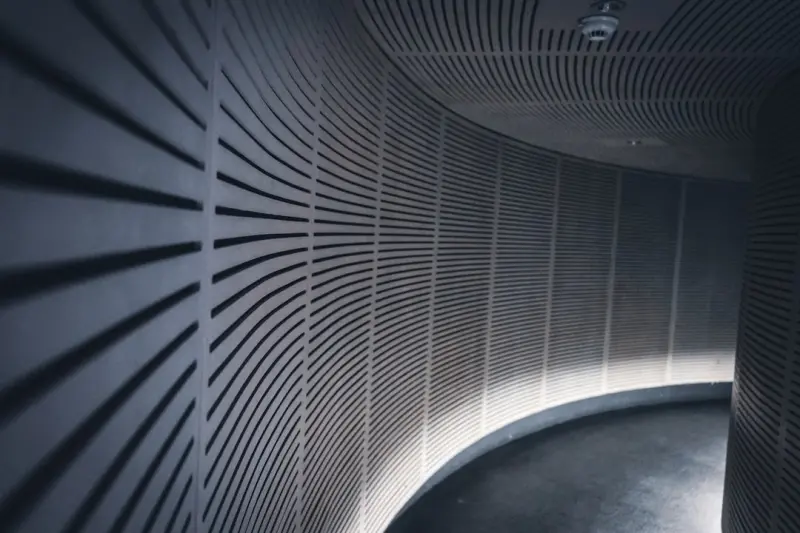
Silent Walls: The Rise of Acoustic Wallpaper in Modern Interiors
When I first walked into a bustling co‑working space in downtown Shanghai, the hum of conversation, clacking keyboards, and the occasional drone of air‑conditioning created an almost palpable soundscape. I found myself instinctively reaching for a pair of noise‑cancelling headphones, yet the solution felt temporary. What if the very walls around us could absorb that noise, turning a chaotic environment into a calm, focused haven? This question sparked my deep dive into acoustic wallpaper—a subtle, design‑forward technology that marries aesthetics with sound performance.
Why Acoustic Wallpaper Matters More Than Ever
Traditional approaches to noise control in offices and commercial spaces often rely on bulky acoustic panels, ceiling tiles, or heavy curtains. While effective, these solutions can clash with contemporary design language, especially when brands aim for sleek, minimalist interiors. Acoustic wallpaper, on the other hand, offers a thin, lightweight alternative that can be applied directly to existing wall surfaces, preserving the visual integrity of a space while delivering measurable sound attenuation.
Beyond the obvious comfort benefits, reducing ambient noise has proven productivity gains. Studies from occupational health researchers show that a 3‑decibel reduction in background chatter can improve concentration by up to 15 %. For organizations that measure employee output in real time, the ROI on a silent wall can be surprisingly high.
How It Works: The Science Behind the Silence
At its core, acoustic wallpaper employs a multilayer construction:
- Decorative Fabric Layer: This is the visible surface, available in a spectrum of patterns, textures, and colors. It’s printed using eco‑friendly inks, allowing designers to stay on‑trend without compromising sustainability.
- Acoustic Foam Core: A thin (< 5 mm) polyurethane or melamine foam panel sits beneath the fabric. Its open‑cell structure traps sound waves, converting them into minute amounts of heat—a process known as visco‑elastic damping.
- Adhesive Backing: Modern formulations are low‑VOCs, ensuring indoor air quality remains high during installation.
The combination yields a Sound Transmission Class (STC) rating of 25–30, sufficient to dampen typical office chatter and HVAC noise without the need for massive wall assemblies. For spaces demanding higher performance—like recording studios or conference rooms—multiple layers can be stacked, nudging STC scores into the 35+ range.
Design Freedom Without Compromise
One of the most compelling aspects of acoustic wallpaper is its design flexibility. Because the fabric layer is independent of the acoustic core, designers can experiment with bold prints, subtle textures, or even custom photography. The result is a wall that not only silences but also tells a story.
For example, a tech startup may opt for a geometric pattern that echoes their brand’s algorithmic ethos, while a boutique law firm might choose a muted herringbone that conveys professionalism. The acoustic performance remains consistent across these visual choices, allowing form and function to coexist harmoniously.
Installation: A Handyman’s Dream
From a contractor’s perspective, acoustic wallpaper is a game‑changer. Traditional acoustic panels often require specialized mounting hardware and can be time‑consuming to align. In contrast, acoustic wallpaper adheres directly to the wall surface, similar to standard wallcoverings. This means:
- Reduced labor hours—installers can cover a 10 × 12 ft wall in under two hours.
- Lower material waste—off‑cuts are minimal and can be repurposed for smaller areas.
- Easy maintenance—spot cleaning with a damp cloth restores the fabric’s appearance without affecting acoustic performance.
For handymen looking to expand their service portfolio, mastering acoustic wallpaper installation offers a high‑margin, low‑competition niche. The Sustainable Material Playbook for Modern Handymen outlines how integrating such green products can differentiate a business in a crowded market.
Environmental Impact: A Sustainable Choice
Eco‑consciousness is no longer a buzzword; it’s a baseline expectation for many clients. Acoustic wallpaper aligns with circular economy principles in several ways:
- Reduced Material Footprint: Compared to heavyweight acoustic panels, the thin foam core uses less raw material per square foot.
- Recyclable Components: Many manufacturers design the foam and fabric layers to be separable at end‑of‑life, allowing each to be recycled or up‑cycled.
- Low‑VOC Adhesives: Modern adhesives emit fewer volatile organic compounds, contributing to healthier indoor air quality.
When paired with broader sustainability strategies—such as designing for disassembly—acoustic wallpaper can become a key element of a building’s environmental performance. The Designing Homes for Disassembly: A Circular Construction Blueprint discusses how these modular finishes simplify future renovations or material recovery.
Smart Integration: From Passive to Active Walls
The next frontier for wallpaper lies in embedding digital capabilities directly into the surface. Imagine a wall that not only absorbs sound but also senses ambient noise levels, adjusting its acoustic properties in real time. Emerging technologies are already prototyping:
- Variable‑Density Foam: Using electro‑active polymers, the foam’s cell structure can be altered on demand, shifting STC ratings dynamically.
- Embedded Sensors: Tiny MEMS microphones can feed data into building management systems, offering real‑time acoustic analytics.
- LED Backlighting: Integrated lighting can change color temperature based on time of day, enhancing circadian rhythm support while maintaining acoustic performance.
These smart walls bridge the gap between aesthetics, acoustics, and the Internet of Things, positioning wallpaper as a multi‑functional platform rather than a static finish.
Case Study: A Boutique Creative Agency’s Transformation
To illustrate the tangible impact, let’s examine a recent project with a boutique creative agency in Guangzhou. The client occupied an open‑plan floor of 3,000 sq ft, plagued by echoing discussions and a constant HVAC hum. Their brief called for a modern look without compromising acoustic comfort.
Solution:
- Installed a muted charcoal acoustic wallpaper across the primary collaborative zone, achieving an STC of 28.
- Added a bold, color‑blocked version in the reception area to reinforce brand identity.
- Integrated a network of noise‑level sensors that relayed data to the facility manager’s dashboard, enabling proactive HVAC adjustments.
Results after three months:
- Average ambient noise dropped from 58 dB to 50 dB.
- Employee satisfaction surveys reported a 22 % increase in perceived acoustic comfort.
- Client noted a 10 % uptick in project turnaround speed, attributing it to fewer interruptions.
This case underscores how acoustic wallpaper can be a strategic asset, delivering both aesthetic refinement and measurable performance gains.
Choosing the Right Product: Key Considerations
When selecting acoustic wallpaper, keep these factors top of mind:
- STC Rating vs. Application: For open offices, aim for 25‑30. For conference rooms, consider multilayer configurations.
- Fire Rating: Verify compliance with local fire safety codes (e.g., Class A or B ratings).
- Fabric Durability: High‑traffic areas benefit from abrasion‑resistant textiles.
- Environmental Certifications: Look for GREENGUARD, FSC, or Cradle‑to‑Cradle certifications.
- Installation Method: Some products use a paste‑the‑wall approach, while others employ a peel‑and‑stick backing. Choose based on wall condition and installer skill set.
Future Outlook: Wallpaper as a Core Building Component
The evolution of wallpaper from decorative filler to performance‑driven system mirrors broader shifts in the construction industry. As buildings become smarter and more sustainable, every surface is being reconsidered for its latent potential. Acoustic wallpaper sits at this intersection, offering a low‑profile solution that can be retrofitted into existing structures or integrated from the ground up in new builds.
Looking ahead, we can anticipate three trends:
- Hybrid Acoustic‑Thermal Panels: Combining insulation and sound absorption to simplify wall assemblies.
- Biophilic Textiles: Fabrics infused with natural fibers and patterns that enhance occupant wellbeing while maintaining acoustic performance.
- Data‑Driven Design: Leveraging AI to predict optimal wallpaper placement based on floor plans, occupancy patterns, and acoustic modeling.
These developments will reinforce wallpaper’s role not merely as a finishing touch but as a strategic layer in the building envelope.
Getting Started: A Practical Roadmap for Facility Managers
If you’re a facilities leader considering acoustic wallpaper, follow this three‑step roadmap:
- Audit Your Space: Conduct a baseline acoustic measurement using a handheld SPL meter. Identify hot spots where noise exceeds 55 dB.
- Prototype a Pilot Zone: Select a representative area—perhaps a meeting room or a collaborative hub—and install a sample of acoustic wallpaper. Monitor noise reduction and occupant feedback over a four‑week period.
- Scale with Data: Use the pilot data to model ROI, factoring in productivity gains, reduced absenteeism, and potential energy savings from optimized HVAC operation.
By treating acoustic wallpaper as a data‑driven improvement, you align with modern ESG reporting standards and demonstrate a commitment to employee wellbeing.
Conclusion: The Quiet Revolution Is Under Your Feet—and Walls
Acoustic wallpaper is more than a pretty pattern; it’s a functional, sustainable, and increasingly intelligent building material that addresses one of the most pervasive challenges in modern work environments: noise. As we continue to blur the lines between design, technology, and sustainability, the wall itself becomes a platform for innovation. Whether you’re a handyman looking to expand your service catalog, a facilities manager aiming for measurable productivity gains, or a designer seeking the perfect balance of form and function, silent walls offer a compelling solution that deserves a place in every forward‑thinking project.

Lifan Chen is a freelancer based in Toronto specializing in marketing. With expertise in crafting effective marketing strategies and campaigns, Lifan helps businesses grow their brand presence and reach target audiences. As a Toronto-based freelancer, Lifan combines local market insights with creative marketing skills to deliver tailored solutions for clients.
Related Posts
Beyond Paint: How Modern Wallpaper Elevates Home Functionality
Explore the rise of functional wallpaper—sound‑absorbing, sustainable, and tech‑ready solution... Read More

Data‑Driven Wallpaper: Turning Walls into Insight Engines
Wallpaper is evolving from decorative finish to a data‑rich platform that supports brand analytics... Read More
Wallpaper as a Strategic Asset: Boosting Mood and Productivity in Modern Workspaces
A deep dive into how purposeful wallpaper selection can transform office environments, improve moral... Read More
Top Posts

The Intersection of Woodworking and Sustainable Living
Woodworking and sustainable living are closely intertwined. By choosing sustainable materials, minimizing waste, and designing with sustainability in mind, wood...Read More
Predictive Electrical Maintenance: How AI Is Quietly Transforming Facility Operations
Learn how AI-powered predictive electrical maintenance turns sensor data into actionable insights, reducing outages, cutting energy bills, and extending equipme...Read More
Strategic Foundation Repair for Long-Term Asset Value
A data‑driven, sustainable approach to foundation repair transforms a hidden liability into a strategic asset, cutting costs, enhancing resilience, and boosti...Read More
Handyman Hacks for a Productive Home Office
Learn how simple handyman skills—like building a custom desk, installing dedicated circuits, and creating DIY soundproofing—can transform any space into a p...Read More
0 Comments
Post Comment
You will need to Login or Register to comment on this post!