
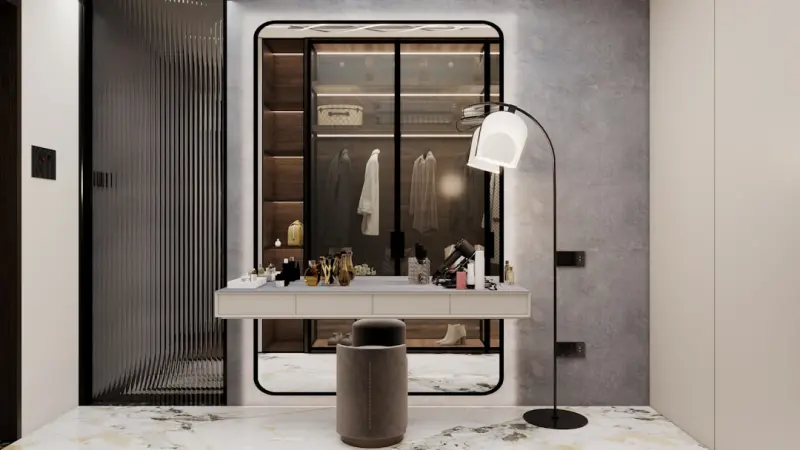
Why Your Closet Deserves a Strategic Overhaul
Living in a world where every square foot counts, the closet quickly becomes the silent battlefield of daily routine. Too often we let clothing pile up like a static museum exhibit, resulting in frustration each morning and wasted time that could be spent on more meaningful pursuits. By treating the closet as a living system rather than a static storage box, you can unlock efficiency, peace of mind, and a renewed love for your wardrobe while simultaneously boosting your home’s overall aesthetic.
The Power of Modular Closet Systems
Modular components are the LEGO bricks of interior design, allowing you to reconfigure shelves, rods, and drawers on the fly as your needs evolve. Unlike built‑in closets that lock you into a single layout, a modular system can expand to accommodate a new shoe collection or contract when you downsize your wardrobe. The flexibility also means you can experiment with different configurations without the cost and hassle of a full remodel, giving you a dynamic storage solution that grows with you.
Vertical Real Estate: Going Floor‑to‑Ceiling
When floor space is at a premium, the ceiling becomes a priceless ally. Installing floor‑to‑ceiling rails, high shelves, and hanging rods up to the crown molding creates layers of storage that keep items accessible yet out of the way. Pair these vertical elements with strategically placed pull‑down ladders or rolling carts, and you’ll find a surprising amount of room for everything from winter coats to seasonal décor.
Smart Technology Meets Closet Organization
Integrating technology into your closet can turn a simple storage space into a sleek, interactive hub. LED strip lighting that activates with motion sensors not only showcases your garments but also reduces the need for a flashlight during late‑night outfit hunts. Pair the lighting with a Bluetooth‑enabled inventory app that logs each piece as you add or remove it, giving you a real‑time snapshot of what you own and what you might need to donate.
Seasonal Rotation and Capsule Wardrobe Strategies
One of the simplest ways to maximize space is to adopt a capsule wardrobe mindset, keeping only a curated selection of versatile pieces on hand while storing the rest. Transparent, stackable bins labeled by season let you rotate clothing efficiently, freeing up prime hanging space for daily wear. The visual clarity of clear containers also reduces decision fatigue, making it easier to spot forgotten items before they become lost relics.
Multi‑Functional Furniture: Benches, Hampers, and More
Combining seating with storage turns idle space into a productive asset. A built‑in bench with hidden drawers offers a place to sit while you lace shoes and a discreet spot for accessories or spare linens. Likewise, a pull‑out laundry hamper tucked beneath a shelf keeps dirty clothes out of sight, maintaining a tidy aesthetic without sacrificing functionality.
Eco‑Friendly Materials for a Sustainable Closet
Choosing reclaimed wood, bamboo, or recycled metal for your closet components reduces environmental impact while adding character to the space. These materials are not only durable but also lend a warm, natural texture that contrasts beautifully with modern hardware. By opting for sustainable options, you align your storage solution with broader eco‑conscious goals, turning your closet into a statement of responsible living.
Budget‑Friendly DIY Upgrades You Can Tackle Today
Even a modest investment can dramatically improve closet performance. Adding a set of adhesive hooks for accessories, installing a slim tension rod for scarves, or applying a fresh coat of paint to shelving can revitalize the space without breaking the bank. For those looking to upgrade flooring, consider the insights from Quiet Revolution: Flooring That Boosts Home Audio, which highlights low‑profile, sound‑absorbing options that pair perfectly with a walk‑in closet environment.
Future‑Proofing Your Closet for Changing Lifestyles
Designing with adaptability in mind ensures your closet remains useful as trends and personal needs shift. Opt for adjustable shelf brackets, removable dividers, and interchangeable hardware that can be re‑purposed as your wardrobe evolves. By building in this flexibility now, you avoid costly overhauls later and keep your storage system as dynamic as the life you lead.

Paul Gray is a dynamic blogger based in Brampton, where he shares his life with his amazing wife, Sarah. Known for his engaging writing style and relatable insights, Paul has carved out a niche in the blogging world that resonates with readers from all walks of life. When he's not crafting captivating posts, you can find him savoring a cold beer or indulging in the latest blockbuster movie. With a friendly demeanor and a passion for storytelling, Paul brings a unique perspective to his work, making him not just a blogger, but a voice for those who appreciate the simple joys of life.
Related Posts

Reimagining the Closet: Smart, Sustainable Solutions for Modern Living
Explore innovative closet strategies that blend modular systems, smart tech, and sustainable materia... Read More
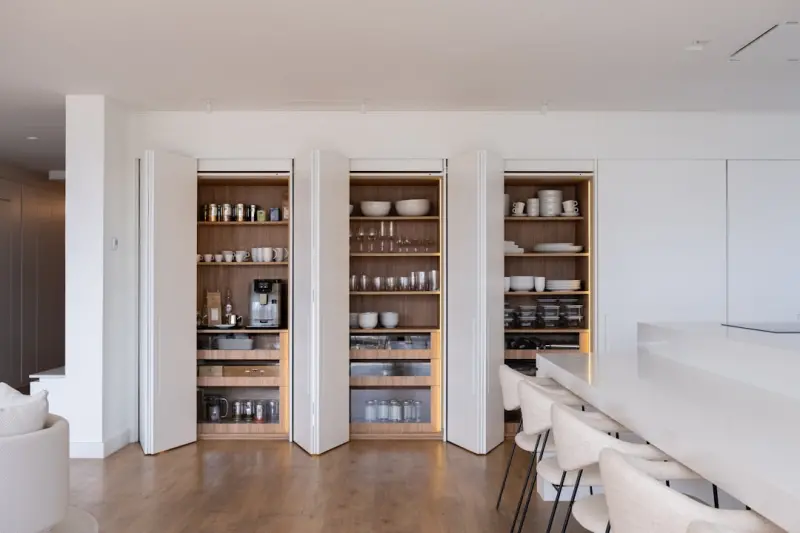
Intelligent Closet Systems: Turning Storage Into a Strategic Asset
A deep dive into turning everyday closets into data‑rich hubs, this post shows how sensor‑enable... Read More
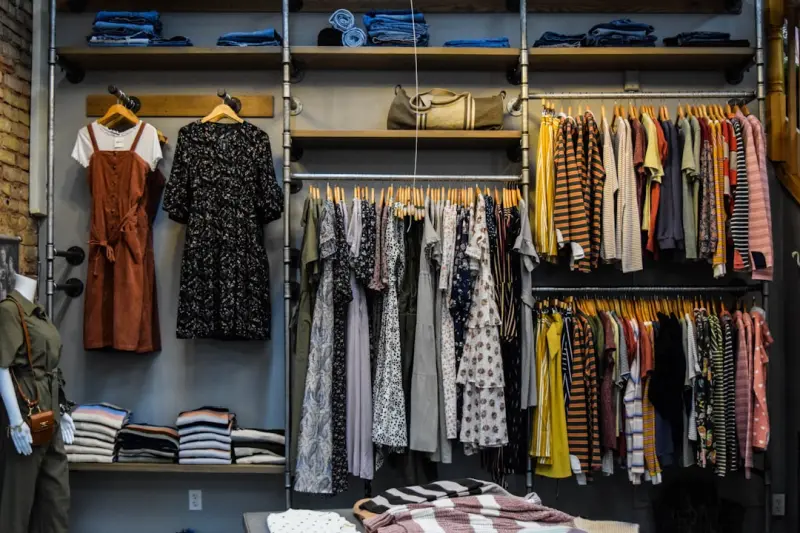
Transforming Closet & Storage into Data‑Driven Strategic Assets
Learn how to upgrade ordinary storage spaces with low‑cost sensors, AI optimization, and modular d... Read More
Top Posts

Choosing the Perfect Countertop for a Sustainable, Smart Kitchen
Explore the best sustainable countertop materials, from quartz to reclaimed wood, and learn how smart features and smart maintenance can extend their life while...Read More
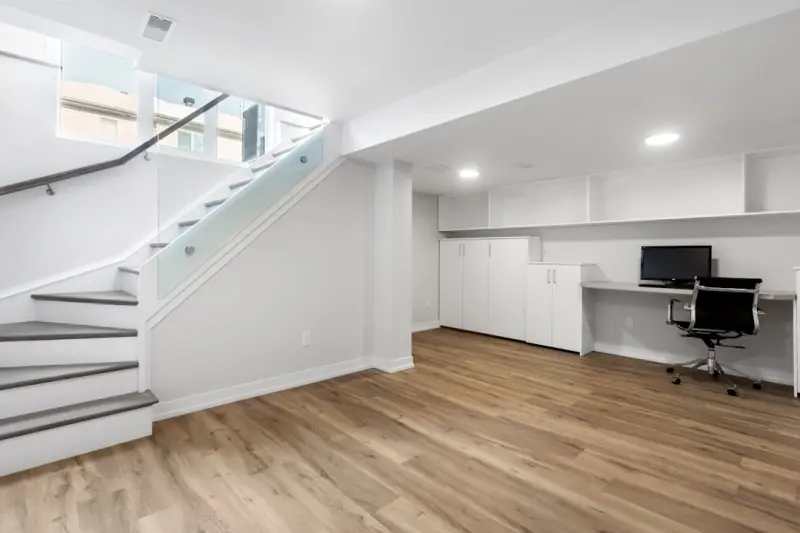
Turning Your Basement Into a Holistic Wellness Sanctuary
Learn step‑by‑step how to convert an underused basement into a holistic wellness retreat, covering air quality, artificial daylight, soundproofing, biophili...Read More

Reviving Brick: Modern Masonry Techniques for the Everyday Builder
Explore contemporary masonry strategies—materials, mortar mixes, thin veneer, and sustainable reclamation—to create lasting, stylish walls that bridge indoo...Read More

Carbon‑Negative Concrete: How the Industry Is Rewriting Its Green Playbook
Concrete is undergoing a climate makeover. By swapping traditional cement for low‑carbon binders, capturing CO₂ during curing, and using waste aggregates, b...Read More
0 Comments
Post Comment
You will need to Login or Register to comment on this post!