
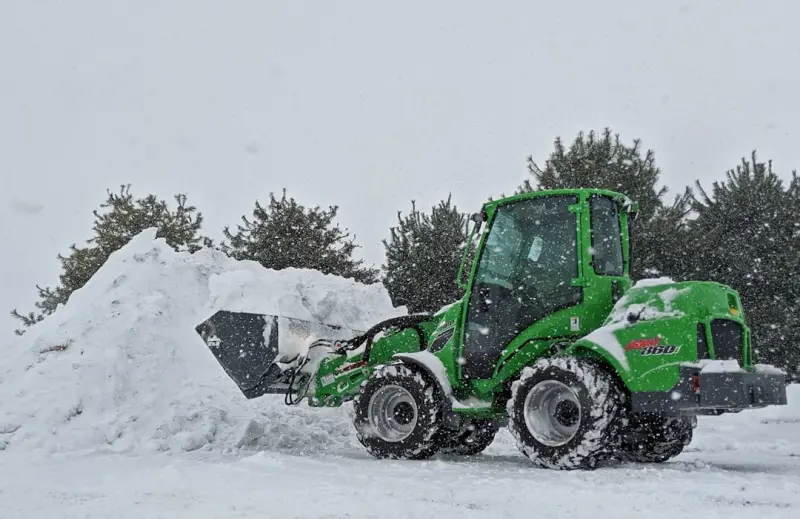
Why Snow Removal Needs a Tech‑First Overhaul
Every winter, facilities managers scramble to keep driveways, loading docks, and walkways safe. The traditional playbook—stockpiling salt, hiring crews, and hoping the storm passes—often leaves budgets bloated and safety compromised. What if snow removal could be as predictable as a thermostat setting and as efficient as a well‑tuned data pipeline? In this post, I’ll walk you through the emerging technologies, sustainability tricks, and operational frameworks that can shift snow management from a reactive nightmare to a proactive, value‑adding function.
Beyond the Shovel: Hidden Costs That Most Facilities Overlook
Most organizations focus on the obvious line items: labor wages, de‑icing chemicals, and equipment rentals. However, the real expense lies in the ripple effects:
- Downtime penalties. A blocked loading dock can delay shipments, trigger contractual penalties, and erode customer trust.
- Equipment wear. Repeated exposure to salt and moisture shortens the lifespan of trucks, plows, and even building façades.
- Liability exposure. Slip‑and‑fall claims rise sharply after a heavy snowfall, especially if the site isn’t cleared within a documented timeframe.
- Energy waste. Heating systems work overtime to compensate for cold pockets created by piled snow, inflating utility bills.
Understanding these indirect costs is the first step toward a data‑driven snow strategy that protects the bottom line.
Predictive Forecasting: Turning Weather Data Into Actionable Plans
Weather services now offer hyper‑local forecasts updated every few minutes. By integrating these APIs into a facility’s maintenance platform, you can generate snow risk scores for each zone of a property. A simple algorithm might look like this:
- Collect precipitation intensity, temperature, and wind speed.
- Apply a weighting factor for each parameter (e.g., temperature below –5 °C = higher risk).
- Combine the weighted values to produce a score from 0–100.
- Trigger pre‑emptive actions—like pre‑heating critical pathways or scheduling early crew deployment—once the score crosses a threshold.
This approach flips the script: instead of reacting after snow piles up, you’re acting before it becomes a problem.
IoT‑Enabled Equipment: Smarter Plows, Sensors, and Autonomous Vehicles
Modern snow‑removal fleets are no longer just steel and blades. Adding IoT modules to plows and skid‑steer loaders provides real‑time telemetry:
- GPS tracking. Pinpoint the exact location of each machine, ensuring coverage gaps are instantly identified.
- Load sensors. Measure how much salt or sand is on board, prompting automatic refill requests before a tank runs dry.
- Vibration analysis. Detect early signs of mechanical fatigue, scheduling maintenance before a breakdown occurs on a critical route.
When combined with a central dashboard, managers can allocate resources dynamically, reducing overtime and fuel consumption. The technology is mature enough that many manufacturers already offer plug‑and‑play kits, so you don’t need a custom engineering team to get started.
Green De‑icing: Reducing Environmental Footprint Without Sacrificing Safety
Salt has been the go‑to de‑icing agent for decades, but its corrosive nature damages concrete, metal, and nearby vegetation. Sustainable alternatives are gaining traction:
- Calcium magnesium acetate (CMA). Derived from limestone and acetic acid, CMA works at lower temperatures and is less harmful to plant life.
- Liquid de‑icers with nano‑technology. These solutions create a thin, protective film that prevents ice bonding, using far less material than traditional bulk sprinkling.
- Pre‑treated pavement mats. Deployable mats infused with anti‑freeze polymers can be placed in high‑traffic zones, reducing the need for chemical spread altogether.
Choosing the right mix not only extends the life of your facility’s surfaces but can also be a compelling story for sustainability‑focused stakeholders.
Integrating Snow Management Into the Broader Facility Strategy
Snow removal should not exist in a silo. It intertwines with waterproofing as a competitive edge, building envelope performance, and even energy consumption. By aligning snow‑related tasks with other maintenance windows, you create a unified calendar that:
- Reduces duplicate crew visits—combine snow clearing with routine roof inspections or gutter cleaning.
- Optimizes chemical usage—apply anti‑freeze treatments during scheduled exterior cleaning cycles.
- Leverages existing infrastructure—use heated driveway mats that double as under‑floor heating for adjacent indoor spaces.
This holistic view turns a seasonal chore into a strategic lever for overall facility resilience.
Case Snapshot: A Mid‑Size Distribution Center Reduces Snow‑Related Costs by 30%
One of our clients—a 150,000‑sq‑ft distribution hub in the Midwest—implemented a three‑pronged approach:
- Integrated a predictive weather API with their existing CMMS, generating daily snow risk alerts.
- Equipped their five plow trucks with GPS and load sensors, feeding data to a central ops dashboard.
- Switched from traditional salt to a blended CMA‑sand solution, applying it only where sensor data indicated a high slip risk.
Results after one winter season:
- Labor hours dropped from 1,200 to 840, a 30% reduction.
- Salt consumption fell by 45%, saving $27,000.
- Zero slip‑and‑fall incidents were reported, compared to three the previous year.
The ROI was realized within eight months, and the client now plans to expand the model to its other locations.
Future‑Proofing: Autonomous Snow Robots and AI‑Driven Decision Engines
The next wave of innovation is already on the horizon. Imagine a fleet of small, autonomous robots that navigate sidewalks, detect ice patches with infrared cameras, and apply targeted de‑icing chemicals—all without human intervention. Paired with an AI engine that learns from historical weather patterns and operational data, the system can continuously refine its deployment strategy.
While large‑scale adoption may still be a few years away, pilot programs are emerging in tech‑centric campuses. Early adopters report:
- Up to 60% reduction in manual labor for pedestrian pathways.
- Improved compliance with safety regulations, thanks to continuous monitoring.
- Data archives that feed future forecasting models, creating a virtuous cycle of improvement.
Practical First Steps for Facilities Managers
If the vision of AI‑powered snow robots feels distant, start small with these actionable steps:
- Audit current snow‑removal spend. Break down labor, chemicals, equipment, and indirect costs.
- Integrate a weather API. Many services offer free tiers sufficient for basic risk scoring.
- Retrofit one piece of equipment. Add a GPS tracker to your most-used plow and monitor its utilization for a month.
- Trial a green de‑icer. Start with a pilot zone to compare performance and cost against salt.
- Align schedules. Map snow‑related tasks onto your existing maintenance calendar to spot overlap opportunities.
These low‑risk initiatives can generate quick wins, building momentum for larger technology investments down the line.
Conclusion: Snow Removal as a Competitive Differentiator
When you treat snow removal as a data‑rich, technology‑enabled service, you unlock hidden efficiencies, protect assets, and bolster safety—all while reinforcing your organization’s sustainability credentials. The era of reacting to the first snowfall is ending; the future belongs to those who anticipate, automate, and continuously improve. Embrace the shift, and watch your winter operations become a model of operational excellence.

Kelly Reynolds is a dynamic freelance writer hailing from the picturesque landscapes of Alberta. A master of the written word, she juggles her passion for storytelling with the exhilarating chaos of being a mother to five spirited children. With an impressive portfolio that spans various genres, Kelly captivates readers through her engaging blog posts and thought-provoking articles.
Related Posts

Data‑Driven Snow Removal: Turning Winter Chaos into Predictable Performance
Snow removal is evolving from a reactive chore to a data‑driven operation. Discover how sensors, r... Read More
Community Snow Removal Networks: Turning Winter Chaos into Neighborhood Advantage
Learn how a community snow removal network leverages shared resources, smart data, and eco‑friendl... Read More
The Importance of Sustainable Snow Removal Practices
Adopt sustainable snow removal practices to minimize your environmental impact. Learn eco-friendly t... Read More
Top Posts

Breathing New Life into Historic Windows: A Restoration Guide
Discover a step‑by‑step approach to restoring historic windows, combining authentic craftsmanship with modern efficiency and discreet smart‑home integrati...Read More

The Veteran’s Guide to Sustainable Mold Removal and Prevention
Discover how to detect, safely remove, and prevent mold using green methods and expert insights, ensuring a healthier, more sustainable home environment....Read More

Bringing the Outdoors In: Biophilic Kitchen Renovations for Healthier Homes
Explore a fresh approach to kitchen remodels that blends natural light, organic materials, and living greenery, creating a healthier, more inviting heart of the...Read More

Countertops Reimagined: From Passive Slabs to Smart, Sustainable Kitchen Hubs
Modern countertops are evolving from static work surfaces into dynamic, health‑centric, and energy‑efficient platforms. Discover the latest materials, smart...Read More
0 Comments
Post Comment
You will need to Login or Register to comment on this post!