
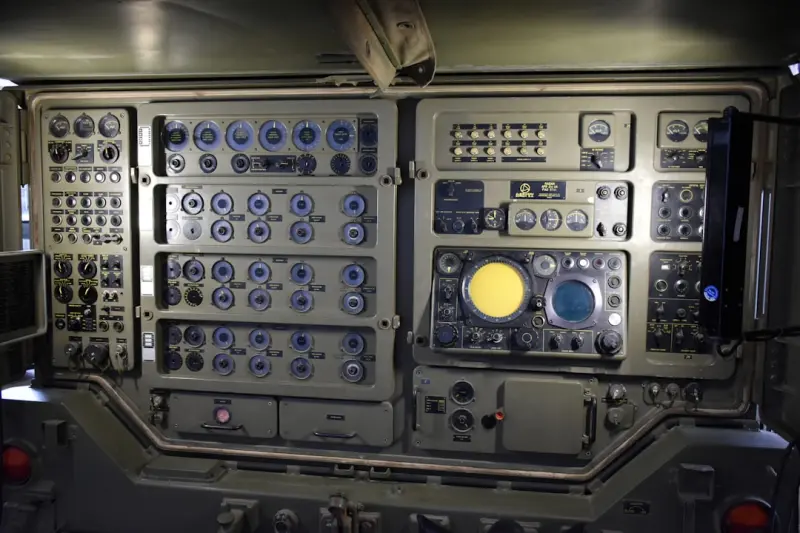
Why General Contractors Need an AI‑Powered Project Command Center Now
When I first stepped onto a job site twenty‑odd years ago, the most sophisticated tool we had was a walkie‑talkie and a stack of paper blueprints. Fast forward to today, and the same site can be monitored from a laptop in a coffee shop, while a cloud‑based algorithm crunches numbers faster than a seasoned estimator could ever hope to. The shift isn’t just about gadgets; it’s about reshaping the very decision‑making engine that drives every contract, every schedule, and every margin.
The Talent Gap Isn’t Going Away – It’s Evolving
Labor shortages have become the industry’s mantra. Apprenticeships are thinner, seasoned tradespeople are aging out, and the pipeline of new talent is clogged by rising training costs. Traditional mitigation strategies—raising wages, offering sign‑on bonuses, and intensifying recruitment drives—are proving to be band‑aids on a structural wound.
AI can act as a force multiplier for the teams you already have. By automating routine tasks, surfacing hidden inefficiencies, and providing predictive insights, intelligent systems let a lean crew accomplish the output of a much larger one. The result? Faster project delivery, tighter budgets, and a happier workforce that can focus on craft rather than admin.
What an AI‑Powered Command Center Looks Like
- Real‑time Progress Tracking: Sensors, drones, and IoT devices feed live data into a centralized dashboard. Managers can see, in seconds, whether concrete has cured to spec, if a wall is out of plumb, or whether a subcontractor is running behind schedule.
- Predictive Resource Allocation: Machine‑learning models ingest historical labor rates, weather patterns, and material lead times to forecast the exact crew size needed each day. This eliminates the dreaded “over‑staffed Monday, under‑staffed Friday” scenario.
- Dynamic Cost Modeling: Instead of a static bid, the system updates cost projections as variables shift—fuel price spikes, unexpected site conditions, or even a sudden change in code requirements.
- Integrated Communication Hub: All stakeholders—owners, architects, subcontractors, and suppliers—interact through a single platform, reducing email overload and miscommunication.
- Risk Radar: By correlating past incident logs with current site conditions, the AI flags high‑risk activities before they become accidents, enhancing safety compliance.
From Data to Action: The Role of data‑driven maintenance Thinking
Many contractors already rely on predictive maintenance to keep equipment humming. The same principles apply to project execution. If a piece of heavy equipment is likely to fail next week, the system can automatically reschedule tasks that depend on it, ordering a replacement or reallocating labor to keep the critical path intact. This level of foresight transforms a reactive workflow into a proactive one, shaving days—sometimes weeks—off the overall timeline.
Case Study: Turning a Multi‑Family Renovation into a future‑ready build
One of our recent engagements involved a 200‑unit mixed‑use renovation in a dense urban core. The client demanded a “smart” transformation: integrated EV charging, automated climate control, and a central energy management system. Here’s how the AI command center made it possible:
- Pre‑construction Simulation: Using BIM data, the AI ran thousands of schedule permutations, identifying the optimal sequencing that minimized crane moves and reduced material handling.
- Live Subcontractor Coordination: Each trade logged daily progress via mobile tablets. The platform flagged a delay in drywall installation caused by a material shortage, automatically reassigning labor to interior finish work to keep the crew productive.
- Energy‑Performance Forecasting: The system modeled the impact of installing EV chargers on the building’s load profile, advising the client on the most cost‑effective utility rate plan before construction even began.
- Post‑occupancy Analytics: After turnover, the AI continued to monitor energy usage, providing the building manager with actionable insights that reduced utility bills by 12% in the first six months.
The outcome? The project was delivered six weeks ahead of schedule, stayed 4% under budget, and the client earned a sustainability award—proof that AI isn’t just a buzzword; it’s a competitive advantage.
Getting Started: A Pragmatic Roadmap
Implementing an AI command center can feel like a leap into the unknown. Below is a step‑by‑step framework that balances ambition with realism.
- Audit Your Current Data Landscape: Identify where data already exists—time‑cards, equipment logs, procurement systems—and where gaps remain. Even a simple spreadsheet can be the seed for a larger data pipeline.
- Select a Scalable Platform: Look for solutions that support modular integration. Start with a pilot (e.g., real‑time labor tracking) before expanding to full‑scale predictive cost modeling.
- Partner with a Trusted AI Vendor: Choose a provider with proven construction use cases, not just generic analytics expertise. Their domain knowledge will accelerate model training and reduce false positives.
- Train Your Team: Technology adoption hinges on human buy‑in. Run workshops that showcase quick wins—like instantly seeing overtime trends—and encourage feedback loops.
- Iterate and Refine: Treat the system as a living entity. As more data flows in, refine algorithms, adjust dashboards, and expand the scope of automation.
Addressing Common Concerns
“AI will replace my project managers.” — Not at all. AI handles the grunt work—data aggregation, pattern recognition, and routine alerts—freeing managers to focus on negotiation, client relationships, and strategic problem‑solving.
“The upfront cost is too high.” — While there is an investment, the ROI typically materializes within the first 12‑18 months through reduced rework, tighter labor utilization, and lower material waste.
“Our projects are too unique for a one‑size‑fits‑all model.” — Modern AI platforms are highly configurable. They learn from each project’s nuances, delivering increasingly accurate predictions over time.
The Competitive Edge: Turning Insight into Influence
Clients today demand transparency. They want to see not just the finished product, but the journey that got there. An AI command center provides a living, shareable narrative: every change order, every delay, and every cost saving is documented and visualized. This builds trust, differentiates your firm, and opens doors to higher‑value contracts.
Moreover, as owners increasingly adopt digital twins and asset‑management platforms, they expect their contractors to speak the same language. Being able to feed accurate, real‑time data into these ecosystems positions your firm as a forward‑thinking partner rather than a traditional service provider.
Future Trends to Watch
- Generative Design for Construction Planning: AI will soon propose optimal site layouts, material mixes, and sequencing based on defined goals—like minimizing carbon footprint or maximizing daylight.
- Edge Computing on Site: Mini‑servers placed on the job site will process sensor data locally, reducing latency and ensuring continuous operation even when connectivity is spotty.
- Voice‑Activated Site Management: Imagine a foreman asking, “What’s the critical path today?” and receiving an instant visual update on a tablet—hands‑free, real‑time decision support.
Wrapping Up: From Hesitation to Adoption
If you’re still on the fence, ask yourself three questions:
- Am I consistently battling schedule overruns and budget leaks?
- Do I have the talent bandwidth to manually monitor every moving part on a large site?
- Will my clients value and reward transparency and data‑driven performance?
If the answer to any of these is “yes,” the path forward is clear. The tools are ready, the use cases are proven, and the competitive pressure is mounting. Embracing an AI‑powered project command center isn’t a futuristic experiment; it’s a strategic necessity for any general contractor who wants to thrive in the next wave of construction innovation.
In the words of a seasoned foreman I once mentored: “We used to chase problems. Now we predict them. That’s the difference between building a house and building a legacy.”

Craig Brett is a freelancer with a passion for the outdoors. His love for nature inspires his work, bringing authentic and engaging perspectives to projects related to outdoor activities, adventure, and environmental topics.
Related Posts
Prefabricated Modules: A Game‑Changer for General Contractors
Learn why modular construction is reshaping general contracting, from cost savings and faster schedu... Read More

Collaboration Platforms: The New Blueprint for General Contractors
General contractors can revolutionize project outcomes by adopting real‑time collaboration platfor... Read More

Why General Contractors Should Embrace the Circular Economy
A deep dive into circular construction, showing contractors how to cut costs, capture new revenue, a... Read More
Top Posts

Why Power‑over‑Ethernet Is the Unsung Hero of Modern Building Intelligence
Power‑over‑Ethernet merges power and data in a single cable, cutting costs and simplifying installations while providing a data‑rich platform for AI, digi...Read More

Drone‑Enabled Home Inspections: The Future is Now
A deep dive into how drones, AI, and thermal imaging are reshaping home inspections, offering faster, safer, and more data‑driven assessments that benefit bot...Read More

Designing a Pollinator‑Friendly Landscape That Thrives Year‑Round
Discover a fresh approach to landscaping that blends native plants, edible gardens, and waterwise design to attract pollinators and sustain a thriving ecosystem...Read More

The Future of Design Build: A Sustainable Perspective
The design build process is evolving to prioritize sustainability, with eco-friendly materials, energy-efficient systems, and green building practices becoming ...Read More
0 Comments
Post Comment
You will need to Login or Register to comment on this post!