
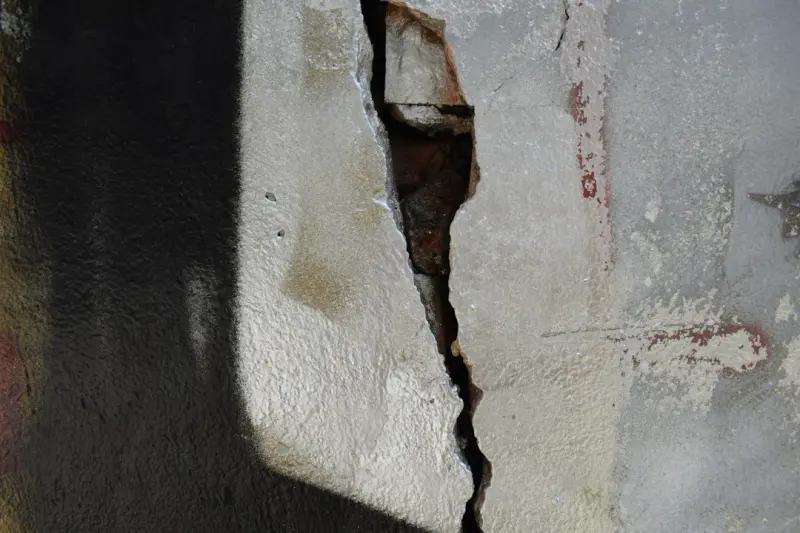
Why Foundations Matter More Than Walls
When most facility leaders think about building health, the focus lands on roofs, HVAC, or interior finishes. The foundation, however, is the silent steward of structural integrity. A compromised base can amplify vibrations, accelerate settlement, and even jeopardize the performance of systems that sit above it. In the long run, neglecting the foundation is not just a structural risk—it’s a strategic liability that erodes asset value.
The Hidden Costs of Late‑Stage Repairs
Every year, property owners report surprise repair bills that explode beyond the original estimate. The root cause? Waiting until cracks become visible or doors begin to jam before taking action. Late‑stage repairs often require extensive underpinning, soil stabilization, and in some cases, a full‑scale reconstruction of footings. Those interventions can be three to five times more expensive than a modest, pre‑emptive fix.
Beyond the direct financial outlay, there are indirect costs that rarely make it onto a balance sheet:
- Operational downtime: Tenant disruptions, equipment relocation, and temporary occupancy losses can cripple productivity.
- Insurance premiums: Claims history tied to structural failures drives up risk assessments.
- Resale perception: Prospective buyers or investors scrutinize foundation reports, often discounting the price by 5‑10% for perceived risk.
Understanding these hidden costs reframes foundation repair from a reactive expense to a proactive investment.
Data‑Driven Monitoring: Sensors, Drones, and Software
Advancements in the IoT ecosystem have finally reached the subterranean realm. Today, low‑power strain gauges, moisture sensors, and tilt meters can be embedded in footings and soil columns to deliver real‑time data on settlement, moisture migration, and load distribution. When paired with cloud‑based analytics, these devices transform raw numbers into actionable insights.
Consider a multi‑tenant office tower where minimalist DIY repair toolkit concepts are being repurposed for professional maintenance crews. A single handheld device, pre‑loaded with a diagnostic app, can poll dozens of sensors across the building’s perimeter, flagging anomalies before they manifest as cracks.
Beyond ground‑level sensors, drones equipped with LiDAR and infrared cameras can map surface deformation with millimeter precision. By flying a systematic grid over a property, facilities teams generate a digital twin of the foundation’s surface, allowing engineers to spot subtle shifts that traditional inspections miss.
The real power lies in predictive algorithms. Machine‑learning models ingest historic sensor data, local weather patterns, and geotechnical surveys to forecast settlement trends. When the model predicts a 2‑mm movement within the next 30 days, maintenance managers receive an automated ticket, prompting a targeted intervention.
Materials That Respect the Earth
While high‑tech monitoring captures the “when,” material science answers the “how.” Modern foundation repair is moving away from heavyweight cement blends toward greener alternatives that still meet structural demands.
One emerging class of materials is geopolymer concrete, which uses industrial by‑products like fly ash or slag as binders. These mixtures reduce carbon emissions by up to 70% compared with Portland cement, while delivering comparable compressive strength. Another option is fiber‑reinforced polymer (FRP) wraps, which reinforce existing footings without adding mass, preserving the soil’s natural load‑bearing capacity.
For projects where soil chemistry is a concern, thermal mass strategies can be adapted. By integrating phase‑change materials into the footing design, the foundation becomes a thermal buffer, smoothing temperature fluctuations that often accelerate freeze‑thaw damage in colder climates.
Choosing sustainable materials not only aligns with corporate ESG goals but also often extends the service life of repairs, further lowering lifecycle costs.
Financial Modeling: Turning Repair Into Investment
Facility managers traditionally treat foundation repair as a line‑item expense. A shift to a strategic‑asset mindset requires robust financial modeling that captures both tangible and intangible returns.
Key performance indicators (KPIs) to track include:
- Net present value (NPV): Compare the discounted cash flows of proactive repairs versus deferred, high‑cost interventions.
- Return on investment (ROI): Factor in avoided downtime, reduced insurance premiums, and increased lease rates.
- Asset depreciation mitigation: A healthy foundation slows the accelerated depreciation that regulators often apply to aging structures.
Advanced modeling tools now integrate sensor data streams directly into cost‑benefit analyses. For example, if moisture sensors indicate a rising water table, the model can project the added risk of hydrostatic pressure, automatically adjusting the recommended repair schedule and associated budget.
A Step‑by‑Step Playbook for Facility Managers
Implementing a proactive foundation strategy may feel daunting, but breaking it into manageable phases helps embed the practice into existing workflows.
- Baseline Assessment: Conduct a geotechnical survey and install a core set of sensors (strain, moisture, tilt) at critical load points.
- Data Integration: Connect sensor feeds to a centralized dashboard that aligns with your existing CMMS (Computerized Maintenance Management System).
- Threshold Definition: Work with structural engineers to set alert thresholds based on code requirements and historical performance.
- Preventive Action Plan: Develop a schedule of minor interventions—such as drainage improvements or soil compaction—triggered by sensor alerts.
- Material Selection: Choose repair materials that meet structural specifications while supporting sustainability goals.
- Continuous Review: Quarterly, review sensor trends, cost reports, and ROI metrics to refine thresholds and actions.
By embedding these steps into the regular maintenance cycle, the foundation becomes a living component of the building’s health ecosystem rather than an afterthought.
Case Study Snapshot: A Mid‑Size Manufacturing Campus
One regional manufacturer faced recurring floor unevenness that disrupted assembly lines. The traditional approach—periodic slab leveling—cost the company $250,000 annually in downtime and rework.
After deploying a network of soil moisture and tilt sensors beneath the main production hall, the engineering team identified a seasonal rise in groundwater that caused differential settlement. Using predictive modeling, they scheduled targeted soil stabilization and installed FRP wraps on vulnerable footings before the wet season began.
The outcome was striking:
- 30% reduction in unplanned downtime.
- 15% decrease in insurance premiums due to lowered structural risk.
- A projected NPV gain of $1.2 million over a ten‑year horizon, accounting for avoided repairs and productivity gains.
This example illustrates how data, material innovation, and disciplined financial analysis converge to turn foundation repair into a strategic advantage.
Future Outlook: Foundations as Digital Assets
The next decade will see foundations evolve from passive structures to digital assets. Imagine a building’s foundation publishing its health metrics to a blockchain‑based ledger, where stakeholders—owners, insurers, lenders—access immutable performance records. Such transparency could unlock lower financing rates for properties that demonstrate superior foundation stewardship.
Additionally, advances in robotic excavation and 3D‑printed concrete modules will enable on‑site, just‑in‑time repairs with minimal disruption. Coupled with AI‑driven diagnostics, these technologies will shrink the decision‑to‑action window from weeks to hours.
For forward‑thinking facilities teams, the message is clear: Embrace the data, choose sustainable materials, and embed foundation health into the broader asset management strategy. The payoff isn’t just a sturdier building—it’s a resilient, high‑value portfolio ready to weather the uncertainties of tomorrow.

William Roy is a freelance writer originally from Montreal who moved to Ottawa with his wife of 50 years to be closer to their grandkids. Alongside his writing, William has a passion for fishing.
Related Posts

The Hidden Economics of Proactive Foundation Repair
A homeowner’s guide to spotting foundation trouble early, leveraging data‑driven tools, and choo... Read More
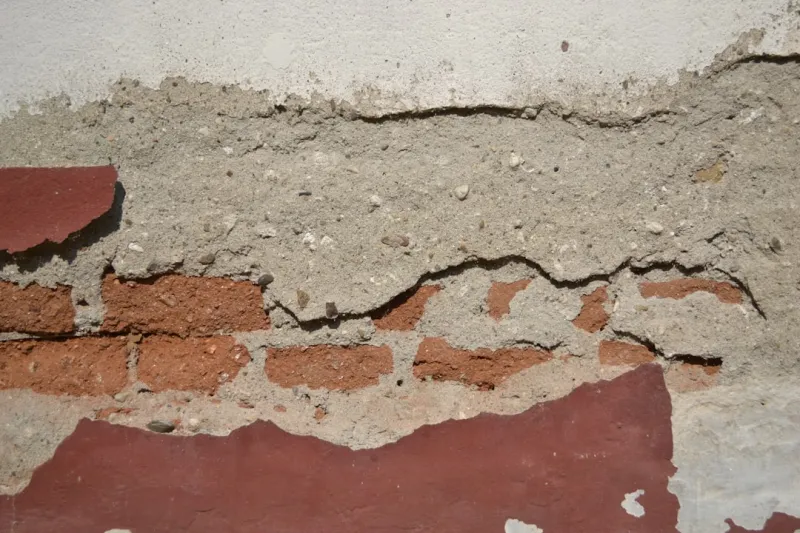
The Ultimate Guide to Foundation Repair: A Comprehensive Overview
Foundation repair is crucial for maintaining the stability and longevity of your home. Learn about c... Read More

Financing Foundation Repair: A Homeowner’s Guide to Protecting Equity
A detailed guide that walks homeowners through financing options, insurance claim tactics, and contr... Read More
Top Posts
Elevate Your Home: Transforming Roofs into Outdoor Sanctuaries
Explore the journey of turning an ordinary roof into a vibrant outdoor retreat, blending design, greenery, and lasting protection for a new level of home living...Read More

Designing a Sanctuary: The New Wave of Bathroom Renovations
A fresh look at bathroom remodels that blends spa‑like wellness, eco‑friendly fixtures, and future‑proof design to create a personal sanctuary and boost h...Read More

Cultivating Climate‑Smart Landscapes: Data, Design, and Delight
A strategic look at how modern businesses can turn their outdoor spaces into climate‑smart assets using native plants, smart irrigation, and predictive mainte...Read More

Harvesting Rain: Turning Your Gutters into a Home Water Resource
Discover creative ways to upgrade, maintain, and beautify gutters—turning them into a reliable rain‑harvest system that saves water, cuts costs, and boosts ...Read More
0 Comments
Post Comment
You will need to Login or Register to comment on this post!