
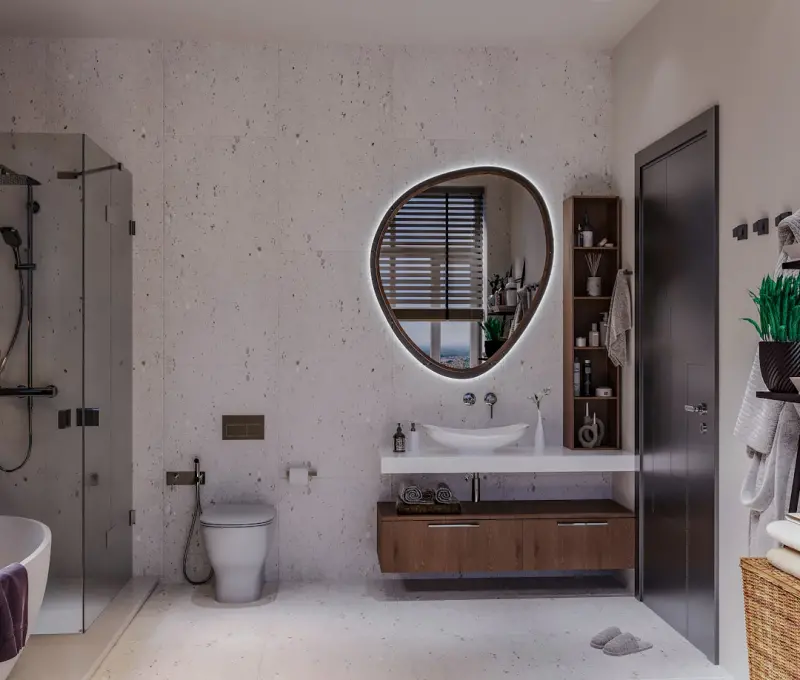
Why Your Bathroom Should Be the First Room You Upgrade
When homeowners talk about renovation ROI, the kitchen usually steals the spotlight. Yet the bathroom is quietly eclipsing the kitchen as the most profitable space to upgrade—if you approach it with the right mindset. It isn’t just about swapping out a faucet or adding a new tile pattern; it’s about reimagining the room as a personal wellness hub, a low‑maintenance sanctuary, and a future‑ready asset.
The Wellness‑First Philosophy
Modern consumers are treating self‑care like a daily ritual rather than an occasional indulgence. This shift is reshaping interior design across the board, and the bathroom is the natural canvas for a wellness‑first approach. Think of it as a private spa that you can step into after a long day. The key ingredients are:
- Biophilic Elements: Incorporating natural materials, live plants, and daylight to lower stress and improve mood.
- Temperature Control: A heated floor, a towel warmer, and a smart shower that remembers your preferred temperature.
- Acoustic Comfort: Soft‑absorbing surfaces that mute the roar of water and the echo of footsteps.
- Mindful Lighting: Tunable LED strips that transition from bright, energizing whites to warm, calming ambers.
Biophilic Design: Bringing the Outdoors In
There’s a growing body of research showing that exposure to nature—even visual cues—reduces cortisol levels. In a bathroom, biophilic design can be achieved without a full‑scale garden. Here are three low‑effort tactics:
- Live Wall Panels: Small, modular moss or succulents panels can thrive in humid conditions, adding texture and a subtle scent of earth.
- Stone and Wood Finishes: Choose reclaimed stone or responsibly sourced bamboo for vanity tops and flooring. The tactile quality of these materials anchors the space in the natural world.
- Large‑Format Windows or Skylights: If privacy permits, a high‑placed window or frosted skylight floods the room with daylight, regulating circadian rhythms.
Sustainability Without Compromise
Eco‑friendly upgrades no longer mean sacrificing style or performance. The market now offers high‑efficiency fixtures that blend seamlessly with luxury aesthetics.
- Low‑Flow Toilets & Faucets: Dual‑flush toilets and aerated faucets can cut water usage by up to 40% without noticeable loss in pressure.
- Recycled‑Content Tile: Porcelain tiles made from post‑consumer glass or reclaimed ceramic provide striking patterns while diverting waste from landfills.
- Water‑Sense Showers: Flow‑restricting showerheads that use air‑mix technology maintain a full, invigorating spray with less water.
When you pair these choices with a connected fixture ecosystem, you gain real‑time usage data, leak alerts, and the ability to fine‑tune performance from your phone.
Designing for Accessibility and Aging‑In‑Place
Many homeowners overlook the long‑term value of an accessible bathroom. With the population aging, a bathroom that accommodates mobility challenges is a smart investment. Consider the following design principles:
- Walk‑In Tubs & Curbless Showers: Level entry eliminates tripping hazards. A built‑in bench and grab bars provide extra security without looking clinical.
- Lever‑Style Controls: Lever faucets and toilet flush handles are easier for arthritic hands than traditional knobs.
- Touch‑Free Technology: Motion‑activated faucets and hands‑free flush valves reduce the need for fine motor control, enhancing hygiene.
By integrating these features now, you future‑proof the home and increase its marketability to a broader buyer pool.
Acoustic Strategy: Quieting the Space
Bathrooms are notorious for echoing every splash and flush. While “quiet” is a term used in another recent post, we can still address the acoustic challenge without echoing that phrasing. Sound‑absorbing wall panels, acoustic ceiling tiles, and soft‑close toilet seats dramatically lower noise levels, creating a more serene environment. A thoughtful acoustic plan also protects neighboring rooms—especially valuable in open‑plan homes where the bathroom sits adjacent to a living area.
Lighting: From Function to Ritual
Good lighting does more than illuminate; it sets the tone for the entire experience.
- Layered Lighting: Combine recessed downlights, vanity sconces, and indirect LED strips to create zones for grooming, relaxation, and ambiance.
- Color Temperature Control: Adjustable LEDs let you shift from a bright, energizing daylight (5000 K) in the morning to a soothing warm glow (2700 K) in the evening.
- Smart Integration: Voice‑controlled lighting scenes can be programmed to start a “Morning Routine” that gradually brightens the room while the shower warms up.
Smart Mirrors: The New Bathroom Command Center
While full‑scale IoT plumbing is covered elsewhere, the mirror is a subtle yet powerful touchpoint. A smart mirror can display weather, calendar events, or even stream news while you brush your teeth. Integrated defoggers keep the glass clear, and built‑in Bluetooth speakers let you enjoy music or podcasts without additional hardware clutter.
Flooring: Warmth, Safety, and Style
Tile remains a favorite, but the options have expanded dramatically. Heated underfloor systems paired with slip‑resistant, large‑format porcelain create a luxurious yet safe surface. For a more organic look, consider engineered wood designed for high‑moisture environments—its warmth complements heated floors and adds a spa‑like feel.
Storage Solutions That Don’t Compete With Design
Clutter is the enemy of serenity. Modern storage ideas focus on concealment and accessibility:
- Floating Vanities: Open floor space makes the room feel larger, while hidden drawers keep toiletries out of sight.
- Recessed Niches: Built into shower walls, they hold shampoo and soap without breaking the visual flow.
- Pull‑Out Shelving: Deep, sliding shelves behind a clean panel provide space for linens without sacrificing aesthetics.
Future‑Proofing With Flexible Infrastructure
Even if you’re not installing a fully connected bathroom system today, planning for it is wise. Run conduit in walls for future sensor integration, allocate space for a larger water heater, and choose a modular vanity that can be upgraded without demolition. This approach mirrors the concept of “plug‑and‑play” in tech—allowing you to add features later as they become mainstream.
Cost‑Benefit Analysis: What Actually Adds Value?
Not every upgrade yields the same return. Here’s a quick hierarchy based on market data:
- High‑Efficiency Fixtures: Water and energy savings translate to lower utility bills and higher resale appeal.
- Heated Floors & Towel Warmers: Perceived luxury adds significant buyer attraction.
- Accessible Design Features: Future‑proofing for aging‑in‑place can be a decisive factor for families.
- Smart Mirrors & Voice‑Controlled Lighting: Enhances modern appeal but offers modest ROI compared to core performance upgrades.
- Premium Materials (e.g., natural stone, custom cabinetry): While visually stunning, they are more about personal satisfaction than resale premium unless paired with the above items.
Project Management Tips for a Smooth Renovation
Renovating a bathroom can be disruptive, but a disciplined plan keeps stress low.
- Scope Definition: Write a detailed brief that includes wellness goals, sustainability targets, and accessibility requirements.
- Phased Scheduling: Tackle demolition, plumbing, and electrical in separate phases to avoid re‑work.
- Vendor Coordination: Align deliveries of tiles, fixtures, and smart devices to reduce storage needs and protect materials.
- Quality Assurance: Conduct a “wet test” before closing walls to catch leaks early—a practice championed in acoustic-focused renovations.
Case Study: From Drab to Spa‑Like in 45 Days
One recent project for a mid‑size family home illustrates the impact of a wellness‑first approach. The original bathroom featured dated tile, a single‑handed faucet, and a bathtub that had seen better days. Within six weeks, the team delivered:
- A curbless, glass‑enclosed shower with a rain‑head and handheld nozzle.
- Recycled‑glass mosaic tiles on the floor, paired with heated underfloor heating.
- A floating vanity made from reclaimed walnut, topped with a smart mirror.
- Low‑flow fixtures with IoT connectivity for leak detection.
- Integrated LED lighting with a sunrise‑sunset scene schedule.
The homeowners reported a 30% reduction in water usage and described the new bathroom as “my daily retreat.” Post‑renovation appraisal showed a 7% increase in home value, underscoring the financial upside of thoughtful design.
Conclusion: Make the Bathroom the Heart of Home Wellness
Bathroom renovations have evolved from a purely functional fix to a strategic investment in health, sustainability, and future flexibility. By embracing biophilic elements, high‑efficiency technology, and accessible design, you can create a space that serves as a daily sanctuary while delivering solid ROI. Whether you’re a homeowner seeking personal comfort or a professional looking to advise clients, the wellness‑first bathroom is the next frontier in home improvement.

Tom Ferguson is a Canadian freelance writer with a passion for storytelling, current events, and thoughtful commentary. Drawing on years of writing experience, he shares engaging insights on a wide range of topics, bringing a uniquely Canadian perspective to his work.
Related Posts
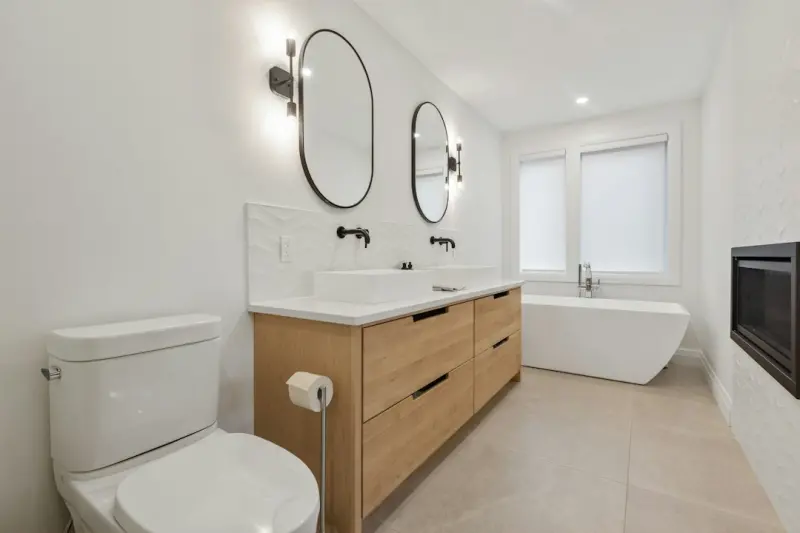
Zero‑Waste Bathroom Renovations: A Practical Guide to Circular Design
Discover a step‑by‑step, zero‑waste approach to bathroom remodels that balances luxury, functi... Read More
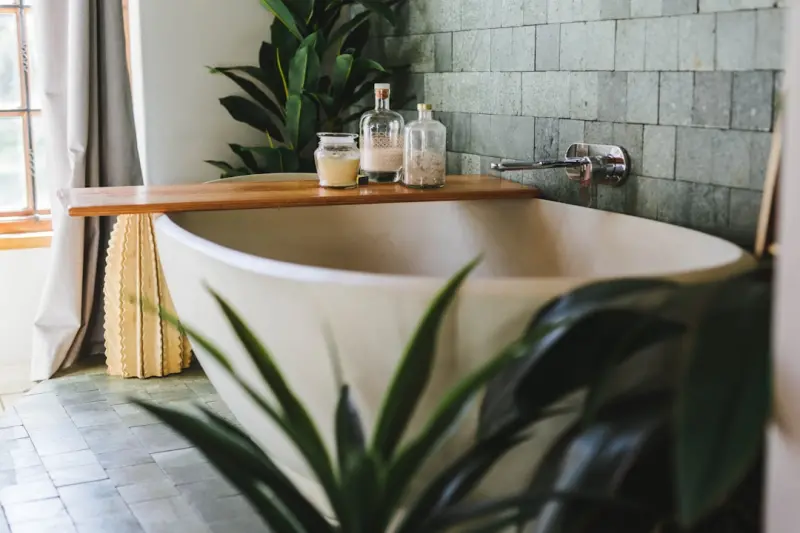
Designing an Aging‑In‑Place Bathroom That Grows With You
Discover practical, budget‑friendly strategies for designing an aging‑in‑place bathroom that b... Read More
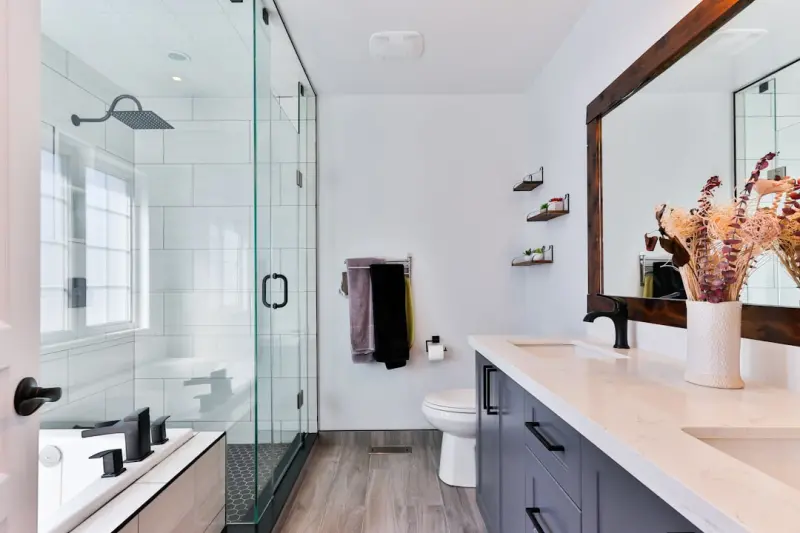
The Bathroom Renaissance: Turning Everyday Spaces into Wellness Sanctuaries
A bathroom can be more than a functional room; it can become a wellness sanctuary. This guide walks ... Read More
Top Posts

Eco‑Smart Painting: Turning Walls into Sustainable, Connected Assets
Explore how low‑VOC paints, AI‑driven color selection, and conductive paint technology transform home painting into a sustainable, data‑rich practice that...Read More

Concrete as the Silent Hero of Sustainable Smart Homes
Explore the hidden eco‑benefits of modern concrete, its role in smart home integration, and why this timeless material remains a cornerstone of sustainable de...Read More

From Bare Bones to Beautiful: A DIY Guide to Mastering Drywalling
Transform your home with this comprehensive guide to DIY drywalling. Learn the essential steps from preparation to the final smooth finish, saving money and gai...Read More

Charging Forward: Building a Garage That Powers Your Electric Vehicle and Home
Discover how to turn a traditional garage into an electric‑mobility hub with smart charging, solar power, and adaptable design for lasting value....Read More
0 Comments
Post Comment
You will need to Login or Register to comment on this post!