
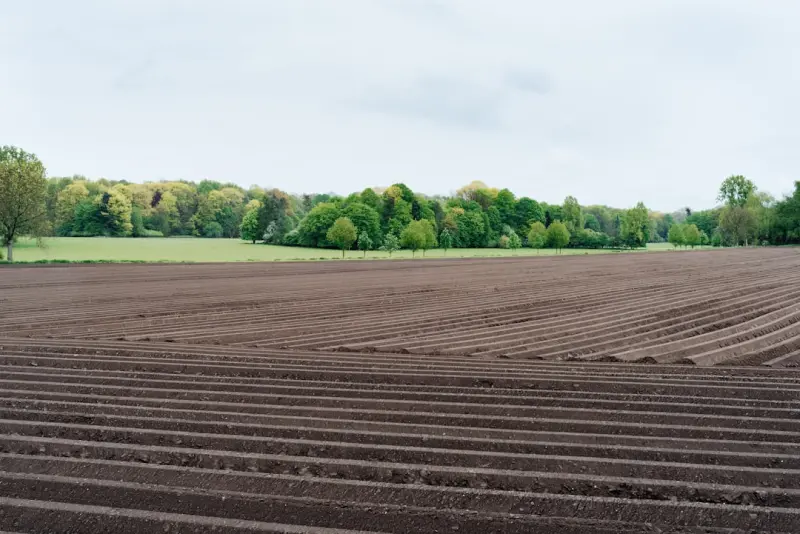
When I first walked onto the corporate campus of a tech startup in the Pacific Northwest, the first thing that caught my eye wasn’t the glass façade or the sleek lobby—it was a modest patch of meadow blooming with native wildflowers, a rain garden humming with frogs, and a series of smart irrigation heads that seemed to know exactly when the soil needed a sip. That moment reshaped my thinking about landscaping: it isn’t just decorative; it’s a strategic, data‑driven platform that can boost employee wellbeing, lower operating costs, and even reinforce a brand’s sustainability story.
The Business Case for Climate‑Smart Landscaping
Landscaping has traditionally been viewed as a “nice‑to‑have” expense, tucked under facilities management budgets and rarely scrutinized for ROI. Yet, when you align outdoor spaces with core business objectives—energy efficiency, talent attraction, risk mitigation—the numbers start to speak loudly.
- Energy Savings: Strategically placed trees and vegetated walls act as natural shade, cutting cooling loads by up to 30 % during peak summer months.
- Water Conservation: Smart drip networks paired with soil‑moisture sensors can reduce irrigation water use by 40‑60 %, translating into measurable utility bill reductions.
- Employee Health & Productivity: Access to biodiverse green spaces has been linked to a 12‑15 % boost in concentration and a measurable drop in stress‑related absenteeism.
- Brand Differentiation: A campus that visibly invests in regenerative ecology sends a powerful message to clients, investors, and prospective hires about long‑term stewardship.
In short, a thoughtfully engineered landscape becomes an asset rather than an expense—a living, breathing extension of your corporate strategy.
From Aesthetic to Algorithm: How Data Powers Modern Gardens
Just as we use predictive analytics to anticipate equipment failure, we can apply the same principles to the health of our grounds. Enter predictive maintenance for green spaces. By installing low‑power soil sensors, weather stations, and even AI‑driven image recognition cameras, facilities teams can receive real‑time alerts about:
- Soil compaction that threatens root growth.
- Early signs of pest infestation before they become visible.
- Micro‑climate shifts that affect plant vigor.
- Water runoff patterns that could lead to erosion.
These insights empower landscape managers to act proactively—adjusting irrigation schedules, rotating plantings, or deploying targeted biological controls—rather than reacting to a wilted lawn or a flooded walkway.
Design Principles for Resilient, Regenerative Landscapes
While data tells you what to fix, design tells you how to prevent problems in the first place. Below are three guiding principles that have helped me turn ordinary yards into climate‑smart ecosystems.
1. Embrace Native Plant Palettes
Native species are pre‑adapted to local soil, rainfall, and temperature regimes. They require less supplemental water, fewer chemical inputs, and provide vital habitat for pollinators. A diverse native meadow can serve as a carbon sink, a storm‑water buffer, and a living classroom for sustainability workshops.
2. Integrate Permeable, Energy‑Smart Surfaces
Traditional concrete plazas are heat islands that demand expensive cooling solutions. By swapping them for cool, permeable surfaces, you achieve multiple gains:
- Reduced surface temperatures—often 10‑15 °F lower than asphalt.
- Enhanced storm‑water infiltration, lessening the load on municipal sewers.
- Potential for embedded photovoltaic or kinetic tiles that generate micro‑power for lighting or sensors.
3. Design for Seasonal Dynamism
A landscape that only looks good in summer misses out on year‑round value. By planning for seasonal texture—evergreen shrubs for winter structure, flowering bulbs for spring bursts, and grasses that turn golden in fall—you keep the space engaging and functional throughout the year. This approach also spreads out maintenance workloads, making staffing and budgeting more predictable.
Smart Irrigation: The Unsung Hero of Sustainable Grounds
Water is the most precious resource in many regions, and landscaping is often the largest single consumer on a corporate campus. Smart irrigation systems now come equipped with:
- Soil moisture probes that measure volumetric water content to the nearest percent.
- Weather API integration that automatically adjusts schedules based on forecasted rainfall.
- Zone‑based pressure control to deliver just the right amount of water to each plant group.
When these components talk to each other through an open‑source IoT platform, the result is a self‑optimizing watering regime that can slash water usage by up to 70 % without compromising plant health.
Case Study: Turning a Corporate Campus into a Regenerative Hub
Let’s walk through a real‑world example (anonymized for confidentiality) to illustrate how these concepts converge.
- Baseline Audit: The facilities team conducted a comprehensive audit, mapping existing plantings, irrigation layouts, and hardscape heat islands. They discovered that 45 % of the irrigation network was outdated, with no flow meters or moisture feedback.
- Data Layer Deployment: Over 200 low‑power soil sensors were installed across the property, feeding data into a cloud analytics dashboard. The system highlighted three zones with chronic over‑watering and two zones prone to drought stress.
- Design Refresh: Landscape architects replaced high‑maintenance turf with a native prairie mix, introduced a rain garden in the southeast quadrant, and swapped the central plaza’s concrete with a permeable paver system (see the technology behind it).
- Smart Irrigation Rollout: The old sprinkler heads were replaced with weather‑responsive drip lines, each linked to the sensor data. An AI engine adjusted watering cycles in real time, preventing waste.
- Results: Within the first year, the campus reported a 58 % reduction in water use, a 22 % drop in cooling energy demand, and a noticeable uptick in employee satisfaction scores related to outdoor amenities. Moreover, the site earned a LEED Gold certification for its innovative water and energy strategies.
Measuring Success: KPIs That Matter
To convince C‑suite stakeholders, you need hard data. Here are five key performance indicators that translate landscape stewardship into business language:
- Water Use Intensity (WUI): Gallons per square foot of irrigated area.
- Energy Offset: BTU reduction from shading and cooling effects.
- Carbon Sequestration: Tons of CO₂ absorbed by vegetation annually.
- Employee Engagement Index: Survey scores tied to access and use of green spaces.
- Maintenance Cost Savings: Dollars saved from predictive interventions versus reactive fixes.
Dashboards that overlay sensor data with these KPIs give executives a clear picture of ROI, making it easier to allocate budget for future upgrades.
Future Trends: From Biophilic Tech to Circular Landscape Materials
Looking ahead, two trends are poised to reshape the industry:
Biophilic Tech Integration
Imagine a lobby where a living wall is coupled with an ambient sound system that plays the subtle rustle of leaves captured by micro‑microphones. Or a conference room whose glass façade automatically tints based on the surrounding foliage’s shade level, creating a dynamic visual connection to the outdoors. These experiences aren’t sci‑fi—they’re emerging as part of the broader “biophilic tech” movement, blending human‑centred design with data‑driven environmental controls.
Circular Landscape Materials
Just as construction is moving toward cradle‑to‑cradle materials, landscaping is experimenting with reclaimed timber, recycled plastic composite decking, and bio‑based mulch made from agricultural waste. These materials close the loop, reduce landfill pressure, and often come with performance benefits such as longer lifespan or enhanced moisture retention.
Getting Started: A Pragmatic Roadmap for Your Organization
If the idea of turning your grounds into a strategic asset feels overwhelming, break it down into manageable phases:
- Assessment & Benchmarking: Conduct a site audit, install a pilot sensor array, and establish baseline KPIs.
- Quick Wins: Replace leaky sprinkler heads, add rain barrels, and plant a few native shrubs in high‑visibility spots.
- Design Overhaul: Partner with a landscape architect who specializes in regenerative design to develop a master plan.
- Technology Integration: Deploy a centralized IoT platform that ties together irrigation, sensor data, and facility management software.
- Continuous Improvement: Use the data collected to refine watering schedules, plant selections, and maintenance routines on an ongoing basis.
By approaching landscaping as a series of iterative, data‑backed improvements, you can demonstrate tangible benefits early on and build momentum for larger investments.
Conclusion: Let Your Grounds Tell Your Story
Landscaping is no longer a decorative afterthought. It’s a multidimensional platform where ecology, technology, and business strategy intersect. When you treat soil health as a data set, plant selections as brand ambassadors, and hardscape as energy‑smart infrastructure, you create a living narrative that resonates with employees, clients, and the planet alike. The next time you stroll through a thoughtfully designed garden, remember: every blade of grass, every droplet of water, and every sensor ping is part of a larger conversation about resilience, innovation, and purpose.

When it comes to the world of blogging and writing, Rose DesRochers is a name that stands out. Her passion for creating quality content and connecting with her audience has made her a trusted voice in the industry. Aside from her skills as a writer and blogger, Rose is also known for her compassionate nature.
Related Posts
Designing the Living Edge: Turning Your Yard into a Year‑Round Habitat
A step‑by‑step guide to building a habitat‑first yard, from mapping microclimates and choosing... Read More

The Green Revolution in Landscaping: Sustainable Practices for a Greener Tomorrow
The green revolution in landscaping is transforming the way we design and maintain outdoor spaces. L... Read More

Regenerative Landscaping: Building a Living, Food‑Rich Garden That Works With Nature
Learn to redesign your yard with regenerative practices—soil building, native planting, rain garde... Read More
Top Posts
The Quiet Revolution: Low‑Noise HVAC Solutions for Healthier Spaces
A deep dive into the emerging low‑noise HVAC trend, exploring technology, design strategies, and real‑world benefits for occupants and building owners....Read More

Future‑Proofing Property Maintenance: A Veteran Contractor’s Playbook
Learn how to blend sustainability with smart maintenance strategies, using seasonal checklists, energy‑saving upgrades, and modern tech to protect and enhance...Read More

Revamp Your Closet: Smart Storage Solutions That Boost Space and Sustainability
Learn how to overhaul your closet with modular shelving, vertical storage, and sustainable materials, turning chaos into a green, space‑saving haven....Read More

Concrete as a Creative Canvas: DIY Artistic Projects for Modern Homes
Explore innovative ways to use concrete as a creative, eco‑friendly material—mix, color, texture, and finish projects that blend durability with stunning de...Read More
0 Comments
Post Comment
You will need to Login or Register to comment on this post!