
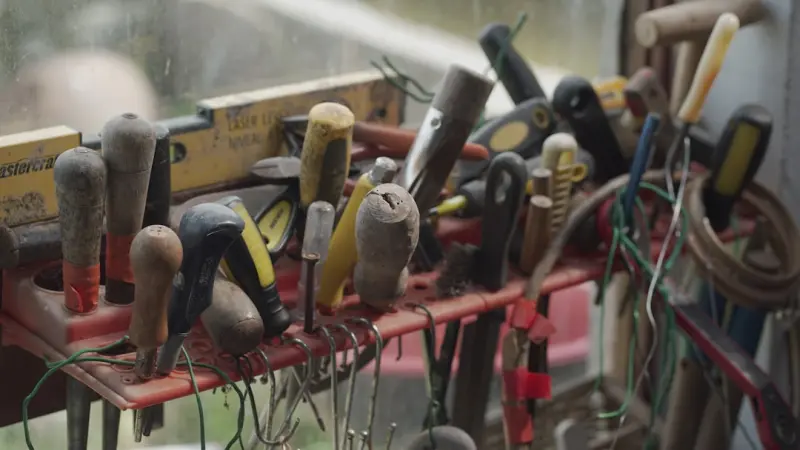
Why a Minimalist Tool Kit Beats a Full‑Garage Arsenal
When I first moved into my first apartment, I thought the key to successful DIY was a massive toolbox piled high with every specialty gadget imaginable. Six months later, that “everything‑but‑the‑kitchen‑sink” collection turned into a dust‑covered corner, and I realized I’d been buying tools for problems that never showed up. The lesson? Versatility trumps volume. A compact, thoughtfully curated kit not only frees up storage space, but it also forces you to understand each tool’s full potential, turning ordinary repairs into satisfying, low‑stress wins.
The Core Four: Tools That Do It All
Instead of chasing a niche screwdriver for every screw head, focus on four multi‑purpose tools that can handle a spectrum of tasks. Below is my go‑to lineup, each explained with the kinds of repairs you’ll master using just a single piece of equipment.
- Adjustable Ratchet Wrench with Interchangeable Heads – Ideal for plumbing fixtures, automotive bolts, and even furniture assembly. The ratchet mechanism saves time when you’re working in tight spaces, while the interchangeable heads let you switch from metric to imperial without swapping tools.
- Multi‑Bit Cordless Drill/Driver – A brushless motor, variable speed, and a set of interchangeable bits (Phillips, flat‑head, Torx, and a few specialty bits) make this the Swiss army knife of power tools. From hanging heavy artwork to drilling pilot holes for wall anchors, it’s a one‑stop solution.
- Utility Knife with Replaceable Blades – From trimming carpet padding to cutting drywall tape, a sharp, ergonomic utility knife is indispensable. The replaceable blade system ensures safety and precision without the need for a full‑size saw.
- Digital Multi‑Meter (with Auto‑Range) – Electrical troubleshooting often scares DIYers, but a user‑friendly auto‑range meter lets you test outlets, switches, and even check the health of your refrigerator’s compressor without a degree in engineering.
How to Leverage One Tool for Multiple Repairs
Below is a practical repair matrix that matches each tool to a set of common household issues. This approach helps you visualize how far a single piece of equipment can stretch.
- Adjustable Ratchet Wrench
- Fixing a leaky faucet by tightening compression fittings.
- Securing loose brackets on a bookshelf.
- Re‑tightening outdoor sprinkler connections after winter.
- Multi‑Bit Cordless Drill
- Installing a new light fixture (drilling through plaster).
- Mounting a wall‑mounted TV bracket.
- Repairing a cracked tile by drilling pilot holes for epoxy anchors.
- Utility Knife
- Cleaning out old caulking before re‑caulking a bathtub.
- Trimming excess vinyl flooring.
- Opening sealed paint cans without a can‑opener.
- Digital Multi‑Meter
- Testing a non‑functioning GFCI outlet.
- Checking for voltage drops in dimmer switches.
- Verifying the continuity of a dead refrigerator coil before calling a technician.
Seasonal Check‑Ins: When to Deploy Your Minimalist Kit
Home maintenance isn’t a one‑off project; it’s a series of seasonal touch‑points. By aligning tool use with the calendar, you keep your home in top shape without falling into the “big‑project” trap.
- Spring – Inspect and reseal exterior windows using the utility knife to trim old silicone and the ratchet wrench to adjust window hardware.
- Summer – Replace or tighten deck screws and railing bolts; the cordless drill makes quick work of any rusted or stripped holes.
- Fall – Run a quick GFCI test with the digital multi‑meter in the kitchen and garage before the heating season.
- Winter – Check for frozen pipes using the adjustable wrench to gently open shut‑off valves, preventing costly bursts.
Bridging the Gap: When Low‑Tech Meets High‑Tech
Even a minimalist toolbox can benefit from a little high‑tech assistance. For example, before you start tearing down a wall to replace insulation, a quick smart insulation audit can pinpoint thermal bridges you might otherwise miss. Similarly, a drone home inspection can reveal roof damage or gutter blockages without climbing a ladder—information you can then address with your core tools.
DIY Electrical: Staying Safe with a Multi‑Meter
Most DIYers shy away from anything involving electricity, fearing shocks or code violations. The truth is, a basic digital multi‑meter can demystify most low‑voltage problems. Here’s a quick three‑step process to safely troubleshoot a dead wall outlet:
- Turn off power at the breaker. Always verify the circuit is dead using the meter’s continuity setting.
- Remove the outlet cover. Use the adjustable wrench to loosen the mounting screws, then gently pull the outlet out.
- Test the wires. Set the meter to AC voltage; a healthy outlet should read roughly 120 V (or 230 V in regions outside North America). If you see no voltage, the issue is likely upstream—perhaps a tripped GFCI or a loose connection.
With the meter in hand, you can often resolve the issue on the spot, avoiding an expensive electrician call.
Plumbing Hacks Without a Full‑Pipe Kit
Plumbing emergencies are notorious for catching homeowners off‑guard. A simple adjustable ratchet wrench, a few universal pipe fittings, and a bit of plumber’s tape can solve most minor leaks. For example, a leaking shower valve can be fixed by:
- Shutting off the main water supply (the wrench helps turn the main valve).
- Using the wrench to remove the valve’s retaining nut.
- Replacing the worn O‑ring and re‑securing the nut.
If the leak persists, the same wrench can tighten a nearby supply line, often resolving the issue without further disassembly.
Flooring Fixes: From Loose Tiles to Scratched Wood
Floor repairs can look daunting, but with a cordless drill and a utility knife, you can tackle a surprising range of problems. Loose ceramic tiles? Use the drill to drive a thin, corrosion‑resistant anchor into the sub‑floor, then secure the tile with thin‑set mortar. Scratched hardwood? A utility knife helps trim away damaged veneer, while the drill can drive a matching wood plug into the gap, creating a seamless finish.
Maintaining Your Minimalist Arsenal
Even the most versatile tools need care. Here’s a quick maintenance checklist to keep your kit performing at peak efficiency:
- Wrenches – Wipe down after each use, lubricate moving parts with a light oil, and store in a dry environment to prevent rust.
- Drill/Driver – Keep batteries charged (or replace them if they no longer hold a charge). Periodically clean the chuck and replace worn brushes.
- Utility Knife – Change blades when they become dull; a dull blade is a safety hazard. Store the blade safely in a sheath.
- Digital Multi‑Meter – Calibrate annually, replace batteries, and test on a known circuit to ensure accuracy.
Scaling Up: When to Add a Specialty Tool
While a minimalist kit covers 80‑90 % of everyday repairs, there are moments when a specialty tool becomes a smart investment. If you find yourself repeatedly replacing kitchen cabinet hinges, a small hinge jig can save time and ensure perfect alignment. If you’re renovating a bathroom, a handheld pipe cutter makes clean cuts far easier than a wrench alone. The rule of thumb: add a new tool only after you’ve hit the same problem three times.
The Psychological Edge of a Minimalist Approach
There’s a subtle confidence boost that comes from knowing you have the right tool for the job, without the clutter that induces indecision. When you walk into a repair scenario with a clear mental map of which tool does what, you move faster, make fewer mistakes, and actually enjoy the process. This mental clarity mirrors the simplicity of the toolkit itself—fewer choices, more action.
Final Thoughts: DIY Mastery Starts With Less
In a world where new gadgets flood the market every week, the real power lies in mastering the basics. By concentrating on a minimalist, high‑impact tool kit, you’ll save money, reduce storage headaches, and become the go‑to problem solver in your home. And whenever a situation demands a deeper dive, you’ll know exactly which specialized tool to add—without falling into the trap of endless accumulation.

Lifan Chen is a freelancer based in Toronto specializing in marketing. With expertise in crafting effective marketing strategies and campaigns, Lifan helps businesses grow their brand presence and reach target audiences. As a Toronto-based freelancer, Lifan combines local market insights with creative marketing skills to deliver tailored solutions for clients.
Related Posts

The DIY Insulation Overhaul: Boost Comfort, Cut Bills, and Safeguard Your Home
Upgrade your home’s insulation with a hands‑on DIY guide that covers attic, wall, and floor proj... Read More

The Minimalist’s Blueprint for a DIY Home Repair Kit That Actually Works
A step‑by‑step guide to creating a minimalist repair kit, diagnosing issues, and tackling everyd... Read More
DIY Home Repair Toolkit: Simple Strategies for Everyday Fixes
Discover a practical DIY repair toolkit, step‑by‑step fixes for leaky faucets, squeaky doors, an... Read More
Top Posts

The Secret Language of Paint: How Color, Finish, and Prep Transform Your Home
Explore the hidden power of paint—learn to choose colors, finishes, and prep methods that instantly elevate your home’s style and comfort....Read More

Flexible Closet Architecture: Turning Wardrobe Space into a Productivity Engine
A modern closet can be a strategic asset—offering modular flexibility, sensor‑driven insights, and AR‑guided installation—to boost efficiency, sustainab...Read More

The Ultimate Renovation Checklist for a Healthy, Future‑Proof Home
A comprehensive, purpose‑driven renovation checklist that guides homeowners through budgeting, sustainable material selection, acoustic comfort, smart repurpo...Read More

Reimagining the Closet: Smart, Sustainable Solutions for Modern Living
Explore innovative closet strategies that blend modular systems, smart tech, and sustainable materials to create a flexible, stress‑free storage space tailore...Read More
0 Comments
Post Comment
You will need to Login or Register to comment on this post!