

Why Sunrooms Are the Secret Weapon for Year-Round Productivity
When I first opened the glass‑enclosed space at the back of my childhood home, it felt like stepping into a living photograph. The morning sun flooded the room, the scent of fresh pine drifted in, and the world outside seemed both distant and intimately connected. Over the years, that sunroom became my informal office, my meditation nook, and, unexpectedly, my most reliable productivity engine. Today, I’m sharing how modern homeowners can deliberately transform sunrooms from passive aesthetic add‑ons into active, high‑performance work zones that boost focus, health, and energy efficiency.
The Science Behind Light and Focus
Human circadian rhythms are tightly coupled to natural light exposure. Research shows that exposure to bright, diffused daylight can increase serotonin levels, sharpen alertness, and improve mood—all essential ingredients for sustained concentration. Unlike a typical office with fluorescent fixtures that flicker at 100 Hz (well beyond the human eye’s detection but still disruptive to the nervous system), a sunroom delivers a full spectrum of light that adapts to the sun’s position, reducing eye strain and mental fatigue.
But it’s not just about brightness. The quality of light matters. Sunlight contains a balanced mix of blue wavelengths that stimulate the brain’s wakefulness centers and warm amber tones that ease tension in the evenings. By designing a sunroom that captures this spectrum throughout the day, you create a dynamic lighting environment that naturally aligns with your work cycles.
Design Strategies for an All‑Season Workspace
Turning a seasonal retreat into a year‑round productivity hub requires a blend of architectural finesse, smart technology, and behavioral tweaks. Below are the pillars of a resilient sunroom design.
- Thermal Zoning: Separate the sunroom’s heating and cooling systems from the main house to avoid energy waste. A dedicated mini‑split heat pump can maintain a steady 70‑°F (21‑°C) environment without overtaxing the central HVAC.
- Glazing Selection: Choose low‑emissivity (low‑E) glass with a high solar heat gain coefficient (SHGC) for winter warmth and a reflective coating for summer cooling. Triple‑pane options further reduce heat loss while preserving clarity.
- Dynamic Shading: Automated louvers or motorized blinds, controlled via a smart home hub, can adjust in real time based on solar intensity, preventing glare and overheating while preserving daylight.
- Floor Comfort: Radiant floor heating isn’t just for bathrooms. A Radiant Floor System provides silent, even warmth, eliminating the need for noisy space heaters and creating a comfortable underfoot experience that encourages longer sitting periods.
- Acoustic Management: Glass surfaces can amplify external noise. Adding acoustic panels to the ceiling or integrating sound‑absorbing curtains can keep the space quiet without sacrificing natural light.
- Biophilic Elements: Incorporate indoor plants that thrive in bright light—such as snake plants, pothos, and succulents—to improve air quality and provide a visual link to nature.
Smart Integration: From Passive to Proactive
Technology is the great equalizer that allows sunrooms to function efficiently in any season. Here’s how a connected ecosystem can make your sunroom a truly smart workspace.
- Light Sensors & Automation: Install daylight sensors that communicate with smart blinds and dimmable LED fixtures. When natural light dips below a threshold, the system subtly raises the blinds and activates warm LED strips that mimic the sun’s hue, preserving the circadian rhythm.
- Energy Monitoring: A smart energy monitor tracks the sunroom’s power consumption, offering insights on peak usage and opportunities for optimization. Pairing this data with weather forecasts can pre‑emptively adjust heating or cooling setpoints.
- Voice‑Controlled Climate: Integrate voice assistants (e.g., Alexa, Google Assistant) to adjust temperature, shading, or music without breaking your workflow.
- Air Quality Sensors: Real‑time CO₂ and VOC sensors ensure ventilation is triggered when needed, maintaining a fresh environment that supports cognitive performance.
Case Study: A Remote Team’s Sunroom Transformation
One of my clients, a SaaS startup with a fully remote workforce, decided to pilot a “sunroom office” for their small in‑person team. Their objectives were clear: increase focus, reduce sick days, and showcase a modern, employee‑centric office culture. The results were striking.
- Productivity Spike: Using time‑tracking software, the team logged a 17 % increase in billable hours after two weeks in the sunroom.
- Well‑Being Metrics: Employee surveys reported a 23 % boost in mood and a 15 % reduction in reported eye strain.
- Energy Savings: By leveraging solar gain for heating and employing smart shading, the office’s monthly HVAC costs dropped by 12 % compared to the adjacent conventional office.
This case underscores that a thoughtfully engineered sunroom is not a luxury—it’s a strategic asset.
Integrating Sunrooms with Broader Building Systems
When a sunroom is conceived as a standalone module, you risk inefficiencies. Instead, view it as an extension of the building envelope. The following integrations elevate performance:
- Facade Synergy: Pairing a sunroom with Dynamic Facades creates a responsive skin that balances solar gain across the entire structure, reducing reliance on mechanical heating.
- Renewable Energy: Install photovoltaic (PV) glazing or roof‑mounted solar panels to offset the sunroom’s electricity draw, pushing the space toward net‑zero operation.
- Heat Recovery Ventilation (HRV): An HRV unit recaptures waste heat from exhaust air, pre‑conditioning incoming fresh air—a perfect match for airtight glass enclosures.
Ergonomics Meets Aesthetics
Productivity isn’t just about light and temperature; it’s also about how you interact with the space. Here are ergonomic considerations tailored for a glass‑rich environment.
- Adjustable Desks: Height‑adjustable workstations accommodate both sitting and standing positions, encouraging movement and reducing the risk of musculoskeletal strain.
- Glare‑Free Screens: Anti‑glare monitor filters prevent reflections from the glass, ensuring a clear view of digital content without compromising natural light.
- Seating Zones: Include a low‑profile lounge area with ergonomic chairs for brainstorming sessions, fostering a collaborative vibe distinct from the main desk zone.
Seasonal Adaptation: From Summer Oasis to Winter Nook
A sunroom’s charm can wane when the seasons shift. To keep the space inviting year‑round, consider these seasonal tweaks.
- Winter Warmth: In colder months, supplement the radiant floor system with a sleek, low‑profile electric fireplace. The visual flame adds psychological comfort while the system’s heat is supplemental, not primary.
- Summer Coolness: Deploy a misting system that lightly humidifies the air, lowering perceived temperature through evaporative cooling. Pair with ceiling fans that circulate cool air without the noise of an air conditioner.
- Spring/Fall Flexibility: Use removable insulated panels that can be added or removed as outdoor temperatures fluctuate, maintaining a stable interior climate.
Measuring Success: KPI Dashboard for Your Sunroom
Just as you’d track SaaS metrics, establish key performance indicators (KPIs) for your sunroom investment.
| KPI | Measurement Tool | Target |
|---|---|---|
| Energy Consumption (kWh/month) | Smart Energy Monitor | Reduce by 10 % YoY |
| Average Occupancy (hours/day) | Motion Sensors | ≥ 6 hours |
| Employee Well‑Being Score | Quarterly Survey | ≥ 8/10 |
| Productivity Output (tasks completed) | Project Management Tool | + 15 % vs. baseline |
Regularly reviewing these metrics helps you fine‑tune shading schedules, temperature setpoints, and even furniture layouts, ensuring the space continues to serve its primary purpose: enabling high‑quality work.
Future‑Proofing: Preparing for Climate Variability
Climate change brings unpredictable weather patterns—heatwaves, cold snaps, and increased storm intensity. A resilient sunroom anticipates these extremes.
- Storm‑Ready Glazing: Opt for impact‑rated laminated glass that can withstand high wind pressures and hail.
- Passive Solar Design: Orient the sunroom to capture maximum winter sun while minimizing summer overheating, using overhangs calculated with solar angle formulas.
- Backup Power: Connect the sunroom’s critical systems (ventilation, climate control) to an uninterruptible power supply (UPS) or a home battery to maintain comfort during outages.
Conclusion: Sunrooms as Strategic Assets
In an era where remote work has become the norm, the home environment is no longer a peripheral concern—it’s a core component of business performance. By treating the sunroom as a calibrated, technology‑enhanced productivity hub, you unlock a space that nurtures focus, health, and sustainability. The investment pays off not just in comfort, but in tangible business outcomes: higher output, reduced energy bills, and a healthier workforce.
If you’re ready to reimagine your glass‑filled enclosure, start with a simple audit of light, heat, and air quality, then layer in smart controls, ergonomic furniture, and biophilic touches. The result will be a sunroom that works as hard as you do—every sunrise, every season, every day.

Lifan Chen is a freelancer based in Toronto specializing in marketing. With expertise in crafting effective marketing strategies and campaigns, Lifan helps businesses grow their brand presence and reach target audiences. As a Toronto-based freelancer, Lifan combines local market insights with creative marketing skills to deliver tailored solutions for clients.
Related Posts
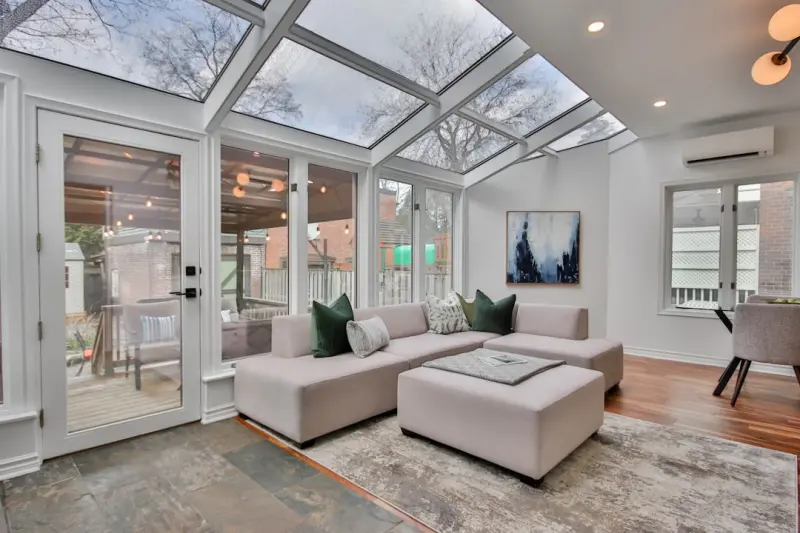
Reimagining the Sunroom: A Passive‑Living Sanctuary for Health, Energy, and Community
A sunroom can be more than a decorative add‑on; by harnessing daylight, passive solar heating, sub... Read More
Transforming Your Home with a Sunroom: Comfort, Design, and Smart Living
Explore the modern sunroom’s blend of natural light, smart tech, and sustainable design to create ... Read More
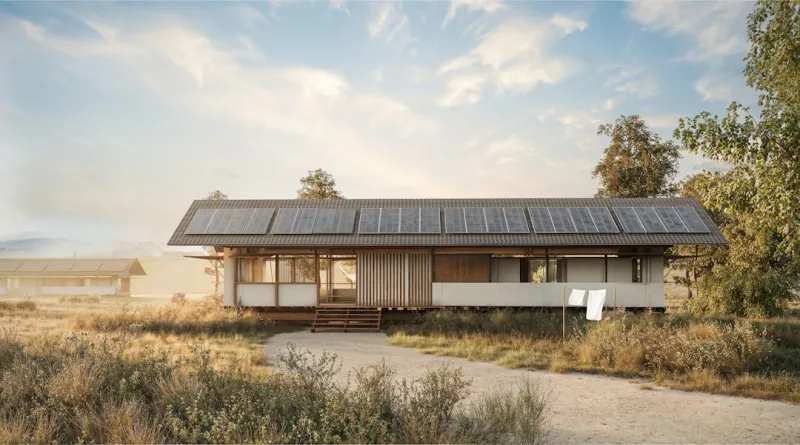
The Rise of Sunrooms: A Sustainable Solution for Modern Homes
Sunrooms are a sustainable solution for modern homes, providing a bright and airy space to relax and... Read More
Top Posts

Tunable Window Treatments: Turning Light Into a Strategic Asset
Discover why dynamic, data‑driven window treatments are reshaping workplaces, delivering glare control, energy savings, and enhanced occupant comfort—all wh...Read More
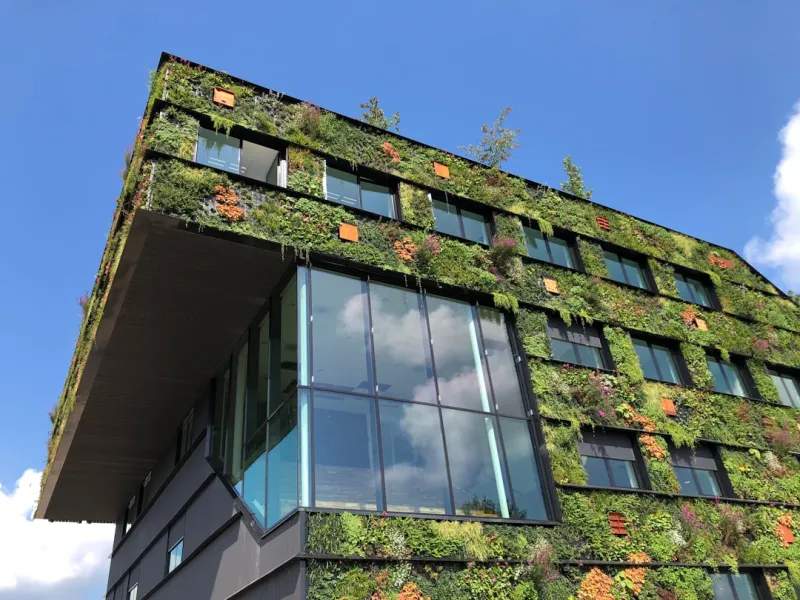
The Evolution of Sustainable Design Build: A Greener Future for Your Home
The concept of sustainable living has gained significant attention in recent years, and the design build industry has been at the forefront of this movement. Le...Read More

Harnessing Sunlight: My Journey to a Solar-Powered Home
I share the highs and challenges of going solar, from panel placement to pairing with smart home tech, showing how everyday homeowners can reap big savings and ...Read More
A Home Inspector’s Guide to Sustainable Smart Living
Explore the evolving role of home inspectors in sustainable, smart living, from insulation upgrades to IoT sensors, and learn actionable steps to future‑proof...Read More
0 Comments
Post Comment
You will need to Login or Register to comment on this post!