
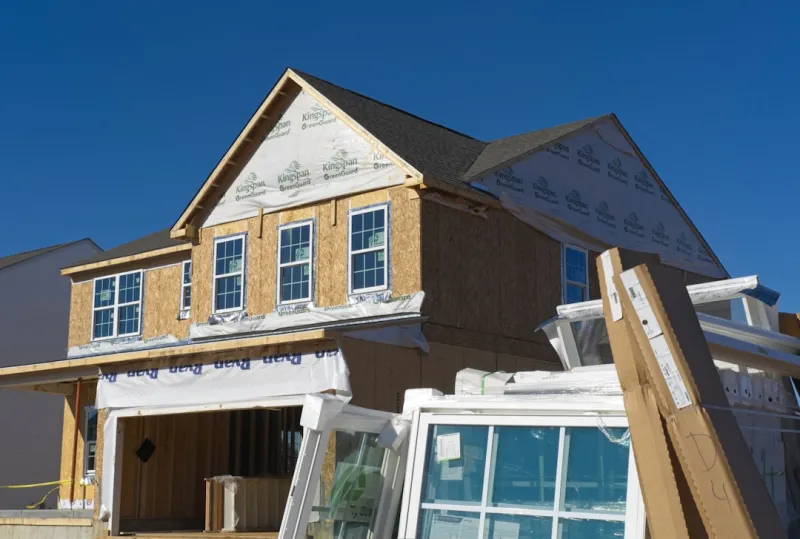
Sustainable Home Additions: How to Build a Greener Future
As a homeowner, you're likely no stranger to the idea of home additions. Whether you're looking to add more space for your growing family or simply want to update your existing layout, there are countless ways to approach a home addition project. However, with the increasing focus on sustainability and eco-friendliness, it's essential to consider the environmental impact of your renovation plans. In this article, we'll explore the world of sustainable home additions and provide you with practical tips and ideas for building a greener future.
When it comes to sustainable home additions, one of the most critical factors to consider is the materials you choose. Traditional building materials can have a significant environmental impact, from deforestation to energy consumption. However, there are many eco-friendly alternatives available that can help reduce your carbon footprint. For example, consider using reclaimed or recycled materials for your home addition, such as salvaged wood or repurposed metal. Not only can these materials add a unique touch to your renovation, but they can also help reduce waste and minimize the demand for new, resource-intensive materials.
The Benefits of Sustainable Home Additions
So, why should you consider sustainable home additions? For starters, eco-friendly renovations can help reduce your energy consumption and lower your utility bills. Additionally, sustainable materials and practices can improve indoor air quality and create a healthier living environment for you and your family. Furthermore, sustainable home additions can also increase your property value and appeal to environmentally-conscious buyers if you decide to sell in the future. According to recent studies, homes with eco-friendly features can sell for up to 10% more than comparable non-sustainable homes.
Another critical aspect of sustainable home additions is energy efficiency. One of the most effective ways to reduce energy consumption is to invest in renewable energy systems, such as solar panels or geothermal heating and cooling. These systems can provide a significant portion of your home's energy needs, reducing your reliance on fossil fuels and lowering your carbon footprint. If you're interested in learning more about renewable energy options for your home, be sure to check out our article on The Solar Energy Revolution: Harnessing the Power of the Sun.
Sustainable Materials and Practices
When it comes to sustainable materials and practices, there are many options to choose from. For example, consider using low-VOC (volatile organic compound) paints and finishes, which can help improve indoor air quality and reduce the risk of respiratory problems. Additionally, look for materials that are certified by organizations such as the Forest Stewardship Council (FSC) or the International Organization for Standardization (ISO). These certifications ensure that the materials meet rigorous environmental and social standards.
In addition to choosing sustainable materials, it's also essential to consider the construction process itself. One way to reduce waste and minimize environmental impact is to implement a zero-waste policy on your construction site. This can involve recycling materials, composting organic waste, and donating leftover materials to local charities. By taking a proactive approach to waste reduction, you can help minimize the environmental impact of your home addition and create a more sustainable future.
Integrating Sustainable Features into Your Home Addition
So, how can you integrate sustainable features into your home addition? One approach is to start with a thorough energy audit of your existing home. This can help identify areas of energy inefficiency and provide a roadmap for improvement. Additionally, consider incorporating passive design principles into your home addition, such as large windows, insulation, and natural ventilation. These features can help reduce your energy consumption and create a more comfortable living environment.
Another way to integrate sustainable features into your home addition is to consider incorporating green roofs or walls. These features can provide insulation, reduce stormwater runoff, and create habitats for local wildlife. Additionally, green roofs and walls can also add a unique touch to your home's design and increase its curb appeal. If you're interested in learning more about green roofs and walls, be sure to check out our article on The Evolution of Decking: How Sustainable Practices Are Changing the Game.
Conclusion
In conclusion, sustainable home additions are a great way to build a greener future and reduce your environmental impact. By choosing eco-friendly materials, investing in renewable energy systems, and incorporating sustainable practices into your construction process, you can create a more sustainable and environmentally-friendly home. Additionally, don't forget to consider integrating sustainable features into your home addition, such as green roofs and walls, passive design principles, and energy-efficient systems. With a little creativity and planning, you can create a sustainable home addition that not only benefits the environment but also enhances your quality of life.
Some key takeaways from this article include:
* Choose eco-friendly materials and practices to reduce your environmental impact * Invest in renewable energy systems to reduce your energy consumption * Incorporate sustainable features into your home addition, such as green roofs and walls * Implement a zero-waste policy on your construction site to minimize waste
By following these tips and ideas, you can create a sustainable home addition that benefits both you and the environment.
Final Tips and Recommendations
Finally, here are a few final tips and recommendations to keep in mind when planning your sustainable home addition:
- Research local and national incentives for sustainable home renovations
- Consult with a professional to ensure that your renovation plans meet local building codes and regulations
- Consider incorporating recycled or repurposed materials into your renovation plans
- Don't forget to prioritize energy efficiency and indoor air quality in your renovation plans
By following these tips and ideas, you can create a sustainable home addition that not only benefits the environment but also enhances your quality of life.
As you plan your sustainable home addition, remember to stay informed and up-to-date on the latest trends and technologies in sustainable home renovations. For more information on sustainable home additions and eco-friendly renovations, be sure to check out our article on Embracing Sustainable Kitchen Renovations: A Guide to Eco-Friendly Upgrades.

Kelly Reynolds is a dynamic freelance writer hailing from the picturesque landscapes of Alberta. A master of the written word, she juggles her passion for storytelling with the exhilarating chaos of being a mother to five spirited children. With an impressive portfolio that spans various genres, Kelly captivates readers through her engaging blog posts and thought-provoking articles.
Related Posts
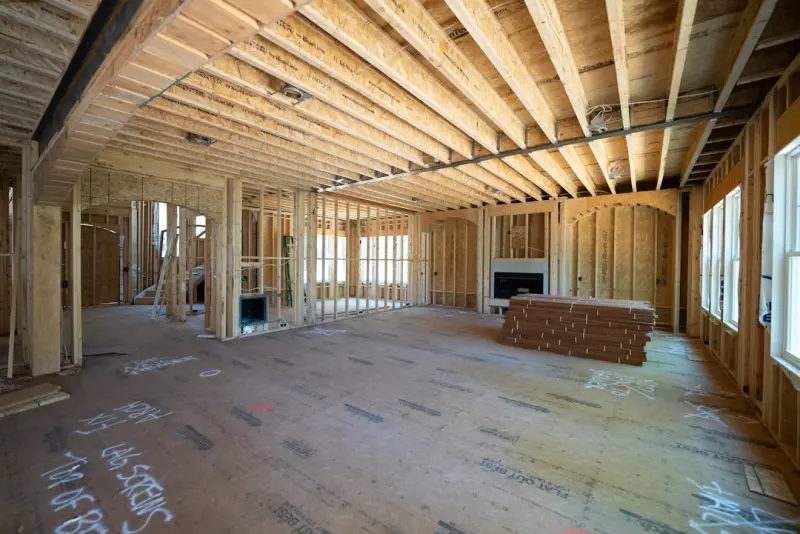
Creating a Multi‑Generational Home Addition That Works for Everyone
A multi‑generational home addition blends accessibility, flexibility, and smart design to keep fam... Read More

Designing a Home Addition That Grows With Your Family
A forward‑thinking guide to home additions that anticipate family milestones, incorporate flexible... Read More
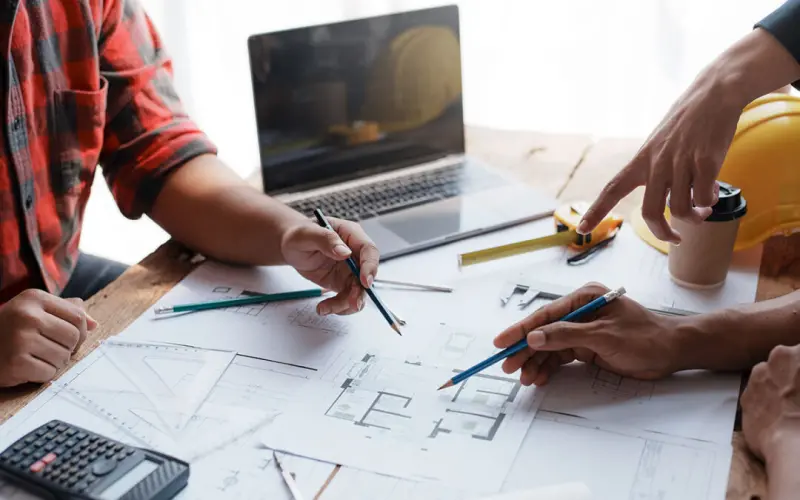
Designing a Seamless Home Addition: Balancing Lifestyle, Technology, and Future Growth
Learn to create a home addition that mirrors daily routines, integrates discreet technology, and sta... Read More
Top Posts
The Importance of Professional Carpet Cleaning for a Healthier Home
Dirty carpets can harbor allergens, dust mites, and bacteria that can exacerbate respiratory issues. Learn why professional carpet cleaning is crucial for a hea...Read More

The Ultimate Guide to Floor Heating Systems: Benefits, Types, and Installation
Floor heating systems provide efficient and comfortable heat for homes. Learn about the different types, benefits, and installation requirements to choose the r...Read More
Smart Gutters: How Connected Systems Protect Your Home and Save Money
Explore the rise of intelligent gutter solutions that detect clogs, redirect flow, and integrate with home automation, offering homeowners peace of mind and tan...Read More
Beyond the Gloss: Crafting Smart, Sustainable Bathrooms with Bathtub Refinishing
Bathtub refinishing is evolving from a quick fix to a platform for design, sustainability, and smart home integration, offering homeowners a high‑impact, lowâ...Read More
0 Comments
Post Comment
You will need to Login or Register to comment on this post!