
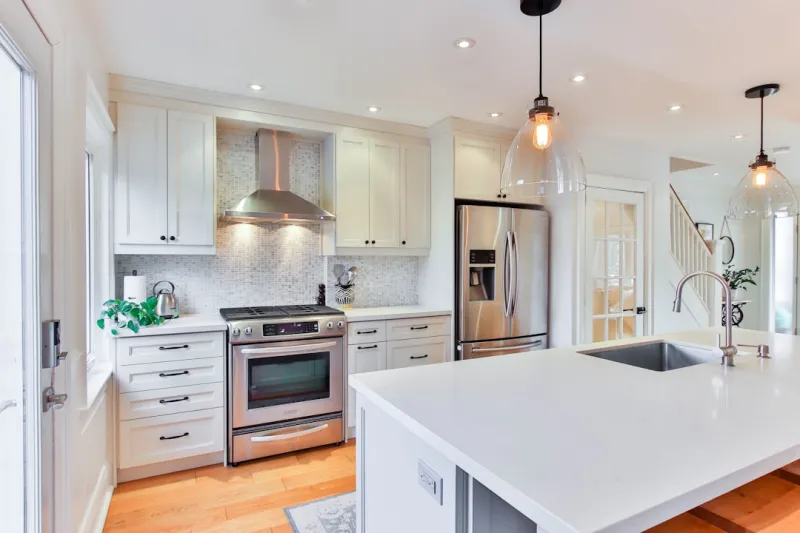
Embracing Sustainable Kitchen Renovations: A Guide to Eco-Friendly Upgrades
As homeowners, we strive to create a living space that's not only beautiful but also environmentally friendly. When it comes to kitchen renovations, making sustainable choices can have a significant impact on the environment and our health. In this article, we'll explore the importance of sustainable kitchen renovations and provide a comprehensive guide to eco-friendly upgrades.
Sustainable kitchen renovations involve more than just replacing old appliances with new ones. It's about creating a space that's energy-efficient, eco-friendly, and healthy. One of the first steps in achieving this is to assess your current kitchen and identify areas for improvement. This includes evaluating your energy consumption, water usage, and waste management.
Energy-Efficient Appliances
Replacing old appliances with energy-efficient ones is a great place to start. Look for appliances with the ENERGY STAR label, which indicates that they meet energy efficiency standards set by the U.S. Environmental Protection Agency. Sustainable windows and doors can also play a crucial role in reducing energy consumption. Consider replacing old windows with energy-efficient ones or adding skylights to maximize natural light.
Some popular energy-efficient appliances for the kitchen include:
- LED lighting
- Energy-efficient refrigerators and freezers
- Induction cooktops
- Microwaves with eco-friendly settings
Eco-Friendly Materials
When it comes to materials, there are many eco-friendly options to choose from. Consider using reclaimed wood for your cabinets, island, or flooring. Bamboo and cork are also sustainable options for flooring. For countertops, look for materials like recycled glass, concrete, or sustainably sourced stone.
In addition to choosing eco-friendly materials, consider reducing waste by repurposing or donating old materials. This can include donating old appliances, cabinets, or countertops to local charities or Habitat for Humanity.
Water Conservation
Water conservation is another important aspect of sustainable kitchen renovations. Installing low-flow faucets and dishwashers can significantly reduce water consumption. Consider installing a greywater system to reuse water from sinks, showers, and washing machines for irrigation and flushing toilets.
Some other water-conserving tips include:
- Installing a water-efficient dishwasher
- Using a water filter instead of bottled water
- Fixing leaks promptly to avoid wasting water
Waste Reduction and Management
Waste reduction and management are critical components of sustainable kitchen renovations. Consider installing a recycling center or composting bin to make it easy to recycle and compost. You can also reduce waste by choosing products with minimal packaging, buying in bulk, and avoiding single-use plastics.
Some other waste-reducing tips include:
- Using reusable bags and containers
- Composting food waste
- Donating or repurposing old materials
Healthy Indoor Air Quality
Healthy indoor air quality is essential for a sustainable kitchen. Consider installing a ventilation system that removes pollutants and moisture from the air. You can also improve indoor air quality by using non-toxic paints, adhesives, and cleaning products.
Some other tips for maintaining healthy indoor air quality include:
- Using a HEPA air purifier
- Removing shoes before entering the kitchen
- Avoiding strong chemicals and pesticides
Sustainable Kitchen Design
Sustainable kitchen design involves more than just choosing eco-friendly materials and appliances. It's about creating a space that's functional, efficient, and beautiful. Consider incorporating natural light into your design by installing skylights or larger windows.
Some other sustainable kitchen design tips include:
- Using a kitchen island or peninsula to reduce walking distances
- Installing a pot filler to reduce water waste
- Choosing a kitchen layout that promotes workflow and efficiency
The Benefits of Sustainable Kitchen Renovations
The benefits of sustainable kitchen renovations are numerous. Not only can you reduce your environmental impact, but you can also save money on energy bills and improve your health. Sustainable kitchen renovations can also increase the value of your home and provide a beautiful, functional space for cooking and entertaining.
Some other benefits of sustainable kitchen renovations include:
- Reduced energy consumption
- Lower water bills
- Improved indoor air quality
- Increased property value
Conclusion
Sustainable kitchen renovations involve more than just replacing old appliances with new ones. It's about creating a space that's energy-efficient, eco-friendly, and healthy. By choosing eco-friendly materials, energy-efficient appliances, and sustainable design principles, you can create a kitchen that's not only beautiful but also environmentally friendly. Remember to consider sustainable property maintenance practices to ensure your kitchen remains eco-friendly for years to come.
By following these tips and guidelines, you can create a sustainable kitchen that's not only good for the environment but also good for your health and well-being.
Final Tips and Recommendations
Finally, here are some final tips and recommendations for sustainable kitchen renovations:
- Research and plan carefully to ensure a successful renovation
- Choose eco-friendly materials and appliances
- Consider hiring a professional contractor with experience in sustainable renovations
- Don't forget to inspect and maintain your kitchen regularly to ensure it remains eco-friendly
By following these tips and guidelines, you can create a sustainable kitchen that's not only beautiful but also environmentally friendly.

When it comes to the world of blogging and writing, Rose DesRochers is a name that stands out. Her passion for creating quality content and connecting with her audience has made her a trusted voice in the industry. Aside from her skills as a writer and blogger, Rose is also known for her compassionate nature.
Related Posts
Modular Kitchen Islands: The Secret to a Flexible, Future‑Ready Home
A modular kitchen island transforms a static workspace into a versatile hub that can adapt to remote... Read More
The Kitchen as a Storytelling Canvas: Renovation Ideas That Engage All Senses
A kitchen renovation isn’t just about cabinets and appliances; it’s about crafting a space that ... Read More
Designing a Kitchen That Works: Flow, Function, and Future‑Proofing
I share the behind‑the‑scenes decisions that turned a cramped cooking space into a seamless, fut... Read More
Top Posts

Kitchen Renovations That Stand the Test of Time
A practical guide to building a kitchen that endures, with smart layout choices, durable materials, and forward‑thinking details that keep your space fresh fo...Read More

When Pavement Talks: How Sensor‑Embedded Roads Are Changing the Way We Build Cities
Sensor‑embedded pavement turns ordinary roads into continuous data sources, enabling predictive maintenance, smarter traffic management, and greener urban env...Read More

Rethinking Carpet Care: Less Is More
Learn why aggressive carpet cleaning can damage fibers and how low‑moisture extraction, smart tools, and sustainable practices keep your rugs looking fresh lo...Read More

Solar Energy: The Strategic Edge Your Business Isn’t Using
Solar is more than a green initiative; it’s a data‑rich, financially flexible, and brand‑amplifying platform. This post reveals how businesses can turn ro...Read More
0 Comments
Post Comment
You will need to Login or Register to comment on this post!