
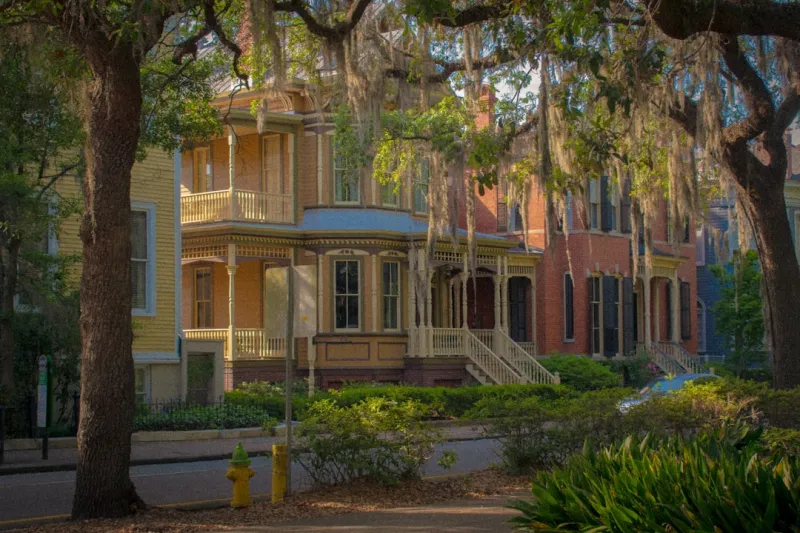
Why Home Restoration Feels Like a Personal Renaissance
Walking through a house that has seen better days is like stepping into a memory‑filled museum where every cracked plaster tells a story. As someone who has spent decades turning the “old” into the “awesome,” I’ve learned that restoration is more than patching walls—it’s about honoring the past while embracing the future. Every decision, from paint color to insulation type, reverberates through the home’s health, value, and the planet’s well‑being, so I approach each project with a blend of craftsmanship and conscience.
Starting with a Thorough, Sustainable Assessment
The first step is a systematic walk‑through that feels almost forensic, noting moisture patterns, structural stress points, and hidden energy leaks. I bring a moisture meter, a thermal camera, and a checklist that flags items like outdated wiring, warped flooring, or compromised foundations. This data‑driven audit prevents costly surprises later and sets the stage for targeted, eco‑friendly interventions. By documenting every flaw, I can prioritize fixes that deliver the greatest return on both budget and environmental impact.
Selecting Materials That Respect the Past and the Planet
Choosing the right materials is where creativity meets responsibility. Reclaimed wood, low‑VOC paints, and recycled‑content drywall not only reduce landfill waste but also lend authentic character to restored spaces. When I replace windows, I opt for triple‑pane glazing that meets Passive House standards, ensuring superior insulation without sacrificing historic aesthetics. These choices create a healthier indoor environment and lower utility bills, proving that sustainability and style are not mutually exclusive.
Energy‑Efficient Upgrades That Pay Off Quickly
Modern restoration offers a golden opportunity to integrate energy‑saving technologies without breaking the visual continuity of the home. Installing smart thermostats, LED lighting, and high‑efficiency HVAC units can shrink the home’s carbon footprint dramatically. I also recommend sealing ductwork and adding attic insulation, measures that often recoup their cost within a few years through reduced heating and cooling expenses. When homeowners see their energy bills dip, they instantly understand the tangible benefits of green upgrades.
Waterproofing: The Unsung Hero of Long‑Term Preservation
Moisture is the silent enemy of any restoration effort, capable of turning beautiful renovations into a mold‑infested nightmare. By applying modern, breathable waterproof membranes and ensuring proper drainage, I create a barrier that lets walls “breathe” while keeping water out. For a deeper dive into these techniques, explore Mastering Modern Waterproofing: Sustainable Solutions for a Dry Home, which outlines the latest products and installation tips that keep homes dry for decades.
Gutter Systems That Do More Than Channel Water
Often overlooked, gutters are a critical line of defense against water damage, especially in older homes with porous roof materials. Upgrading to seamless, recyclable aluminum or copper gutters equipped with leaf guards not only enhances durability but also reduces maintenance frequency. I recommend a design that channels rainwater into rain barrels for irrigation, turning a protective element into a resource‑saving feature. Learn why this matters in Why Your Gutters Need a Sustainable Upgrade, where I break down cost‑effective options and installation tricks.
DIY vs. Professional: Knowing When to Roll Up Your Sleeves
There’s a satisfying empowerment in handling minor repairs yourself, yet some tasks demand the precision of a seasoned contractor. Simple jobs—like repainting a room or swapping out faucet washers—can be tackled with basic tools and a willingness to learn. For larger undertakings, such as structural reinforcement or complex electrical work, professional expertise safeguards both safety and compliance. My guide DIY Home Repairs: Sustainable Solutions From a Veteran Contractor offers a clear roadmap to decide which projects belong in the DIY lane and which deserve a pro’s touch.
Finishing Touches That Fuse Heritage with Modern Comfort
The final phase of restoration is where personality shines through—selecting fixtures, hardware, and décor that echo the home’s era while embracing contemporary comfort. Think reclaimed brass door handles, energy‑efficient LED chandeliers housed in vintage cages, and reclaimed tile mosaics that add texture without the environmental cost of new production. These thoughtful details create a cohesive narrative that honors the building’s story and invites the future to write its own chapters.
Leaving a Legacy of Sustainable Beauty
When the dust settles and the last board is nailed, the true measure of success is the home’s renewed vitality and its reduced impact on the environment. A thoughtfully restored house stands as a testament to the power of blending tradition with innovation, offering occupants health, comfort, and pride. By adopting sustainable practices at every step—from assessment to final décor—you not only increase property value but also contribute to a greener, more resilient community. Ready to transform your space? Let’s start the conversation and turn your restoration dreams into a responsible reality.

Lifan Chen is a freelancer based in Toronto specializing in marketing. With expertise in crafting effective marketing strategies and campaigns, Lifan helps businesses grow their brand presence and reach target audiences. As a Toronto-based freelancer, Lifan combines local market insights with creative marketing skills to deliver tailored solutions for clients.
Related Posts
Sustainable Home Restoration: A Greener Future for Your Home
Sustainable home restoration is a critical step towards creating a greener future for our homes and ... Read More
Facade Revival: Sustainable Strategies for Restoring Your Home’s Exterior
A comprehensive guide walks you through diagnosing, reinforcing, insulating, and finishing your home... Read More

Breathing New Life into Aging Woodwork: A Craftsman's Roadmap
Learn how to assess, repair, and protect historic woodwork using modern tools and techniques, ensuri... Read More
Top Posts

The Importance of Tree Care: A Comprehensive Guide
Tree care is crucial for maintaining the beauty and health of your property. Learn about the importance of pruning, planting, and maintenance to ensure your tre...Read More
Turn Your Kitchen Into a Modular Cooking Lab for Endless Creativity
Explore a fresh take on kitchen renovations: modular islands, adaptable appliances, and smart storage that turn any kitchen into a dynamic cooking laboratory....Read More
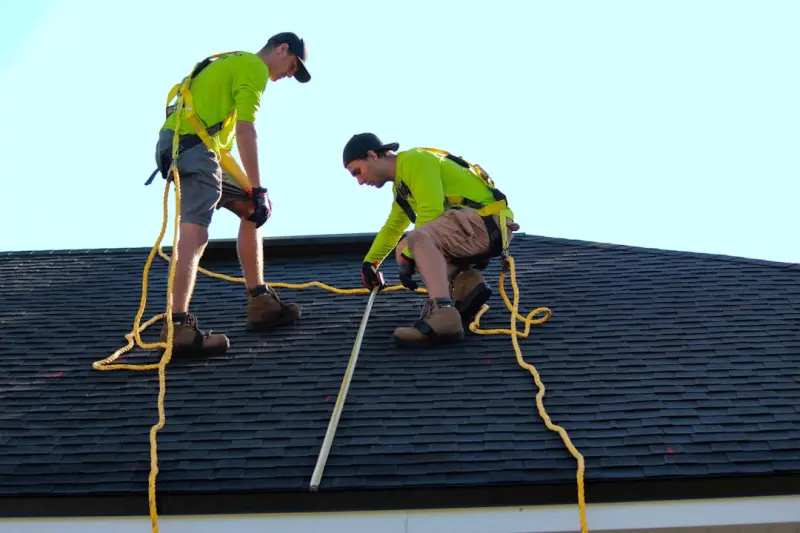
Roofing Reinvented: From Passive Shield to Intelligent Energy Platform
A modern roof can do far more than keep the elements out. By adding sensors, adaptive membranes, solar panels, and drone‑based inspections, owners turn roofs ...Read More
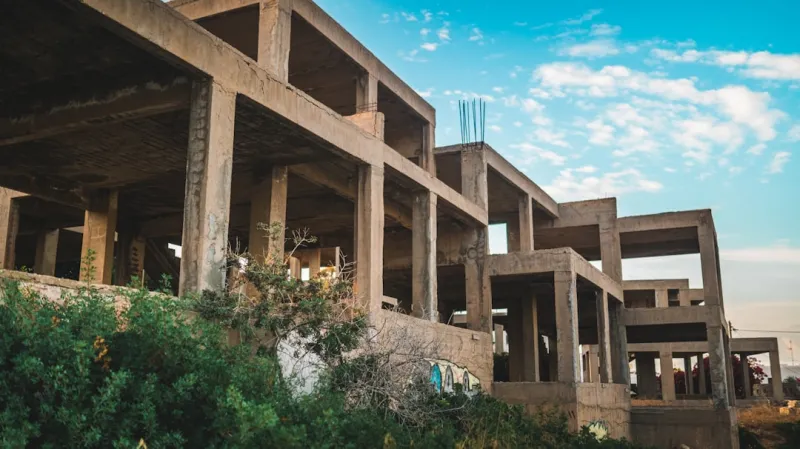
The Foundation of Sustainability: How Eco-Friendly Construction is Revolutionizing the Industry
The construction industry is undergoing a significant transformation. Eco-friendly construction practices are becoming increasingly popular, and it's not just a...Read More
0 Comments
Post Comment
You will need to Login or Register to comment on this post!