
Embracing Sustainable Home Restoration: A Path to Energy Efficiency and Environmental Responsibility
As a homeowner, there's no denying the importance of maintaining and restoring your property to ensure its longevity and value. However, with the growing awareness of environmental issues and the need for sustainable living, it's essential to incorporate eco-friendly practices into your home restoration projects. In this article, I'll share my insights on the significance of sustainable home restoration, its benefits, and practical tips to help you get started on your journey.
Sustainable home restoration is not just about reducing your carbon footprint; it's also about creating a healthier and more energy-efficient living space. By incorporating sustainable materials, reducing energy consumption, and implementing eco-friendly practices, you can significantly lower your utility bills and contribute to a more environmentally responsible future. One of the primary steps in achieving sustainable home restoration is to conduct an energy inspection. This process helps identify areas of energy inefficiency and provides a roadmap for improvement. For more information on the importance of energy inspections, check out The Foundation of Sustainable Construction: Why Energy Inspections Matter.
The Benefits of Sustainable Home Restoration
Sustainable home restoration offers numerous benefits, including reduced energy consumption, lower utility bills, and a healthier living environment. By using sustainable materials and practices, you can also increase your property's value and appeal to eco-conscious buyers if you decide to sell in the future. Moreover, sustainable home restoration can help reduce waste, minimize environmental impact, and promote a more sustainable lifestyle. For instance, incorporating sustainable lawn care practices, such as using native plants and reducing water consumption, can significantly lower your environmental footprint. Learn more about sustainable lawn care practices in The Importance of Sustainable Lawn Care Practices.
Practical Tips for Sustainable Home Restoration
When it comes to sustainable home restoration, there are several practical tips to keep in mind. First, start by assessing your home's energy efficiency and identifying areas for improvement. This may involve upgrading to energy-efficient windows, adding insulation, or installing solar panels. Next, consider using sustainable materials, such as reclaimed wood, bamboo, or low-VOC paints, to reduce your environmental impact. Additionally, incorporate eco-friendly practices, such as reducing water consumption, using energy-efficient appliances, and implementing a recycling program. For more information on sustainable materials and practices, check out Sustainable Windows and Doors: A Guide to Energy-Efficient Home Upgrades.
The Role of Window Treatments in Sustainable Home Restoration
Window treatments play a crucial role in sustainable home restoration, as they can significantly impact energy efficiency and indoor air quality. By choosing energy-efficient window treatments, such as thermal curtains or shades, you can reduce heat loss and gain, lower your utility bills, and create a healthier living environment. Moreover, window treatments can also enhance your home's aesthetic appeal and provide a level of privacy and security. For more information on window treatments, check out The Ultimate Guide to Window Treatments: Style, Function, and Energy Efficiency.
Common Mistakes to Avoid in Sustainable Home Restoration
When embarking on a sustainable home restoration project, it's essential to avoid common mistakes that can undermine your efforts. One of the most significant mistakes is failing to conduct a thorough energy inspection, which can lead to missed opportunities for improvement. Another mistake is using non-sustainable materials or practices, which can negate the environmental benefits of your project. Finally, avoid neglecting to consider the long-term costs and benefits of your project, as this can lead to financial and environmental drawbacks.
The Future of Sustainable Home Restoration
The future of sustainable home restoration is bright, with more homeowners and builders embracing eco-friendly practices and materials. As technology continues to evolve, we can expect to see new and innovative solutions emerge, such as energy-harvesting windows and solar roof tiles. Moreover, governments and organizations are increasingly promoting sustainable building practices, providing incentives and resources for homeowners and builders to adopt eco-friendly methods. By staying informed and adapting to these changes, you can ensure that your home restoration project is not only sustainable but also forward-thinking.
Conclusion
In conclusion, sustainable home restoration is a critical aspect of maintaining and restoring your property while promoting environmental responsibility. By incorporating eco-friendly practices, using sustainable materials, and conducting energy inspections, you can create a healthier, more energy-efficient living space that benefits both you and the environment. Remember to stay informed, adapt to new technologies and trends, and prioritize sustainability in your home restoration projects. For more information on sustainable home restoration and energy efficiency, check out Why Energy Inspections Are Crucial For A Sustainable Future.
Final Tips and Recommendations
Finally, here are some final tips and recommendations for sustainable home restoration:
- Conduct a thorough energy inspection to identify areas for improvement.
- Use sustainable materials, such as reclaimed wood and low-VOC paints.
- Incorporate eco-friendly practices, such as reducing water consumption and using energy-efficient appliances.
- Consider upgrading to energy-efficient windows and adding insulation.
- Stay informed and adapt to new technologies and trends in sustainable home restoration.
By following these tips and prioritizing sustainability, you can create a healthier, more energy-efficient living space that benefits both you and the environment.

Kelly Reynolds is a dynamic freelance writer hailing from the picturesque landscapes of Alberta. A master of the written word, she juggles her passion for storytelling with the exhilarating chaos of being a mother to five spirited children. With an impressive portfolio that spans various genres, Kelly captivates readers through her engaging blog posts and thought-provoking articles.
Related Posts
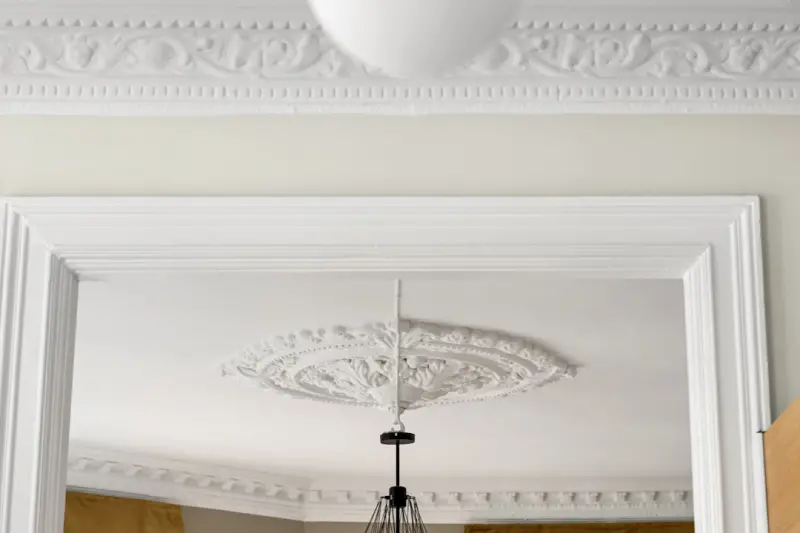
Reviving Classic Crown Molding: A Modern Homeowner’s Restoration Guide
Learn to breathe new life into historic crown molding using practical cleaning, repair, and finish t... Read More

Reviving Your Home's Former Glory: A Comprehensive Guide to Sustainable Home Restoration
Sustainable home restoration is about creating a living space that's not only beautiful but also sus... Read More
Sustainable Home Restoration: Turning Old Spaces into Green Havens
Learn to revitalize your home responsibly: assess structure, choose green materials, integrate smart... Read More
Top Posts
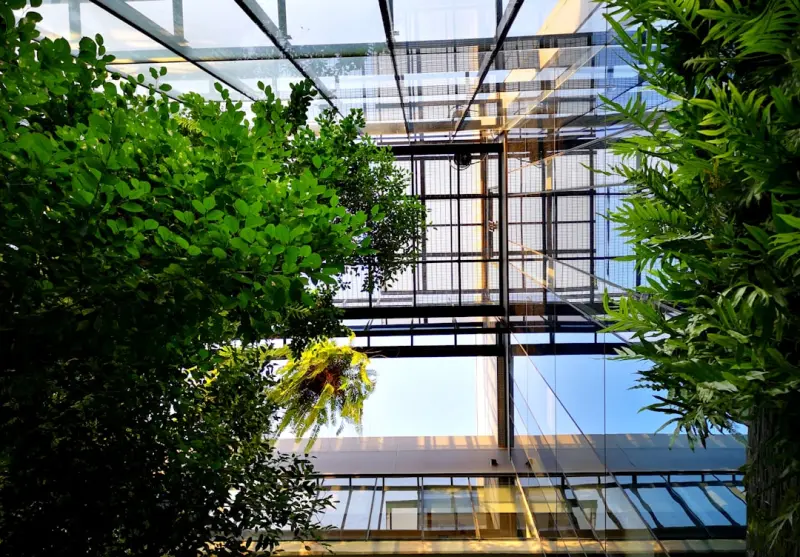
Bringing Nature Inside: How Biophilic Commercial Renovations Drive Business Success
Explore the power of biophilic design in commercial renovations—learn how natural elements improve health, productivity, and ROI while creating adaptable, fut...Read More
Pocket Greenhouses: Big Harvests From Tiny Spaces
Learn how to create a pocket greenhouse that maximizes limited outdoor space, offering continuous fresh produce, decorative foliage, and a touch of indoor‑out...Read More
Harvesting Rain: How Modern Gutter Systems Power Sustainable Buildings
Rain‑harvesting gutters transform a simple roof accessory into a powerful sustainability tool, delivering water savings, protecting foundations, and enhancing...Read More
The Sustainable Paving Revolution: A Greener Future for Your Outdoor Space
Join the sustainable paving revolution and create a greener future for your outdoor space. Learn about the latest trends in sustainable paving solutions, includ...Read More
0 Comments
Post Comment
You will need to Login or Register to comment on this post!