
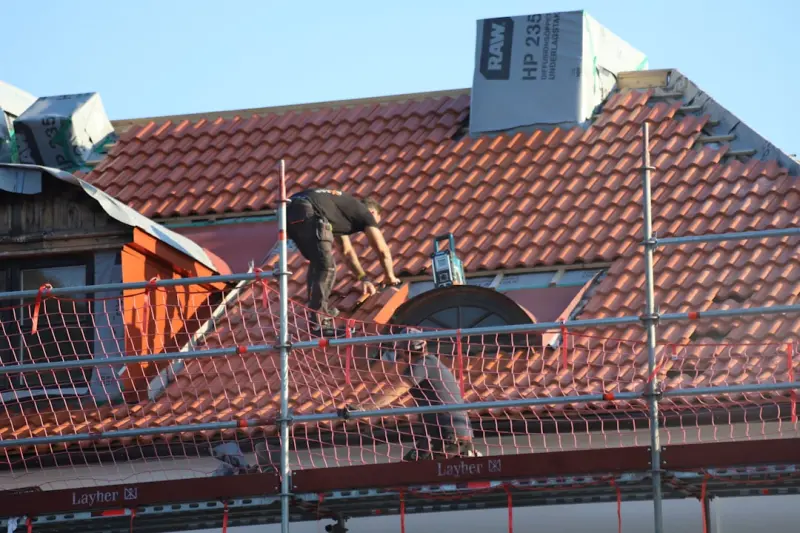
Why Your Roof Deserves a Strategic Upgrade, Not Just a Repair
When I first stepped onto a construction site fresh out of trade school, the roof was the last thing on my mind. It was a canvas for the next big project—a place to hoist steel, lay insulation, and finally slap on a shingle blanket. Decades later, after countless roof failures, insurance claims, and sleepless nights watching water streak down a ceiling, I’ve learned that a roof is far more than a protective shell. It’s a strategic asset that can drive energy savings, extend building life, and even become a revenue generator.
The Hidden Economics of a Healthy Roof
Most property owners view a roof as a line‑item expense: “We need a new roof, let’s get the cheapest shingles and get it over with.” That mindset ignores three crucial economic levers:
- Lifecycle Cost Reduction – A well‑designed roof can outlast its nominal service life by 20‑30 % thanks to proper ventilation, moisture control, and material selection.
- Energy Performance – Reflective coatings, cool‑roof membranes, and integrated solar can shave 5‑15 % off heating and cooling bills.
- Revenue Streams – Leasing roof space for solar panels or green‑roof farms creates a steady income that offsets the initial capital outlay.
Ignoring these levers means you’re paying for a roof twice: once for the installation and again for the inefficiencies it creates.
From Passive Shield to Active Platform
Modern roofing is evolving from a passive barrier to an active platform. Think of it as a digital‑ready, climate‑responsive system that works in concert with the building’s envelope. Here’s how:
- Integrated Sensors – IoT temperature, moisture, and wind sensors feed real‑time data to a building management system, flagging potential leaks before they become catastrophic.
- Adaptive Coatings – Thermochromic paints shift color based on sun intensity, balancing heat gain and loss without user intervention.
- Hybrid Solar‑Roof Tiles – Unlike traditional panels, these tiles blend seamlessly with the roof’s aesthetic while generating power, preserving curb appeal.
These technologies aren’t just for “smart” buildings; they’re becoming affordable for mid‑size commercial properties and even high‑end residential homes.
Climate Resilience Starts at the Top
Extreme weather events are no longer outliers. Hurricanes, hailstorms, and wildfires are reshaping the risk landscape for property owners. A resilient roof does three things:
- Withstands Impact – Impact‑resistant membranes and reinforced shingle systems can survive hail and wind speeds that would rip a standard roof apart.
- Manages Water – Properly designed slopes, drip edges, and high‑capacity flashing divert water away from vulnerable points, reducing the chance of infiltration.
- Facilitates Recovery – Modular roofing panels allow for quick, targeted replacement of damaged sections rather than a full‑scale tear‑off.
Investing in these attributes now can dramatically lower insurance premiums and reduce downtime after a storm.
Choosing the Right Material for Your Climate Zone
There’s a myth that “all roofs are created equal.” The reality is that material performance varies dramatically by climate:
| Material | Best Climate | Key Benefits |
|---|---|---|
| Metal Standing Seam | Cold & Snowy | Snow shedding, longevity, reflectivity |
| Clay/Concrete Tile | Hot & Dry | Thermal mass, fire resistance |
| EPDM Rubber Membrane | Wet & Humid | Waterproofing, flexibility |
| Cool‑Roof Coated Asphalt | Mixed/Urban | Reduced heat island effect, energy savings |
When I advise clients, I start with a climate‑zone analysis, then match material attributes to their performance goals. It’s a simple step that saves headaches down the road.
Maintenance: The Proactive Playbook
Even the toughest roof will degrade over time. The secret isn’t “fix it when it breaks” – it’s a proactive maintenance schedule that catches issues early. Here’s a playbook I’ve refined over 25 years:
- Quarterly Visual Inspections – Look for cracked shingles, clogged valleys, and damaged flashing.
- Bi‑annual Drainage Tests – Verify that gutters and downspouts clear water at a rate of at least 5 gpm per inch of pipe.
- Annual Infrared Thermography – Detect hidden moisture pockets or insulation gaps before they cause rot.
- Sensor‑Driven Alerts – Install a simple green roof strategy sensor suite that notifies you of abnormal moisture levels.
These tasks are low‑cost compared to emergency roof replacement, and they keep your warranty intact.
Permits and Planning: A Smooth Path to Installation
One of the most underestimated hurdles is the permitting process. In many municipalities, a roof replacement can trigger a review of structural loads, fire codes, and even historic preservation statutes. Skipping this step can result in costly re‑work.
My advice? Treat the permit as a strategic partner, not a bureaucratic hurdle. Engage the local building department early, present a clear permit navigation plan, and you’ll often find they’ll fast‑track a project that aligns with community goals—especially if you’re adding sustainability features.
Roofing and the Circular Economy
We’re in the early stages of a circular roofing economy. Here’s how you can be a part of it:
- Reclaimed Materials – Salvaged metal panels and reclaimed slate can be re‑fabricated for new roofs, reducing landfill waste.
- Recyclable Membranes – Some modern EPDM and TPO membranes are 100 % recyclable at the end of their service life.
- Up‑Cycle Waste – Shingle granules can be processed into road‑base material or landscaping mulch.
Clients love the story of a roof that not only protects but also gives back to the environment.
Case Study: Turning a Flat Roof Into a Revenue Engine
Last year I worked with a 40,000 sq ft warehouse in the Midwest. The building had an aging built‑up roof that leaked every spring. Instead of a straight replacement, we proposed a hybrid solution:
- Install a high‑performance EPDM membrane with integrated solar tiles.
- Lay a lightweight green‑roof system on 30 % of the surface for storm‑water retention.
- Embed IoT sensors for real‑time performance monitoring.
The results were striking:
- Annual energy cost reduction of 12 %.
- Additional $15,000 in solar lease revenue.
- Insurance premium drop of 8 % due to the roof’s impact resistance.
This example underscores how a holistic approach to roofing can unlock hidden value.
Future‑Facing Roof Design Checklist
When you’re ready to elevate your roof from a “necessary evil” to a strategic asset, run through this checklist:
- Assess climate and load requirements.
- Choose material with proven durability for your zone.
- Plan for integrated renewable or green features.
- Incorporate sensor technology for ongoing health monitoring.
- Map out a proactive maintenance schedule.
- Secure permits early, highlighting sustainability benefits.
- Consider end‑of‑life recyclability.
Following these steps positions your roof as a long‑term investment rather than a recurring expense.
Closing Thoughts
Roofing isn’t just about keeping the rain out; it’s about optimizing performance, reducing risk, and generating value. If you’ve been treating your roof as a “set‑and‑forget” component, it’s time for a mindset shift. Embrace the technology, plan for resilience, and think in terms of lifecycle economics. The payoff isn’t just a dry attic—it’s a stronger balance sheet, happier occupants, and a roof that works for you.

Craig Brett is a freelancer with a passion for the outdoors. His love for nature inspires his work, bringing authentic and engaging perspectives to projects related to outdoor activities, adventure, and environmental topics.
Related Posts
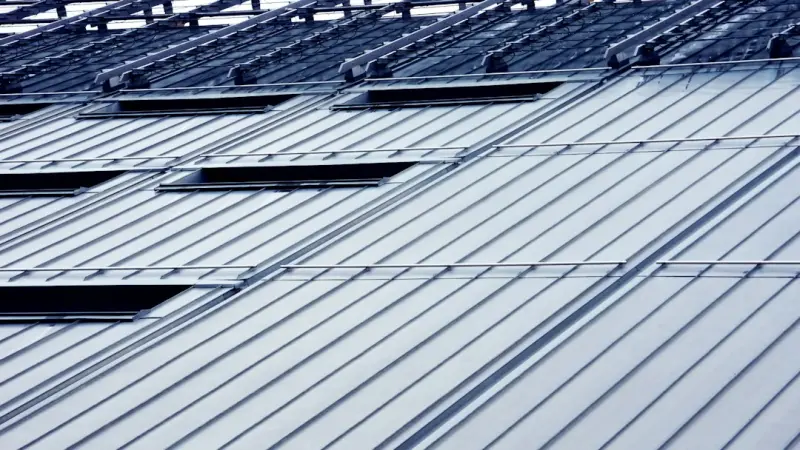
Why Cool Roofs Are the Unsung Heroes of Energy Efficiency
Cool roofs reflect sunlight and emit heat, lowering indoor temperatures and energy use. Learn how th... Read More

Roof Health 2.0: How Drones and AI Are Transforming Building Resilience
Drones equipped with multispectral cameras and AI analytics are turning roofs into real‑time healt... Read More
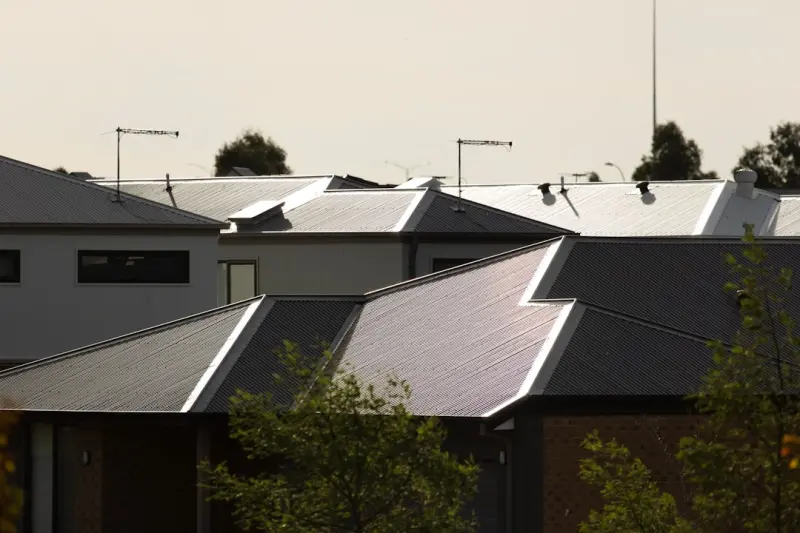
Why Modern Roofs Should Be Smart, Sustainable, and Stylish
Explore innovative roofing strategies that blend smart sensors, sustainable materials, and artistic ... Read More
Top Posts

DIY Home Repairs: A Beginner's Guide to Getting Started
Get started with DIY home repairs and develop the skills and confidence you need to tackle more complex projects. Learn the basics, safety precautions, and tips...Read More
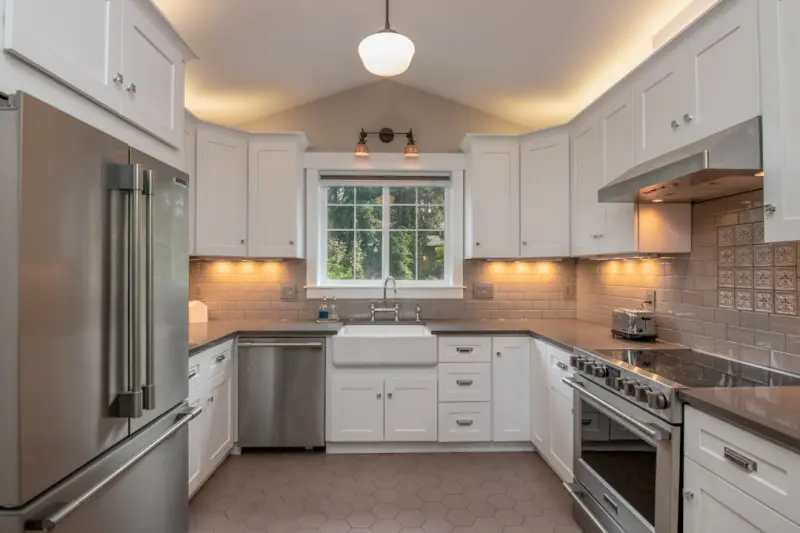
Reimagining Kitchen Renovations: The Rise of Modular, Zero‑Waste Design
A deep dive into how modular construction and zero‑waste materials are redefining kitchen renovations, offering homeowners lasting flexibility, reduced waste,...Read More
Modular Electrical Architecture: Building a Scalable, Resilient Power Backbone
A deep dive into modular electrical architecture reveals how interchangeable, intelligent power modules can replace traditional breaker panels, enabling scalabl...Read More

The Rise of Sustainable Wallpapering: A New Era for Interior Design
Sustainable wallpapering is a growing trend in interior design. Learn about the benefits, materials, and techniques that are making it possible to create eco-fr...Read More
0 Comments
Post Comment
You will need to Login or Register to comment on this post!