

Why Traditional Closets No Longer Fit Modern Lifestyles
Most homeowners still treat closets like afterthoughts, tucking them into corners and assuming a handful of shelves will suffice for years to come, but the reality is that our wardrobes have exploded in size, variety, and purpose, demanding far more flexible storage solutions than a static rod can provide. When a closet cannot adapt to seasonal shifts, work‑from‑home attire, or the sudden influx of hobby gear, frustration mounts and clutter seeps into the rest of the home, eroding both aesthetic appeal and mental clarity. The result is a space that feels cramped, disorganized, and ultimately useless—a silent drain on daily efficiency and peace of mind.
The Psychology Behind Decluttering and Smart Storage
Research shows that visual chaos triggers stress hormones, while orderly environments boost dopamine and improve focus, meaning that the way we store clothing and accessories directly influences our emotional state; a well‑designed closet becomes a sanctuary rather than a source of anxiety. By embracing the principle of “visible simplicity,” where every item has a designated home and is easy to retrieve, we train our brains to associate the wardrobe with calm, encouraging more mindful purchasing and less impulsive buying. This subtle shift in mindset not only reduces the time spent searching for a favorite pair of shoes but also cultivates a habit of regular wardrobe reviews, keeping the collection lean and purposeful.
Modular Systems: Building a Closet That Grows With You
Modular closet components function like LEGO for adults, allowing you to add, remove, or rearrange sections as your needs evolve, whether you’re transitioning from a college dorm to a family home or downsizing after a major life change. The beauty of these systems lies in their interchangeable rails, adjustable hanging rods, and stackable cubes that can be mixed with drawers, shoe racks, or open baskets, creating a bespoke layout without the need for costly custom carpentry. Because each module snaps into place with a simple tool‑free mechanism, you can experiment with configurations seasonally, ensuring the space always feels fresh and perfectly tailored to your current lifestyle.
Integrating Technology for a Next‑Level Closet Experience
Smart closets are no longer the realm of futuristic concept sketches; today’s market offers RFID tags, automated lighting, and even voice‑controlled inventory apps that sync with your phone, giving you real‑time insight into what you own and what you need. Imagine a sensor‑driven shelf that dims when you approach, or a mirror that displays outfit suggestions based on weather forecasts and calendar events, all powered by low‑energy Bluetooth modules that blend seamlessly into the woodwork. By embedding these subtle technologies, you transform a mundane storage area into an interactive hub that streamlines daily routines and eliminates the guesswork of outfit planning.
Seasonal Rotation Strategies for Minimalist Living
One of the most effective ways to keep a closet lean is to adopt a systematic seasonal rotation, storing out‑of‑season garments in labeled bins or vacuum‑sealed bags that slide neatly into the uppermost shelves, freeing up prime hanging space for current wear. This approach not only protects delicate fabrics from dust and sunlight but also creates a visual cue that reminds you to evaluate each piece’s relevance each time you switch collections, fostering a habit of intentional curation. By pairing rotation with clear labeling and color‑coded bins, the process becomes a quick, almost ritualistic activity that reinforces the minimalist ethos without sacrificing style.
Eco‑Friendly Materials: Sustainable Choices for Long‑Lasting Closets
Choosing reclaimed wood, bamboo panels, or recycled metal fittings for your closet framework dramatically reduces the environmental footprint while delivering durability and a unique aesthetic that ages gracefully over time. These materials often come with lower VOC emissions, contributing to healthier indoor air quality—a critical factor for spaces where clothing rests for months on end. Additionally, opting for modular accessories made from biodegradable or recyclable components ensures that when you eventually reconfigure or upgrade your system, you’re not sending unnecessary waste to landfills.
Case Study: Transforming a Simple Storage Unit into a Closet Powerhouse
When I first tackled a cramped hallway closet, I treated it like a miniature interior project, stripping away generic shelves and installing a series of modular cubes, pull‑out drawers, and a hidden LED strip for ambience. By referencing the principles outlined in reimagining a storage space into a creative retreat, I discovered that the same strategic zoning used for a garden shed can be applied to a wardrobe, creating distinct zones for work attire, casual wear, and accessories. The result was a fluid, multifunctional area that feels larger than its footprint, proving that a thoughtful redesign can turn even the most overlooked nooks into high‑performing storage ecosystems.
Future Trends: What the Next Decade Holds for Closet Innovation
Looking ahead, we can expect closets to become even more integrated with home automation platforms, offering predictive inventory alerts that suggest when to donate or recycle items based on usage patterns, as well as kinetic energy harvesters that power built‑in lighting from everyday movement. Advances in 3D‑printed custom brackets will enable homeowners to fabricate bespoke fittings on demand, eliminating the wait for specialized components and further personalizing the storage experience. As sustainability remains a driving force, manufacturers will increasingly adopt circular design principles, ensuring that every component of a closet can be disassembled, refurbished, or repurposed at the end of its life cycle, closing the loop on waste.

Tom Ferguson is a Canadian freelance writer with a passion for storytelling, current events, and thoughtful commentary. Drawing on years of writing experience, he shares engaging insights on a wide range of topics, bringing a uniquely Canadian perspective to his work.
Related Posts
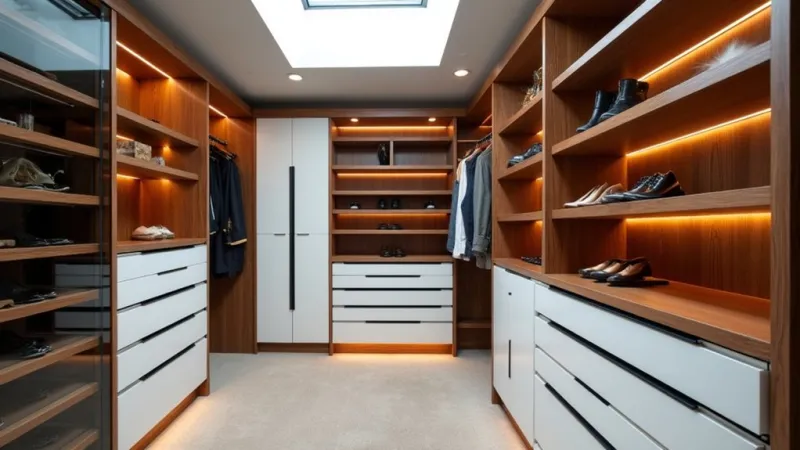
Unlock Your Home's Potential: The Transformative Power of Smart Closets and Storage
Transform your home from cluttered chaos to calm and efficiency with smart closet and storage soluti... Read More
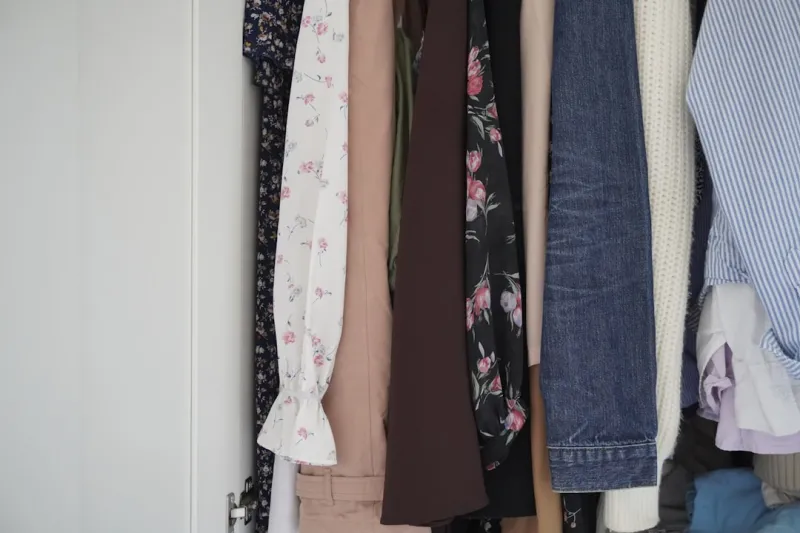
Revamp Your Closet: Smart Storage Solutions That Boost Space and Sustainability
Learn how to overhaul your closet with modular shelving, vertical storage, and sustainable materials... Read More
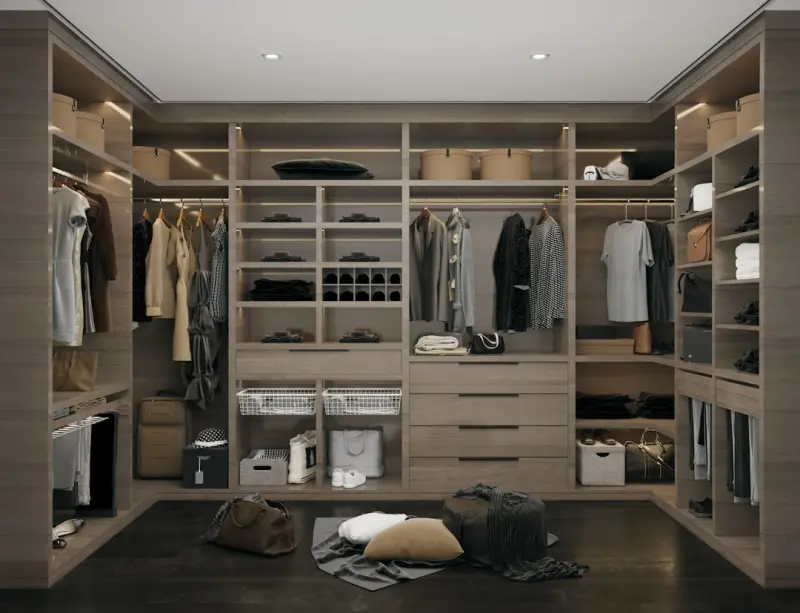
Why Smart Closets Are the Next Productivity Hack for Modern Offices
A deep dive into how smart closets, equipped with sensors and AI, turn ordinary storage into a dataâ... Read More
Top Posts

From Backyard Shed to Sustainable Sanctuary: My Hands‑On Guide
Learn how I turned a basic backyard shed into a versatile, eco‑friendly retreat—covering location, materials, solar power, comfort, and future‑proofing st...Read More

Breathing New Life into Historic Woodwork: A Craftsman's Restoration Guide
Discover a step‑by‑step guide to restoring crown molding, trim, and other original wood details, blending timeless craftsmanship with modern durability....Read More

Electrical Safety and Home Restoration: A Comprehensive Guide
Electrical safety is crucial during home restoration. Learn how to prioritize electrical safety, prevent electrical hazards, and create a safe living space with...Read More

The Intersection of Lawn Care and Sustainable Home Design
As a homeowner, maintaining a lush and vibrant lawn can be a point of pride. However, traditional lawn care practices can have a significant impact on the envir...Read More
0 Comments
Post Comment
You will need to Login or Register to comment on this post!