
When I first walked into a client’s living room and felt the subtle hum of a well‑tuned space, I realized that interior design is less about the objects we place and more about the experiences we curate. The most memorable rooms aren’t the ones with the flashiest furniture; they’re the ones that engage every sense, inviting you to linger, breathe, and feel grounded. In this post I’ll walk you through the emerging discipline of sensory interior design—how to weave sight, sound, touch, scent, and even taste into the fabric of a home, creating environments that nurture both body and mind.
Seeing Beyond Color: Light, Shadow, and Visual Rhythm
Most designers start with a color palette, but true visual storytelling begins with light. Natural daylight is the most dynamic element we have; it changes tone, temperature, and intensity throughout the day. By positioning windows, skylights, and light‑well openings strategically, you can choreograph a room’s mood without a single paint swatch.
- Layered lighting. Combine ambient (overhead), task (under‑cabinet, desk), and accent (sconces, picture lights) sources. Each layer should have its own dimming control, allowing occupants to dial the atmosphere up or down as the day progresses.
- Dynamic glazing. Modern low‑E glass can shift its tint based on solar exposure, reducing glare while preserving views. This subtle transition adds a kinetic quality to walls that would otherwise feel static.
- Visual rhythm. Repeating geometric forms—like a series of narrow vertical slats or a grid of recessed niches—creates a sense of order that the eye can follow, subtly guiding movement through a space.
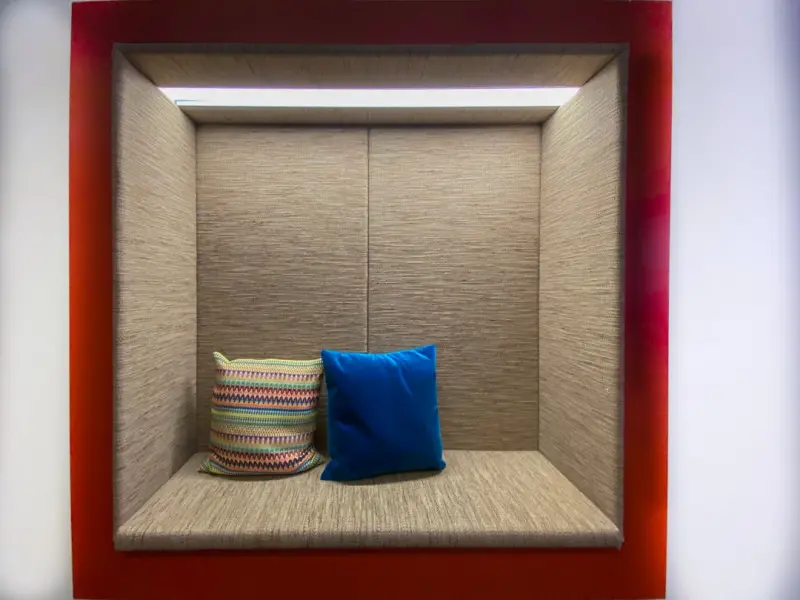
When I paired a muted charcoal wall with a series of narrow, backlit niches, the room gained depth without a single piece of art. The light bounced off the glossy finish, creating a quiet, almost meditative pulse that made the space feel larger than its square footage.
Soundscapes: The Underrated Design Element
Acoustics are often relegated to “rooms where you watch TV,” yet sound influences how comfortable a space feels. Hard surfaces reflect sound, creating echo, while soft surfaces absorb it. Balancing the two can make a room feel intimate or expansive.
- Absorptive panels. Fabric‑wrapped acoustic panels can double as decorative art. Choose textures that complement your color scheme and install them at ear level for maximum effect.
- Strategic placement of soft furnishings. A plush rug, heavy drapes, and upholstered seating act as natural sound absorbers, muting street noise and creating a cocooning effect.
- White‑noise integration. Subtle background sounds—like a gentle water fountain or a low‑frequency hum—can mask unwanted external noise. When done correctly, it becomes part of the room’s personality rather than a distraction.
In a recent project I transformed a bustling downtown loft by adding a series of acoustic design strategies typically reserved for gyms. The result was a surprisingly serene living area where the city’s hum faded into a gentle backdrop.
Texture: Tactile Narratives That Invite Touch
Touch is the most direct sense—we often judge a space by the feel of its surfaces. Texture can convey warmth, luxury, or ruggedness, and it should evolve throughout a room to keep the experience dynamic.
- Mixed material palettes. Pair smooth marble countertops with reclaimed wood shelves. The contrast creates a dialogue between refinement and authenticity.
- Layered textiles. Think beyond a single sofa fabric. Combine a woven throw, a linen cushion, and a velvet ottoman. Each piece offers a different tactile invitation.
- Surface treatments. Hand‑brushed plaster, matte concrete, or brushed metal can serve as subtle focal points. They reward close inspection and add depth without clutter.
During a renovation of a historic townhouse, I introduced a series of next‑gen tile innovations that featured a lightly textured surface. The tiles felt cool underfoot in summer and retained a soft warmth in winter, reinforcing the home’s seasonal narrative.
Scent: The Invisible Architecture
Smell has a direct line to memory and emotion, yet it’s rarely planned with the same rigor as color or layout. A well‑chosen scent can reinforce a design concept and even influence behavior.
- Natural aromatics. Incorporate plants such as lavender, rosemary, or eucalyptus, which release gentle fragrances while improving indoor air quality.
- Diffuser design. Choose diffusers that match your décor—think ceramic vessels or sleek metal rods—to keep the scent delivery system from feeling like an afterthought.
- Zoned scents. Use different aromas in distinct zones (citrus in the kitchen, sandalwood in the bedroom) to create a subconscious map of the home.
In a boutique office space I consulted on, a subtle hint of bergamot in the reception area boosted client morale, while a calming chamomile scent in conference rooms helped focus discussions. The scent strategy became a silent but powerful branding tool.
Flavor: When the Kitchen Becomes a Sensory Hub
While “taste” may seem out of place in interior design, the kitchen is the heart of the home and deserves a holistic approach. The materials you choose for countertops, backsplashes, and cabinets can affect not just aesthetics but also the cooking experience.
- Heat‑responsive surfaces. Some advanced countertop materials change color subtly when warm, giving a visual cue of cooking progress.
- Integrated storage for fresh produce. Built‑in herb gardens or refrigerated drawers keep ingredients at peak flavor, encouraging healthier cooking habits.
- Ergonomic layout. The classic “work triangle”—sink, stove, refrigerator—should be refined with modern movement patterns, ensuring the chef can glide through tasks without fatigue.
By aligning the kitchen’s tactile and visual cues with its functional needs, the space transcended a mere prep area and became a venue for culinary inspiration.
Holistic Integration: A Step‑by‑Step Framework
Designing a truly sensory environment can feel overwhelming. Below is a practical workflow that helps you embed each sense systematically.
- Audit the existing space. Walk through the room and note the dominant sensory inputs—bright light, echoing sound, rough textures, or stale air.
- Define the emotional goal. Ask yourself: Do I want this room to energize, calm, or intrigue? Your answer will guide the sensory hierarchy.
- Map the senses. Assign each sense a priority level. For a meditation room, sound and scent might rank highest; for a creative studio, light and texture may dominate.
- Select interventions. Choose one or two interventions per sense. Overloading a space can create sensory fatigue.
- Prototype and test. Use temporary elements—fabric swatches, portable speakers, essential‑oil diffusers—to gauge the impact before committing to permanent installations.
- Refine and finalize. Adjust based on feedback and observe how occupants interact over weeks. Fine‑tune dimmers, speaker volumes, or scent diffusion rates as needed.
This framework ensures that each sensory decision is purposeful, not decorative, and that the final design feels cohesive rather than a collage of unrelated trends.
Technology Meets Tradition: Smart Yet Subtle
While the focus of this article is on the human experience, technology can amplify sensory design when applied judiciously. For instance, automated shading systems can modulate daylight intensity, and AI‑driven climate controls can maintain a consistent temperature that supports both comfort and acoustic performance.
However, the technology should remain invisible. An intelligent floor maintenance system can keep carpets pristine without interrupting the tactile experience. The key is to let technology work in the background, allowing the senses to remain front and center.
Case Study: A Sensory Retreat in an Urban Condo
One of my favorite recent projects was a 900‑square‑foot condo perched on a bustling city avenue. The client, a freelance graphic designer, craved a sanctuary where creativity could flow uninterrupted.
Visual strategy: I introduced a floor‑to‑ceiling window wall with automated blinds that gradually lowered at sunset, preserving the panoramic view while reducing glare.
Acoustic approach: Acoustic panels disguised as abstract art were installed behind the designer’s desk, absorbing ambient street noise and creating a quiet bubble for deep work.
Texture layering: The living area featured a plush wool rug, a reclaimed‑wood coffee table, and a velvet sofa, each offering a distinct tactile cue that invited touch.
Scent design: A discreet diffuser released a blend of citrus and pine in the daytime to stimulate focus, shifting to lavender in the evening to promote relaxation.
The result was a space that felt both connected to the city’s energy and insulated from its chaos—a perfect illustration of sensory design’s power to reconcile opposing forces.
Future Trends: The Rise of Multi‑Sensory Spaces
Looking ahead, we’ll see interiors that adapt in real time to occupants’ moods and activities. Imagine a bedroom that senses when you’re preparing for sleep and automatically dims lights, lowers ambient sound, and diffuses calming aromas. While such integrations are still emerging, the foundational principle remains the same: design for the whole human experience.
In the coming years, designers will likely collaborate more closely with neuroscientists, material scientists, and technologists to craft environments that not only look beautiful but also enhance wellbeing on a physiological level. The challenge—and opportunity—will be to keep the human touch at the core of these innovations.
Takeaway: Design With All Five Senses in Mind
Interior design is evolving from a visual art into a full‑body experience. By intentionally curating light, sound, texture, scent, and even taste, you can create spaces that resonate deeply with occupants, fostering productivity, relaxation, and joy. Start small—perhaps by swapping a harsh LED for a warm, dimmable fixture or adding a scented candle to a reading nook. As you become comfortable with each sensory layer, you’ll find your design vocabulary expanding in ways you never imagined.
Remember, the most memorable rooms are those that feel alive, that speak to you in whispers of light, the rustle of fabric, the hum of a well‑tuned acoustic backdrop, and the gentle perfume of fresh herbs. Embrace the sensory, and watch your interiors transform from static backdrops into living, breathing companions.

Paul Gray is a dynamic blogger based in Brampton, where he shares his life with his amazing wife, Sarah. Known for his engaging writing style and relatable insights, Paul has carved out a niche in the blogging world that resonates with readers from all walks of life. When he's not crafting captivating posts, you can find him savoring a cold beer or indulging in the latest blockbuster movie. With a friendly demeanor and a passion for storytelling, Paul brings a unique perspective to his work, making him not just a blogger, but a voice for those who appreciate the simple joys of life.
Related Posts

Lighting as Narrative: Crafting Mood with Layered Light
Explore the power of layered lighting—ambient, task, and accent—to create mood, support function... Read More
Designing a Sustainable Smart Sanctuary: Trends That Transform Your Home
Explore how eco‑friendly materials, smart window treatments, and multifunctional furniture combine... Read More
Designing Spaces That Listen: The Quiet Revolution in Interior Design
A deep dive into how acoustic treatments, biophilic touches, adaptive lighting, and modular furnitur... Read More
Top Posts

The Intelligent Alarm System: Turning Reactive Alerts into Proactive Business Security
A deep dive into the evolution of alarm systems, showing how AI, IoT integration, and community networks transform traditional alerts into proactive, privacy‑...Read More

Concrete Reimagined: From Brutalism to Biophilic Brilliance
Concrete is evolving beyond its traditional role, offering ultra‑high‑performance strength, 3D‑printing flexibility, acoustic mastery, and low‑carbon op...Read More

Solar‑Infused Biophilic Design: Turning Light into Wellness
A deep dive into how solar‑powered glazing, adaptive lighting, and living walls combine to transform offices, schools, and homes into wellness‑focused envir...Read More

Reimagining Building Foundations for a Sustainable Future
Foundations are the hidden heroes of any building; this post reveals how low‑carbon mixes, micro‑scale weatherproofing, and intelligent sensor networks can ...Read More
0 Comments
Post Comment
You will need to Login or Register to comment on this post!