
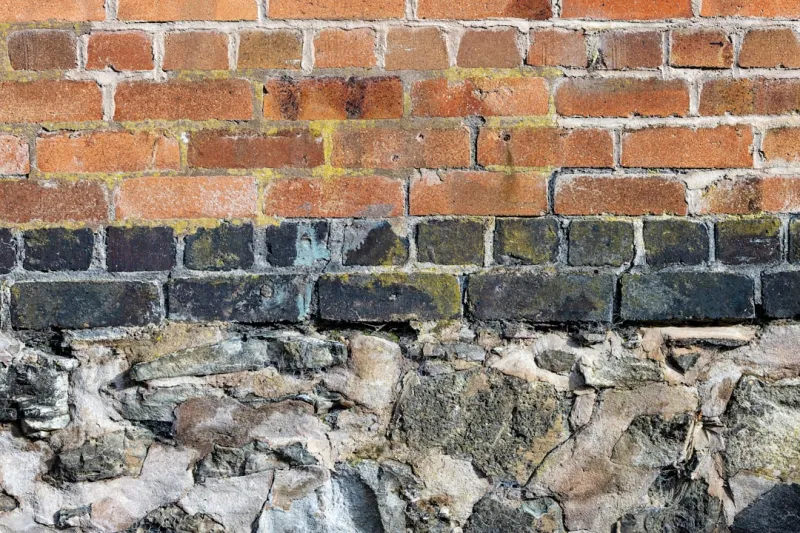
The Evolution of Masonry: A Comprehensive Guide to Modern Techniques and Materials
As a seasoned construction expert with years of experience in the field, I've had the privilege of witnessing the evolution of masonry firsthand. From traditional stonework to modern concrete innovations, the industry has undergone significant transformations over the years. In this article, I'll share my insights on the latest techniques and materials that are changing the game for masons and homeowners alike. Whether you're a seasoned pro or a DIY enthusiast, this comprehensive guide will provide you with valuable information to elevate your masonry skills.
Masonry has been a cornerstone of construction for centuries, with ancient civilizations using stone and brick to build monumental structures that still stand today. However, as technology advances and new materials emerge, the art of masonry continues to evolve. One of the most significant developments in recent years has been the introduction of insulation materials that can be integrated into masonry walls. According to my previous article on The Evolution of Insulation, modern insulation materials like foam board and reflective insulation have made it possible to build more energy-efficient homes that reduce heat loss and gain.
Traditional Masonry Techniques
Despite the advancements in technology, traditional masonry techniques remain an essential part of the craft. Laying bricks and stones requires a great deal of skill and patience, as well as a deep understanding of the materials and the structure being built. As a mason, I can attest to the importance of mastering traditional techniques, such as troweling and pointing. These skills are not only essential for building sturdy structures but also for creating visually appealing designs that enhance the aesthetic of a building. For example, a well-crafted brick wall can add a touch of elegance to any room, much like a beautifully designed woodworking project can elevate a home's interior.
Modern Masonry Materials
In addition to traditional techniques, modern masonry materials have also revolutionized the industry. Concrete, for instance, has become a popular choice for building foundations, walls, and floors due to its strength and durability. Other materials like glass block and architectural concrete have also gained popularity in recent years, offering a range of aesthetic and functional benefits. When working with these materials, it's essential to consider factors like energy efficiency and sustainability, which is why I always recommend conducting an energy inspection before embarking on a masonry project.
The Benefits of Masonry
So, why choose masonry over other construction methods? For one, masonry structures are incredibly durable and can last for decades with minimal maintenance. They also offer a level of thermal mass that can help regulate indoor temperatures, reducing the need for heating and cooling. Furthermore, masonry can be an aesthetically pleasing option, with a range of materials and techniques available to create unique and visually appealing designs. Whether you're building a new home or renovating an existing one, masonry is definitely worth considering.
Masonry in Home Renovations
When it comes to home renovations, masonry can play a critical role in structural repairs and aesthetic upgrades. Whether you're looking to repair a damaged chimney or install a new stone fireplace, masonry can help you achieve your goals. As I discussed in my article on Bathroom Renovations, masonry can be used to create stunning bathroom features like tile showers and soaking tubs. By incorporating masonry into your renovation plans, you can add value and functionality to your home.
The Future of Masonry
As the construction industry continues to evolve, it's exciting to think about what the future holds for masonry. With advancements in technology and materials, we can expect to see even more innovative and sustainable solutions emerge. For instance, 3D printing is becoming increasingly popular in the construction industry, allowing masons to create complex structures and designs with ease. Whether you're a seasoned pro or a DIY enthusiast, staying up-to-date on the latest trends and techniques is essential for success in the world of masonry.
Conclusion
In conclusion, the evolution of masonry has come a long way, from traditional stonework to modern concrete innovations. As a construction expert, I'm excited to see where the industry goes from here. Whether you're building a new home or renovating an existing one, masonry is a versatile and durable option that's worth considering. By mastering traditional techniques and staying up-to-date on the latest materials and trends, you can create stunning structures that will last for generations to come.
Recommended Reading
For more information on related topics, I recommend checking out the following articles:
- Wood Working Wonders: How This Timeless Craft Can Elevate Your Home
- The Evolution of Insulation: How Modern Materials Are Changing the Game
- The Importance of Energy Inspections in Home Renovations
By following these resources and staying informed, you can take your masonry skills to the next level and create beautiful, functional structures that will stand the test of time.

David MacKinnon is a dynamic freelance writer known for his captivating storytelling and keen insights into the world of technology. With a passion for exploring the intersection of innovation and everyday life, he crafts engaging narratives that not only inform but also inspire his readers.
Related Posts

Masonry’s Quiet Revolution: Sustainable Strength for Modern Homes
Discover why masonry’s thermal mass, fire resilience, and eco‑friendly sourcing make it the perf... Read More
Crafting Timeless Masonry Features for Today’s Homes
Explore the enduring appeal of masonry, from design planning and landscape integration to low‑main... Read More
The Sustainable Future of Masonry: Trends and Innovations
The masonry industry is evolving, with a growing focus on sustainability. Learn about the latest tre... Read More
Top Posts

Smart Garage Construction: Building a Future‑Ready Home Hub
A modern garage can be more than a parking spot. Learn how to design a multi‑purpose, energy‑efficient hub that supports workouts, workshops, EV charging, a...Read More

The Plumbing Trends Shaping Homes Today
From smart leak detection to eco‑friendly fixtures, I share the plumbing trends reshaping our homes, plus practical DIY fixes and the signs that it’s time t...Read More

Future‑Ready Garage Design: From Car Shelter to Multi‑Use Hub
Learn how to turn a traditional garage into a versatile, energy‑efficient hub that supports cars, workshops, home offices, and even autonomous vehicle tech....Read More

The Hidden Dangers of Dirty Ducts: Why Duct Cleaning Matters
Dirty ducts can lead to reduced indoor air quality, increased energy bills, and costly repairs. Learn why duct cleaning matters and how it can benefit your home...Read More
0 Comments
Post Comment
You will need to Login or Register to comment on this post!