
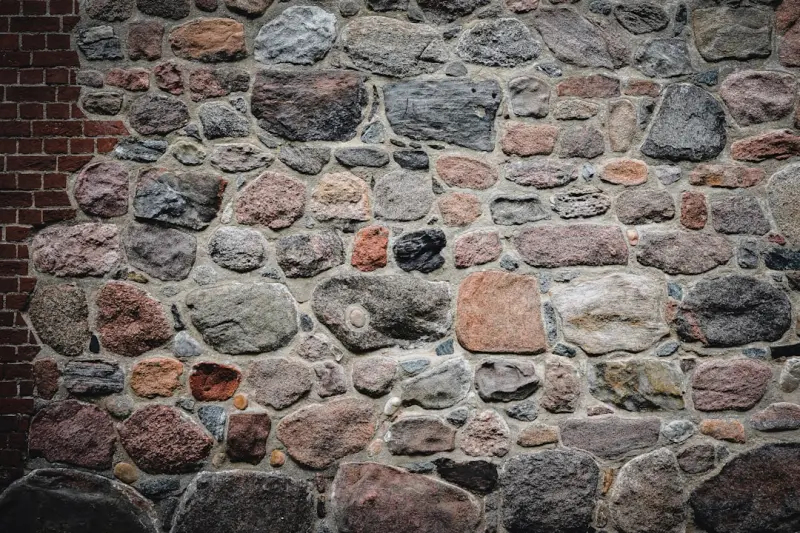
Why Masonry Still Matters
In a world where materials are constantly cycled out and replaced, masonry remains a quiet testament to endurance, offering a level of durability that few alternatives can match, and when you consider the way a well‑built brick wall can weather decades of freeze‑thaw cycles without losing structural integrity, you begin to understand why craftsmen still reach for clay and stone; the sheer density of fired brick creates a natural thermal mass that absorbs daytime heat and releases it after the sun sets, smoothing out temperature swings and reducing reliance on mechanical climate control, which in turn translates into lower energy bills and a more comfortable living environment for occupants.
Beyond its practical benefits, masonry possesses an aesthetic richness that digital finishes simply cannot replicate, because each brick or stone carries subtle variations in color, texture, and shape that together form a visual tapestry you can run your hand over and feel the history of its making; this tactile quality invites homeowners to engage with their surroundings in a way that smooth, synthetic surfaces rarely do, and the shadows cast by irregular mortar joints throughout the day add a dynamic layer of depth that evolves with the sun’s path, making even a static wall feel alive.
When you examine the environmental footprint of building materials, masonry often emerges as a surprisingly responsible choice, especially when sourced from regional kilns that minimize transportation emissions and when reclaimed units are incorporated into new projects, because the production of brick consumes less energy than many high‑performance composites; moreover, the longevity of masonry means that the embodied energy of each unit is amortized over a far longer service life, reducing the frequency of replacement and the associated waste that burdens landfills.
Designing a Brick Feature That Works With Your Landscape
Before a single brick is lifted, thoughtful planning determines whether a fire pit, a retaining wall, or a garden edging will best complement the flow of your outdoor space, and by mapping out sightlines, foot traffic patterns, and the relationship between hardscape and planting beds, you can ensure that the masonry element becomes a functional anchor rather than a visual obstacle; proportion matters as much as material, so a wall that is too tall may cast unwanted shade over sun‑loving perennials, while a low, horizontal run of stone can define a patio without stifling the surrounding greenery.
Integrating vegetation with masonry opens a dialogue between the built and the natural, because plant roots can be guided around a wall with strategic gaps that double as planting pockets, allowing trailing vines to soften edges and seasonal blooms to add color throughout the year, and when you select brick hues that echo the tones of nearby foliage, the structure appears to grow out of the earth rather than be imposed upon it, creating a seamless transition that pleases both the eye and the ecosystem.
One clever way to elevate a brick project while staying budget‑conscious is to incorporate reclaimed units sourced from demolition sites, and when you pair those salvaged pieces with fresh, high‑quality bricks, the resulting contrast can become a design statement in its own right, especially when you reference the latest concrete innovations that demonstrate how blended masonry‑concrete systems can achieve both strength and visual intrigue without sacrificing authenticity.
Maintaining Your Masonry Investment
Regular upkeep is the simplest path to preserving both the structural integrity and the visual appeal of masonry, because a gentle wash with low‑pressure water removes surface dust and grime that can obscure the natural sheen of brick, while avoiding harsh chemicals prevents the mortar from degrading; in humid climates, keeping an eye on efflorescence—those white mineral deposits that sometimes appear on the surface—allows you to intervene early with proper drainage solutions, ensuring that moisture does not linger within the wall cavity and cause long‑term damage.
When inevitable wear does appear, repair methods that respect the original composition are essential, and rather than reaching for a cement‑based patch that can trap moisture, consider a lime‑based mortar that breathes like the original joints, allowing the wall to continue regulating humidity as it was designed to do; this approach also maintains the visual consistency of the mortar color and texture, preventing unsightly patches that would otherwise stand out against the surrounding brickwork.
Beyond the immediate health of the wall, thoughtful maintenance contributes to the long‑term financial value of a property, because well‑kept masonry not only resists cracking and water intrusion but also signals to prospective buyers that the home has been cared for with an eye toward durability; in fact, understanding the flooring fundamentals that emphasize solid, grounded materials can further reinforce this perception, as buyers increasingly appreciate the harmony between a sturdy foundation and the tactile comfort of a stone‑tiled interior that feels both timeless and resilient.

Tom Ferguson is a Canadian freelance writer with a passion for storytelling, current events, and thoughtful commentary. Drawing on years of writing experience, he shares engaging insights on a wide range of topics, bringing a uniquely Canadian perspective to his work.
Related Posts

How Augmented Reality Is Revolutionizing Bricklaying on the Jobsite
Augmented reality is merging with masonry, giving masons real‑time visual guidance, reducing mater... Read More
Reclaimed Brick Renaissance: Turning Old Walls into Fresh Design Statements
Explore the art of integrating reclaimed brick into contemporary spaces, balancing historic charm wi... Read More
Masonry Meets Climate Resilience: Harnessing Thermal Mass and Sustainable Materials
Masonry’s timeless durability and thermal mass are being revitalized with low‑carbon geopolymer ... Read More
Top Posts

Why Subscription Plumbing Is the Smartest Move for Modern Buildings
Subscription plumbing turns traditional reactive repairs into a proactive service model, using sensors and analytics to prevent leaks, cut water waste, and stab...Read More
The Silent Revenue Engine: How Strategic Waterproofing Fuels Commercial Success
A deep dive into why waterproofing should be treated as a strategic asset, exploring ROI, sensor integration, sustainability, and future trends that turn moistu...Read More
How to Convert Your Sunroom into a High‑Performance Home Office
Turn your sunroom into a bright, functional workspace. Discover lighting tricks, soundproofing, climate control, and tech upgrades that make remote work feel li...Read More

DIY Home Repairs: A Year‑Long Preventive Maintenance Blueprint
Learn how to create a practical, year‑long preventive maintenance schedule that saves money, avoids emergencies, and empowers you to handle home repairs with ...Read More
0 Comments
Post Comment
You will need to Login or Register to comment on this post!