

Why Your Garage Is the Next Big Opportunity in Home Design
When most people think about a garage, the mental image is simple: a concrete box for a car and a cluttered corner for garden tools. But over the past decade the garage has silently transformed from a purely utilitarian space into a potential lifestyle hub. As a longtime contractor who’s spent more than two decades turning rough‑in walls into polished rooms, I’ve watched homeowners repurpose their garages into home gyms, art studios, remote offices, and even tiny rental units. The trend isn’t a fleeting fad; it’s a response to rising property values, tighter urban footprints, and a growing appetite for flexible, sustainable living.
From Car Shelter to Multi‑Use Hub
First, ask yourself what you truly need from that square footage. Is it a place to protect your vehicle from the elements, a workshop for your hobby, a quiet space for remote work, or a combination of all three? The answer dictates everything from floor loading to HVAC requirements. Here’s a quick decision matrix that can help you prioritize:
- Primary vehicle storage: Focus on clear height, durable flooring, and robust door mechanisms.
- Secondary workshop or maker space: Plan for bench‑level power, adequate lighting, and reinforced joists for heavy equipment.
- Home office or studio: Insulation, sound attenuation, and climate control become paramount.
- Hybrid use: Combine the above with modular partitions that can be moved or folded away.
Understanding the hierarchy of your needs early prevents costly re‑work later. It also allows you to embed flexibility from day one, ensuring the space adapts as your lifestyle evolves.
Designing for Flexibility
Flexibility isn’t just a buzzword; it’s a design principle that saves money and future‑proofs your investment. Here are three tactics I swear by:
- Modular wall systems: Instead of building permanent drywall, consider demountable panels that lock into a steel frame. They provide the same fire rating and acoustic performance but can be re‑configured within a weekend.
- Raised utility tracks: Run electrical conduit, data cabling, and plumbing on a raised ceiling grid. When you need to add a new outlet for a 3‑D printer or a dedicated EV charger, you won’t have to tear into the slab.
- Multi‑level flooring: A poured‑concrete base works for vehicles, but a floating wood or rubber subfloor can be installed over a thin isolation layer for a gym or studio feel. The key is to keep the structural slab intact while providing a comfortable surface on top.
Sustainable Materials and Smart Insulation
Garages have historically been under‑insulated, leading to energy loss in the winter and heat buildup in summer. Upgrading the envelope is one of the highest ROI moves you can make. I recently referenced DIY insulation hacks for interior walls, but for a garage you want a more robust approach:
- Closed‑cell spray foam: Provides both R‑value and air‑seal properties, crucial for a space that will double as an office.
- Rigid foam board with reflective foil: Ideal for walls where you need a vapor barrier and want to bounce radiant heat away from a workshop.
- Recycled denim batts: A greener alternative that still meets code for fire resistance when installed correctly.
Pair these with airtight doors and weatherstripping, and your garage becomes a climate‑controlled zone without a massive increase in utility bills.
Integrating Technology – The Modern Maker’s Playground
If you’ve ever watched a colleague set up a CNC mill in a cramped shed, you’ll know the frustration of inadequate power and lighting. That’s why I recommend treating the garage like a smarter workshop. Here’s how to bring it up to speed:
- Three‑phase electrical service: Gives you the headroom for heavy‑duty tools without tripping breakers.
- Smart lighting grids: Use motion‑sensing LEDs on a 0‑10V dimming circuit. You’ll have bright, focused light when you’re cutting metal and a softer ambiance for video calls.
- IoT environmental monitors: Temperature, humidity, and particulate sensors feed data to your phone, letting you maintain optimal conditions for woodworking, painting, or even indoor gardening.
- EV charging station: As electric vehicles become the norm, a Level 2 charger not only future‑proofs the space but can also serve as a backup power source for tools during outages.
Light, Air, and the Feeling of Space
One common complaint about garages is the oppressive, window‑less box feeling. Borrow a lesson from the Sunroom Renaissance and bring daylight inside:
- Clerestory windows: Positioned high on the wall, they let natural light flood the workspace without compromising privacy.
- Skylights with operable vents: Modern low‑profile units provide a 360° view of the sky and can be opened for passive ventilation on hot days.
- Translucent polycarbonate panels: If you’re in a climate that demands security, these panels let light in while remaining shatter‑resistant.
Combine daylight with a high‑efficiency mechanical ventilation system that brings in fresh air and exhaustes fumes. The result is a healthier environment for both you and any pets that might accompany you during a home‑gym session.
Structural Considerations: Load, Floor, and Climate Buffers
Even if you’re only storing a sedan, the floor must be engineered to handle point loads from heavy tools or a weight‑lifting platform. A typical 4‑inch concrete slab with a 3000 psi compressive strength is a good baseline, but consider these upgrades:
- Reinforced steel mesh: Distributes weight more evenly, reducing the chance of cracking under a heavy workbench.
- Thermal break under the slab: A thin layer of rigid insulation prevents the garage floor from becoming a cold sink in winter, especially important if you plan to use it as a gym.
- Drainage slope: A subtle 1‑2% pitch toward a floor drain prevents water pooling, protecting both the concrete and any stored items.
These measures also dovetail nicely with the idea of climate buffers—the garage can act as a thermal mass that stabilizes indoor temperature swings, a concept many homeowners overlook.
Planning, Permits, and the Renovation Checklist
Before you swing a hammer, a solid plan saves you from headaches later. Here’s my abbreviated checklist, distilled from years of field experience:
- Zoning verification: Confirm that accessory dwelling units (ADUs) or mixed‑use spaces are allowed in your jurisdiction.
- Structural engineering sign‑off: Required for floor load increases, especially if you’ll be installing a heavy workbench or a small mezzanine.
- Electrical permits: Any upgrade beyond a simple 120 V outlet typically needs a permit and inspection.
- Fire code compliance: If you’re adding a living space, you’ll need smoke detectors, egress windows, and possibly fire‑rated walls.
- Insulation and vapor barrier plan: Ensure you meet local energy codes; this is where the DIY insulation hacks become valuable.
- Finish schedule: Choose flooring, wall finishes, and ceiling treatments that meet both functional and aesthetic goals.
Cross‑referencing this list with a detailed project timeline keeps subcontractors on track and helps you stay within budget.
Future‑Proofing: Autonomous Vehicles and AI Integration
Looking ahead, garages will become more than just storage—they’ll be the first point of interaction for autonomous vehicles (AVs). Imagine a garage that recognizes an incoming self‑driving car, opens the door automatically, and routes the vehicle to a charging dock while you’re still in the living room. While fully autonomous garages are a few years out, you can lay the groundwork now:
- Embedded RFID or BLE beacons: These can signal an incoming vehicle and trigger door openers.
- Dedicated 5 G or Wi‑Fi 6E network: Provides low‑latency communication for AV systems.
- Smart garage door controllers: Integrate with voice assistants and home automation platforms for seamless operation.
Even if you never own an AV, the infrastructure adds resale value and aligns with the broader smart‑home ecosystem.
Conclusion: Turn the Garage Into a Strategic Asset
A well‑designed garage does more than protect a vehicle; it becomes a strategic asset that boosts property value, expands your living space, and supports a sustainable, tech‑enabled lifestyle. By starting with a clear use‑case hierarchy, embedding flexibility, investing in proper insulation, and wiring the space for tomorrow’s technology, you’ll create a garage that serves you for decades to come.

David MacKinnon is a dynamic freelance writer known for his captivating storytelling and keen insights into the world of technology. With a passion for exploring the intersection of innovation and everyday life, he crafts engaging narratives that not only inform but also inspire his readers.
Related Posts

Designing the Next‑Generation Garage: Flexibility, Sustainability, and Smart Integration
A modern garage can be more than a place for cars. This guide shows how adaptable layouts, sustainab... Read More
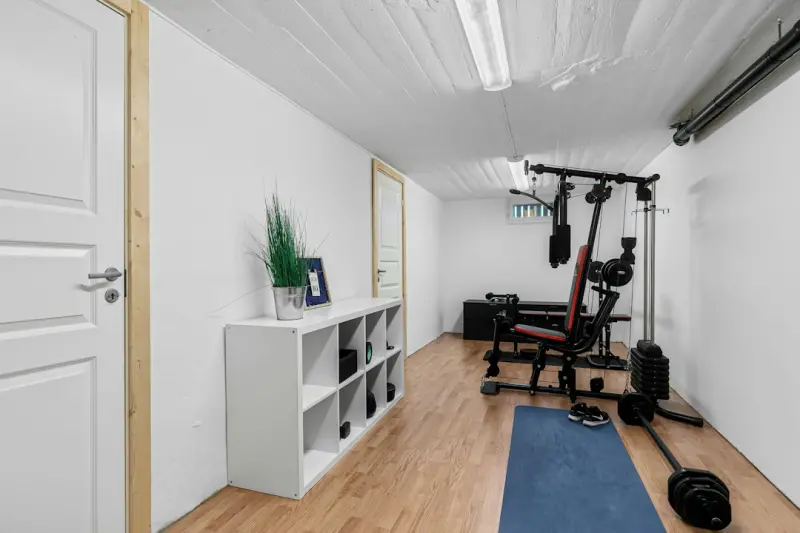
The Garage as a Flexible Living Hub: From Gym to Workshop
Explore a step‑by‑step approach to redesigning your garage into a multi‑functional hub that ac... Read More

Transforming a Simple Garage into a Sustainable Multi‑Purpose Haven
A hands‑on guide to turning a basic garage into a sustainable, multi‑purpose haven, featuring ec... Read More
Top Posts

The Rise of Sustainable Wallpapering: A New Era for Interior Design
Sustainable wallpapering is a growing trend in interior design. Learn about the benefits, materials, and techniques that are making it possible to create eco-fr...Read More

Why Your Pipes Need a Sustainable Overhaul
A veteran contractor shares practical, sustainable plumbing upgrades—from leak detection to smart fixtures—that reduce waste, lower bills, and future‑proo...Read More

How Tile Choices Shape the Vibe and Performance of Your Workspace
A deep dive into how tile patterns, sustainable materials, and data‑driven maintenance can elevate workplace mood, efficiency, and brand identity—all withou...Read More

When Clean Meets Green: Rethinking Carpet Care for a Healthier Home
Explore a data‑driven, low‑impact approach to carpet cleaning that reduces water use, eliminates harsh chemicals, and extends carpet life while improving in...Read More
0 Comments
Post Comment
You will need to Login or Register to comment on this post!