
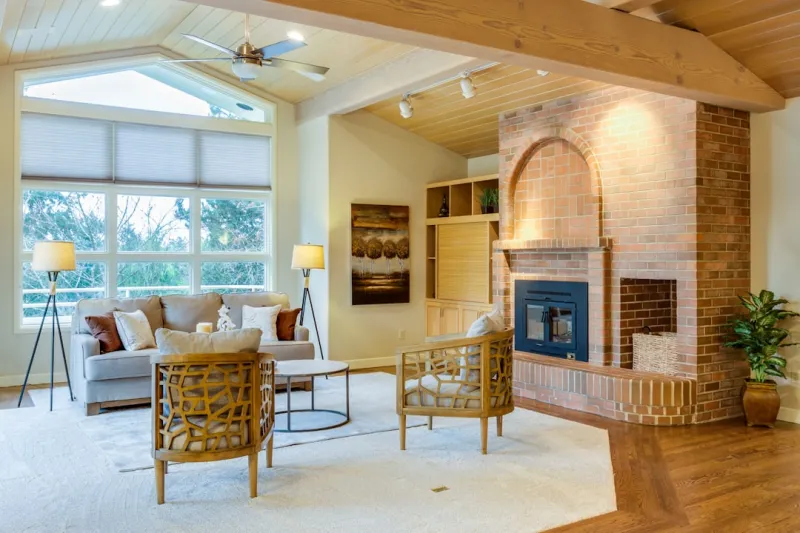
Sunroom Design Trends: Blending Style and Sustainability
As a homeowner and design enthusiast, I'm always on the lookout for ways to create a beautiful and functional living space that also prioritizes sustainability. One of my favorite ways to achieve this is by incorporating a sunroom into my home design. Not only do sunrooms provide a seamless transition between indoors and outdoors, but they also offer a unique opportunity to bring in natural light and connect with nature. In this article, I'll explore the latest sunroom design trends that blend style and sustainability, and provide tips on how to create a sunroom that's both beautiful and eco-friendly.
When it comes to sunroom design, one of the most important considerations is the type of windows and doors used. Energy-efficient windows can make a huge difference in reducing heat loss and gain, which can help lower your energy bills and minimize your carbon footprint. I recommend using windows with low-E coatings and insulated frames to maximize energy efficiency. Additionally, consider using window treatments that can help regulate the amount of sunlight entering the room.
Choosing Sustainable Materials for Your Sunroom
Another key aspect of sustainable sunroom design is the choice of materials. Opt for materials that are sustainably sourced, durable, and low-maintenance. Some popular options include reclaimed wood, bamboo, and low-carbon concrete. Not only do these materials reduce waste and minimize environmental impact, but they also add a unique touch to your sunroom design. When selecting materials, also consider their thermal mass properties, which can help regulate the room's temperature and reduce the need for heating and cooling.
Maximizing Natural Light and Ventilation
Sunrooms are all about bringing in natural light and connecting with the outdoors. To maximize natural light, consider using skylights, larger windows, or even solar tubes. Additionally, incorporate strategic ventilation to ensure a comfortable temperature and air quality. This can be achieved through the use of operable windows, clerestory windows, or even whole-house fans. By harnessing natural light and ventilation, you can reduce your reliance on artificial lighting and HVAC systems, which can significantly lower your energy bills.
Incorporating Sustainable Landscaping
A sunroom is not just about the design of the room itself, but also about how it interacts with the surrounding landscape. Consider incorporating sustainable landscaping practices, such as rainwater harvesting, native plant species, and efficient irrigation systems. This not only reduces your environmental impact but also creates a beautiful and thriving outdoor space that complements your sunroom.
Designing for Functionality and Style
While sustainability is a top priority, it's also essential to design a sunroom that's functional and stylish. Consider the room's purpose – will it be used for dining, relaxation, or entertainment? Choose furniture and decor that are both comfortable and eco-friendly, such as recycled plastic furniture or sustainably sourced wood. Don't forget to add some greenery, like plants or a living wall, to bring in a natural touch and purify the air.
Integrating with Existing Outdoor Spaces
A sunroom is often a transition space between indoors and outdoors. To create a seamless flow, consider integrating your sunroom with existing outdoor spaces, such as a patio or deck. This can be achieved through the use of sliding glass doors or pergolas and awnings that connect the two spaces. By blurring the lines between indoors and outdoors, you can create a cohesive and functional living space that enhances your overall quality of life.
In conclusion, designing a sunroom that's both stylish and sustainable requires careful consideration of materials, windows, ventilation, and landscaping. By incorporating these design trends and tips, you can create a beautiful and eco-friendly sunroom that enhances your home's functionality and aesthetic appeal. Whether you're looking to relax, entertain, or simply connect with nature, a well-designed sunroom can be a valuable addition to your home.
Conclusion and Final Tips
As I conclude this article, I want to emphasize the importance of sustainability in sunroom design. By prioritizing eco-friendly materials, energy-efficient systems, and sustainable landscaping, you can create a sunroom that's not only beautiful but also environmentally responsible. Remember to also consider factors like ventilation, natural light, and functionality to ensure a comfortable and enjoyable living space. With these tips and trends in mind, you'll be well on your way to creating a stunning and sustainable sunroom that you'll love for years to come.

When it comes to the world of blogging and writing, Rose DesRochers is a name that stands out. Her passion for creating quality content and connecting with her audience has made her a trusted voice in the industry. Aside from her skills as a writer and blogger, Rose is also known for her compassionate nature.
Related Posts

Creating a Year‑Round Wellness Retreat in Your Sunroom
Transform your sunroom into a daily wellness retreat by leveraging daylight, climate control, clean ... Read More

Reimagining Sunrooms as Agile Innovation Hubs
Sunrooms can become strategic assets when paired with smart glazing, acoustic windows, data‑driven... Read More

How Sunrooms Can Supercharge Employee Well‑Being and Reduce Energy Costs
A sunroom isn’t just a bright extra room; it’s a strategic wellness hub that lowers energy use, ... Read More
Top Posts
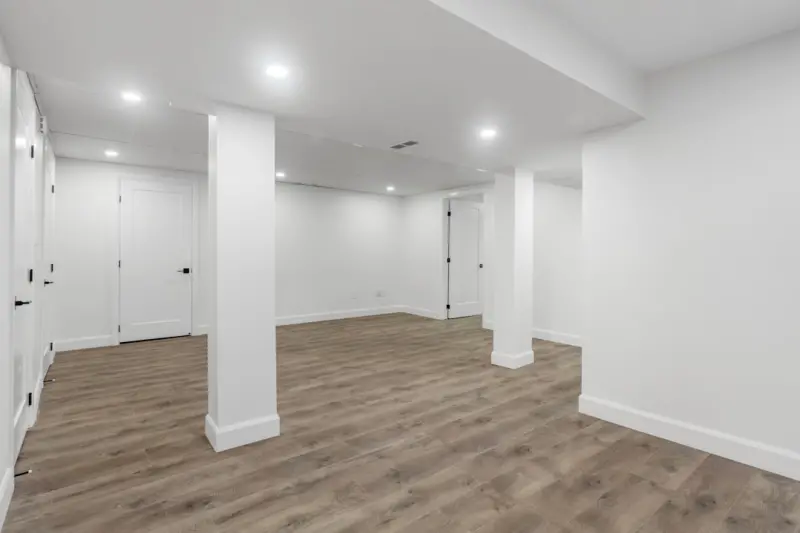
Transforming Your Basement Into a Health‑Focused Oasis
Learn practical steps to convert a neglected basement into a wellness hub, emphasizing air quality, natural light, biophilic elements, acoustic comfort, and int...Read More
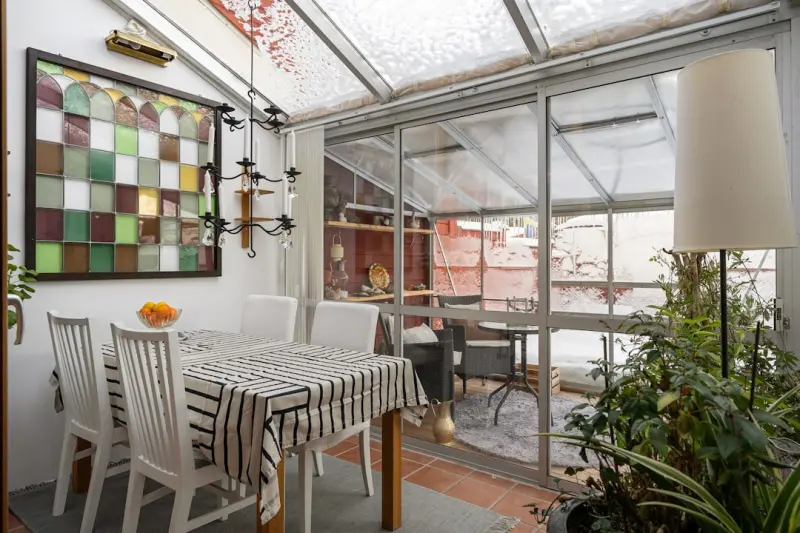
Sunroom Strategy: Turning Light‑Filled Spaces into Business Assets
Explore a fresh perspective on sunrooms, revealing their hidden value as energy‑savvy, wellness‑focused assets that drive productivity and bottom‑line ben...Read More

Carpet Cleaning Myths Debunked: What Really Works
Uncover the most persistent carpet cleaning myths and get practical, evidence‑based strategies that keep your floors looking fresh and improve indoor air qual...Read More

Breathing New Life Into Heirloom Furniture: A Restorer’s Journey
Explore how a restorer blends emotion, sustainability, and modern comforts to transform heirloom furniture into timeless, adaptable pieces that honor history wh...Read More
0 Comments
Post Comment
You will need to Login or Register to comment on this post!