
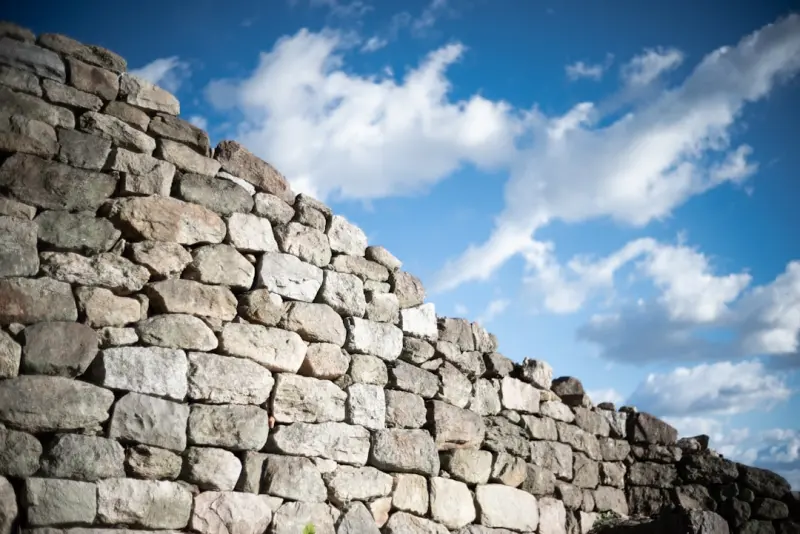
When I first lifted a 2‑inch brick onto my shoulder, I felt the weight of centuries. Masonry isn’t just about stacking clay and cement; it’s a conversation between past craftsmanship and future‑forward thinking. Today, that conversation is louder than ever, echoing through smart sensors, breathable wall systems, and climate‑responsive design. In this post, I’ll walk you through how we can honor the durability of traditional masonry while infusing it with the agility of modern technology.
Why Masonry Still Matters in a Digital Age
There’s a persistent myth that “digital” and “brick” belong in separate worlds. Yet, the most resilient buildings we see today are hybrid—combining the thermal mass of stone or brick with the data‑driven insights of IoT. Masonry’s innate ability to store heat, regulate humidity, and withstand fire makes it a perfect substrate for sustainability goals. When paired with smart monitoring, we can push performance beyond the limits of what a mason could have imagined a century ago.
From Solid Walls to Smart Envelopes
Traditional solid walls are often treated as static barriers. In reality, they’re dynamic systems that breathe, expand, and contract. By embedding low‑power sensors within the mortar joints, we can track moisture ingress, temperature gradients, and even structural strain in real time. This data feeds into building management platforms, allowing facility managers to pre‑emptively address issues before they become costly repairs.
Imagine a heritage warehouse that has been retrofitted with a strategic insulation layer behind its brick façade. Sensors detect a sudden rise in internal humidity, prompting a gentle increase in ventilation before any mold spores can take hold. The result? Preserved heritage, lower energy bills, and a healthier indoor environment.
Integrating Breathable Wall Systems
One of masonry’s greatest strengths is its ability to manage moisture through capillary action. Modern breathable wall systems amplify this by incorporating porous blocks, lime‑based mortars, and vapor‑permeable finishes. These layers work together to let walls "breathe" while still providing the structural integrity you expect from solid masonry.
When designing a new mixed‑use development, I often start with a base of reclaimed brick. The bricks are laid using a lime‑rich mortar that encourages evaporation while still delivering compressive strength. On top of that, I install a thin, high‑R “thermal break” panel that doesn’t trap moisture—a technique highlighted in modern waterproofing strategies. The synergy between these layers ensures that the wall can handle both seasonal temperature swings and occasional water exposure without cracking or spalling.
Passive Heating and Cooling: The Brick Advantage
Thermal mass is the unsung hero of passive design. Brick walls absorb heat during the day and release it slowly at night, flattening temperature peaks. To maximize this effect, designers now employ phase‑change materials (PCMs) integrated into the masonry cavity. These materials melt and solidify at specific temperatures, storing and releasing heat with remarkable efficiency.
For a recent office renovation I consulted on, we added a PCM‑infused plaster coat over a brick interior wall. Sensors logged a 3‑degree reduction in daytime cooling loads, translating to a 12% cut in HVAC energy consumption. The building’s occupants reported a more consistent indoor temperature, proving that the marriage of ancient material and cutting‑edge science can yield tangible comfort benefits.
Retrofitting Historic Masonry Without Sacrificing Character
Historic brickwork often carries decorative patterns, color variations, and unique bond styles that are impossible to replicate with modern units. Preserving these attributes while upgrading performance is a delicate dance. The key is to target the “hidden” layers—insulation, moisture barriers, and structural reinforcement—without covering the façade.
Here’s a step‑by‑step approach I recommend:
- Assessment: Conduct a non‑destructive infrared scan to locate thermal bridges and moisture pockets.
- Structural Reinforcement: Install discreet stainless‑steel reinforcement bars within the mortar joints, anchored to interior wall studs.
- Insulation Insertion: Blow cellulose or aerogel insulation into the cavity behind the brick, ensuring it remains vapor‑permeable.
- Moisture Management: Apply a breathable, water‑repellent coating that respects the brick’s porosity.
- Smart Monitoring: Embed sensors that relay data on temperature, humidity, and strain to a cloud dashboard.
By treating the building envelope as a living system, we protect its historic value while future‑proofing it for climate resilience.
The Role of the Handyman in the Modern Masonry Landscape
While high‑tech solutions are exciting, the on‑ground reality often falls to the skilled tradesperson. The modern handyman now needs a hybrid skill set: traditional bricklaying techniques combined with a comfort level in low‑voltage wiring and data interpretation. My go‑to resource for building that toolkit is The Handyman’s Playbook, which offers practical guidance on integrating tech into classic repair workflows.
For instance, when I retrofit a small café’s back‑of‑house wall, I use a handheld moisture meter to verify the brick’s condition before any insulation work. Then, I run a thin, shielded cable alongside the mortar joint to power the sensor array. The whole process takes under a day, but the payoff—a wall that tells us when it’s getting too wet—lasts for decades.
Eco‑Friendly Masonry Materials: Beyond Clay
Traditional fired clay bricks have a high embodied energy. To mitigate this, many manufacturers now produce “green” bricks made from fly ash, recycled concrete, or compressed earth. These alternatives reduce carbon emissions while maintaining comparable compressive strength.
When selecting materials, I weigh three factors:
- Carbon Footprint: Life‑cycle assessment data helps compare the embodied energy of conventional versus alternative bricks.
- Performance: Thermal conductivity and moisture buffering capacity must meet project specifications.
- Aesthetics: Color and texture should blend with existing architecture, especially in historic districts.
In a recent mixed‑use project, we chose a fly‑ash brick that matched the surrounding historic palette yet cut embodied carbon by 35%. The result was a seamless visual integration with a measurable sustainability win.
Future Trends: Masonry Meets AI
Artificial intelligence is beginning to influence masonry design in subtle but powerful ways. Machine‑learning algorithms can analyze decades of structural data to predict where cracks might form under specific loading conditions. Coupled with 3‑D printing of brick molds, architects can now generate custom‑shaped bricks that optimize stress distribution for a given structure.
While still in its infancy, AI‑driven masonry design promises two major benefits:
- Optimized Material Use: By tailoring brick geometry, we can reduce waste and lower overall material costs.
- Predictive Maintenance: Continuous sensor feeds feed into AI models that forecast degradation, allowing owners to schedule repairs just‑in‑time.
These technologies will not replace the human touch but will augment it, giving masons data‑backed confidence in their craft.
Bringing It All Together: A Case Study
Let’s walk through a real‑world scenario that stitches together the concepts discussed:
Project: Renovation of a 1920s industrial loft into a co‑working space.
Goals: Preserve original brick walls, improve thermal performance, embed smart monitoring, and achieve net‑zero energy use.
Process:
- Historical Survey: Infrared thermography identified thermal bridges at window reveals.
- Insulation Upgrade: Aerogel blankets were slipped into the cavity behind the brick, referenced from the Insulation Unlocked methodology.
- Moisture Management: A breathable, silane‑based sealant was applied, aligning with the principles from The Unseen Shield.
- Smart Sensors: Low‑power temperature and humidity sensors were installed at each brick joint, feeding data to a cloud dashboard.
- AI Analysis: A machine‑learning model analyzed sensor data to predict heat loss hotspots, guiding the placement of supplemental radiant panels.
The outcome? A 30% reduction in heating demand, a 20% improvement in indoor air quality, and a preservation of the building’s historic character that earned a local heritage award.
Practical Tips for the Modern Mason
Whether you’re a seasoned mason, a building owner, or a sustainability advocate, these actionable steps can help you integrate technology without losing the soul of masonry:
- Start Small: Pilot a sensor installation on a single wall before scaling up.
- Choose Breathable Materials: Opt for lime‑based mortars and vapor‑permeable finishes to maintain moisture balance.
- Leverage Existing Resources: Use guides like The Handyman’s Playbook to bridge skill gaps.
- Document Everything: Keep a digital log of sensor readings, maintenance actions, and material choices for future reference.
- Collaborate Across Disciplines: Work with architects, engineers, and data analysts to ensure a holistic approach.
Conclusion: Brick by Brick, Data by Data
Masonry has stood the test of time because it adapts. From the Great Pyramids to the sleek lofts of today, brick and stone have been the canvas upon which humanity paints its aspirations. By weaving smart sensors, breathable systems, and AI insights into that age‑old fabric, we’re not discarding tradition—we’re evolving it.
So the next time you run your hand along a weathered brick, imagine the silent network of data it could be sharing, the energy it could be saving, and the stories it will continue to tell for generations to come.

Kelly Reynolds is a dynamic freelance writer hailing from the picturesque landscapes of Alberta. A master of the written word, she juggles her passion for storytelling with the exhilarating chaos of being a mother to five spirited children. With an impressive portfolio that spans various genres, Kelly captivates readers through her engaging blog posts and thought-provoking articles.
Related Posts
Masonry Unlocked: Data‑Driven Craftsmanship for Resilient Cities
Masonry is evolving from a static craft to a data‑driven system. This post reveals how real‑time... Read More
Masonry Meets Climate Resilience: Harnessing Thermal Mass and Sustainable Materials
Masonry’s timeless durability and thermal mass are being revitalized with low‑carbon geopolymer ... Read More

How Augmented Reality Is Revolutionizing Bricklaying on the Jobsite
Augmented reality is merging with masonry, giving masons real‑time visual guidance, reducing mater... Read More
Top Posts
The Garage as a Flexible Living Hub: From Gym to Workshop
Explore a step‑by‑step approach to redesigning your garage into a multi‑functional hub that accommodates a home gym, workshop, and serene retreat, using a...Read More

Cultivating a Year‑Round Pollinator Paradise in Urban Gardens
Discover step‑by‑step strategies to create a year‑round pollinator garden in tight urban spaces, from plant selection and microclimate design to low‑cos...Read More

Invisible Wins: Small DIY Repairs That Save Money and Boost Comfort
Learn how simple, often overlooked fixes—from draft‑proofing doors to sealing drywall cracks—can dramatically improve comfort, reduce utility bills, and k...Read More

Circular Maintenance: Waste-to-Resource Upkeep for Modern Properties
A deep dive into circular maintenance strategies shows property managers how to repurpose waste, reduce expenses, and create greener, more resilient buildings....Read More
0 Comments
Post Comment
You will need to Login or Register to comment on this post!