

Why Masonry Is the Unsung Hero of the Smart Building Revolution
When I first walked onto a construction site fresh out of architecture school, the rows of red‑clay bricks and limestone blocks felt almost nostalgic—like stepping back into a craft that had been unchanged for centuries. Fast‑forward a few years, and I’m now leading a team that evaluates how every building element can generate data, cut carbon, and adapt in real‑time. Masonry, once dismissed as “static,” is quietly emerging as a platform for intelligence, resilience, and sustainability.
The Data Inside the Wall
Imagine a wall that not only bears load but also whispers its health to a facility manager. Embedded fiber‑optic sensors, piezoelectric transducers, and ultra‑thin RFID tags can turn each brick into a data point. These devices capture strain, moisture ingress, temperature fluctuations, and even vibrational signatures caused by nearby traffic or seismic activity.
The real power comes from aggregating that data in a digital twin of the building. When the twin detects an anomaly—say, a localized rise in humidity that could herald mold—it triggers an alert, schedules an inspection, or even activates a localized dehumidifier. This predictive maintenance approach mirrors what we’ve seen in HVAC systems, but it brings the advantage right to the envelope of the structure.
Low‑Carbon Bricks: From Quarry to Circular Economy
Traditional fired clay bricks are notorious for their carbon footprint. However, innovative manufacturers are now blending fly ash, recycled glass, and bio‑based binders to create low‑carbon bricks that rival conventional units in strength. Some companies are even designing bricks that can be fully reclaimed and re‑molded at the end of a building’s life—closing the loop on material use.
For a deeper dive into the broader shift toward sustainable aggregates, check out our piece on low‑carbon concrete alternatives. While concrete dominates the market, the same principles are now being applied to masonry, proving that the sector can evolve without sacrificing performance.
Modular Block Systems: Speed Meets Craftsmanship
One of the biggest misconceptions about masonry is that it’s slow. In reality, modular block systems—pre‑engineered panels that snap together on site—can shave weeks off a construction schedule. These panels often come pre‑wired with conduits for electrical, data, and sensor networks, eliminating the “after‑the‑fact” retrofits that plague many retrofit projects.
The modular approach also aligns with lean construction principles: less waste, fewer on‑site errors, and a tighter quality control envelope. When combined with digital design tools, architects can pre‑visualize every joint, ensuring that structural integrity and aesthetic intent are both met before the first block is lifted.
Thermal Mass Reimagined for Energy Efficiency
Historically, the thermal mass of masonry has been a passive benefit—walls absorb heat during the day and release it at night, smoothing indoor temperature swings. Today, we can amplify that effect with phase‑change materials (PCMs) embedded within bricks. These PCMs store and release latent heat at specific temperatures, dramatically reducing heating and cooling loads.
When paired with an intelligent building management system that monitors indoor climate and external weather patterns, the wall becomes an active participant in energy strategy. The result? A building that uses less electricity, cuts utility bills, and lowers its carbon emissions—all without sacrificing occupant comfort.
Acoustic Performance Meets Smart Design
Office spaces, hospitals, and educational facilities all demand precise acoustic control. Traditional masonry excels at sound attenuation, but now we can fine‑tune that performance. By varying the density and composition of bricks in strategic locations, designers can create “acoustic zones” that target specific frequency ranges.
Embedded microphones can continuously monitor reverberation times and feed data back to a central system. If a conference room becomes too echoey after a renovation, the system can suggest targeted acoustic treatments or even trigger a variable‑density wall panel to adjust its composition on demand.
Integrating Masonry into a Smart Infrastructure Stack
To unlock the full potential of intelligent masonry, it needs to speak the same language as other building systems. This is where open‑protocol communication standards like BACnet and MQTT become essential. By exposing sensor data via these protocols, the wall’s health metrics can be visualized alongside HVAC performance, lighting, and security dashboards.
For organizations already leveraging predictive analytics in climate control, extending those strategies to structural components is a natural next step. Our earlier discussion on predictive maintenance strategies illustrates how the same algorithms can forecast brick degradation, informing proactive repair schedules.
Case Study: A Historic Renovation that Went Digital
A mid‑size university recently embarked on a renovation of a 19th‑century masonry building. The goals were threefold: preserve the historic façade, improve energy performance, and embed a monitoring system for long‑term preservation. Here’s how they achieved it:
- Sensor‑Infused Brickwork: Tiny strain gauges were placed in the mortar joints of the exterior walls, sending real‑time data to the campus facilities team.
- Recycled Clay Bricks: The project sourced reclaimed bricks from a decommissioned factory, reducing embodied carbon by 30% compared to new units.
- PCM‑Enhanced Insulation: Interior walls incorporated PCM‑filled blocks, cutting heating demand during winter months.
- Digital Twin Integration: The sensor feed powered a 3‑D model that highlighted stress hotspots, allowing maintenance crews to intervene before cracks formed.
The result was a building that retained its historic character while achieving a 25% reduction in annual energy consumption and a measurable increase in structural resilience.
Challenges and Considerations
While the prospects are exciting, there are hurdles to mainstream adoption:
- Cost of Sensors: High‑precision transducers add upfront expense. However, lifecycle analysis often shows a net ROI through avoided repairs.
- Data Management: Hundreds of sensors per building generate massive datasets. Cloud‑based platforms and edge‑computing are essential to filter noise and deliver actionable insights.
- Regulatory Landscape: Building codes have yet to fully address embedded electronics in load‑bearing masonry. Early engagement with authorities is crucial.
- Skill Gap: Masons need training on installing sensor‑enabled units, and facility teams must understand how to interpret structural data.
Looking Ahead: The Future of Masonry
In the next decade, I envision three key trends shaping masonry:
- Self‑Healing Materials: Researchers are developing cementitious mixes that release bacteria‑based agents when cracks appear, sealing them autonomously.
- Embedded Energy Harvesting: Small solar cells or thermoelectric generators could be integrated into façade panels, powering sensors without external wiring.
- AI‑Driven Design Optimization: Generative design tools will suggest brick patterns that maximize structural efficiency, thermal performance, and aesthetic appeal—all validated through real‑time sensor feedback.
When these innovations converge, masonry will evolve from a static backdrop to an active, data‑rich component of the built environment—delivering safety, sustainability, and strategic advantage in equal measure.

Kelly Reynolds is a dynamic freelance writer hailing from the picturesque landscapes of Alberta. A master of the written word, she juggles her passion for storytelling with the exhilarating chaos of being a mother to five spirited children. With an impressive portfolio that spans various genres, Kelly captivates readers through her engaging blog posts and thought-provoking articles.
Related Posts
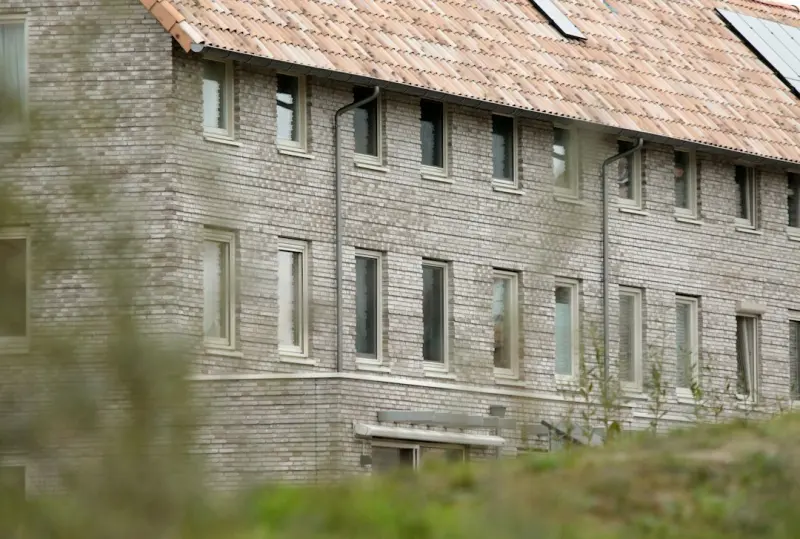
Masonry Meets Climate Resilience: Harnessing Thermal Mass and Sustainable Materials
Masonry’s timeless durability and thermal mass are being revitalized with low‑carbon geopolymer ... Read More

The Art of Adaptive Masonry: Tradition Meets Modern Technology
Explore the resurgence of masonry, where traditional craftsmanship fuses with innovative mortars, pr... Read More

Crafting Timeless Masonry Features for Today’s Homes
Explore the enduring appeal of masonry, from design planning and landscape integration to low‑main... Read More
Top Posts

Designing Sensory and Edible Gardens: A Holistic Landscape Blueprint
Explore a holistic approach to landscaping that engages all five senses, blends edible plants with aesthetics, and incorporates sustainable practices for a gard...Read More

Continuous Energy Inspection: Live Building Insights
Continuous energy inspection replaces periodic audits with real‑time sensor data, AI alerts, and integrated workflows, unlocking immediate cost savings, proac...Read More
Weather‑Proof Your Home with Smart, Affordable Upgrades
Learn a layered, data‑driven approach to home weather‑proofing that blends DIY fixes, smart sensors, and adaptive technologies, helping you protect your hom...Read More

Cultivating Business Growth with Purpose‑Driven Landscape Design
Discover why thoughtful landscape design is a powerful business asset—enhancing employee wellness, reinforcing brand identity, and cutting operational costs w...Read More
0 Comments
Post Comment
You will need to Login or Register to comment on this post!