
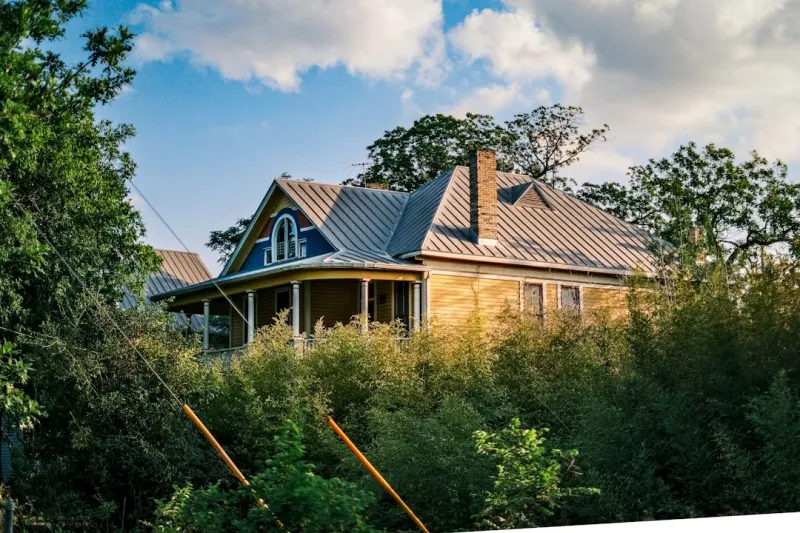
Embracing Sustainable Home Additions: A Comprehensive Guide
As a homeowner, there's nothing quite like the thrill of adding a new wing to your home or expanding your living space. But with the growing awareness of environmental sustainability, it's essential to consider eco-friendly options when planning your home addition. At David MacKinnon, we're passionate about sustainable living and believe that incorporating green practices into your home design can have a significant impact on the environment. In this article, we'll explore the benefits of sustainable home additions and provide you with a comprehensive guide to getting started.
When it comes to sustainable home additions, every detail matters. From the materials you choose to the design of your new space, there are countless opportunities to reduce your environmental footprint. One of the most effective ways to start is by focusing on the envelope of your home – the walls, windows, and doors that separate your indoor space from the outdoors. By choosing sustainable windows and doors, you can significantly reduce heat loss and gain, making your home more energy-efficient.
The Benefits of Sustainable Home Additions
So, why should you consider sustainable home additions? For starters, green homes are not only better for the environment, but they're also healthier and more cost-effective. Sustainable homes are designed to minimize waste, reduce energy consumption, and promote natural ventilation. This means that you can enjoy a healthier indoor air quality, lower utility bills, and a reduced carbon footprint. Plus, sustainable home additions can increase the value of your property, making it more attractive to potential buyers if you decide to sell.
When planning your sustainable home addition, it's essential to think about the long-term benefits. Consider investing in sustainable home improvements that will pay off in the years to come. This might include installing solar panels, upgrading to energy-efficient appliances, or incorporating recycled materials into your design. By taking a holistic approach to sustainability, you can create a home that's not only eco-friendly but also functional and beautiful.
Designing Your Sustainable Home Addition
Designing a sustainable home addition requires careful planning and attention to detail. Start by assessing your current home and identifying areas for improvement. Consider factors like natural light, ventilation, and insulation, and think about how you can optimize these elements in your new design. You may also want to consider incorporating sustainable landscaping practices into your design, such as rainwater harvesting or native plant species.
When it comes to materials, there are countless eco-friendly options to choose from. Consider using reclaimed wood, bamboo, or low-VOC paints to reduce your environmental impact. You may also want to explore alternative building materials, such as straw bales or earthbags, which offer excellent insulation and sustainability credentials.
Working with Sustainable Professionals
If you're new to sustainable home additions, it can be helpful to work with professionals who share your values. Look for architects, builders, and designers who have experience with green building practices and can help you navigate the process. Don't be afraid to ask questions or seek guidance – sustainable home additions require a collaborative approach, and working with the right team can make all the difference.
Overcoming Common Challenges
One of the biggest challenges of sustainable home additions is overcoming common misconceptions. Many homeowners assume that green building practices are too expensive or complicated, but this doesn't have to be the case. By working with sustainable professionals and taking a phased approach to your project, you can create a beautiful and eco-friendly home addition that meets your needs and budget.
Conclusion
In conclusion, sustainable home additions offer a unique opportunity to create a more eco-friendly, healthy, and cost-effective living space. By incorporating green practices into your design, you can reduce your environmental footprint, improve your indoor air quality, and increase the value of your property. Whether you're a seasoned homeowner or just starting out, we hope that this guide has provided you with the inspiration and guidance you need to get started on your sustainable home addition journey.
Some key takeaways to keep in mind include:
* Focus on the envelope of your home – windows, doors, and walls – to reduce heat loss and gain * Invest in sustainable home improvements that will pay off in the years to come * Design your home addition with natural light, ventilation, and insulation in mind * Explore eco-friendly materials and alternative building practices * Work with sustainable professionals who share your values
By following these tips and staying committed to your sustainability goals, you can create a home addition that's not only beautiful but also eco-friendly and sustainable.
Final Thoughts
As we look to the future of home design, it's clear that sustainability will play an increasingly important role. By embracing sustainable home additions, we can create a more environmentally conscious and responsible approach to building and design. Whether you're a homeowner, architect, or builder, we hope that this guide has inspired you to think differently about the way we design and build our homes.

David MacKinnon is a dynamic freelance writer known for his captivating storytelling and keen insights into the world of technology. With a passion for exploring the intersection of innovation and everyday life, he crafts engaging narratives that not only inform but also inspire his readers.
Related Posts
Designing a Home Addition That Grows With You
A future‑flex home addition blends adaptable design, smart infrastructure, and biophilic elements ... Read More
Future‑Ready Home Additions: Building Spaces That Grow With You
Discover a strategic approach to home additions that prioritizes flexibility, wellness, and long‑t... Read More
How to Build a Flexible Guest Suite That Grows With Your Family
A practical roadmap for homeowners who want a guest suite that can serve as a home office, rental un... Read More
Top Posts
Smart Sensors Are Changing the Way We Inspect Homes
Explore the rise of smart sensors in home inspections, from humidity monitors to drone thermal imaging, and learn how this technology adds value, confidence, an...Read More

Winter’s Secret Weapon: Turning Snow Removal into a Sustainable, Community‑Driven Routine
Discover a fresh, sustainable approach to snow removal that blends clever tools, eco‑friendly de‑icing, tech aids, and neighborly teamwork for a smoother, s...Read More
Turn Old Gutters into DIY Home Assets
Learn how to transform discarded gutters into functional décor—planters, rain‑chains, and shelves—through easy, sustainable DIY projects that add charm a...Read More
Reimagining Urban Living: Adaptive Biophilic Architecture
Explore the power of adaptive biophilic architecture, turning dense urban environments into thriving, nature‑infused habitats that enhance wellbeing and susta...Read More
0 Comments
Post Comment
You will need to Login or Register to comment on this post!