
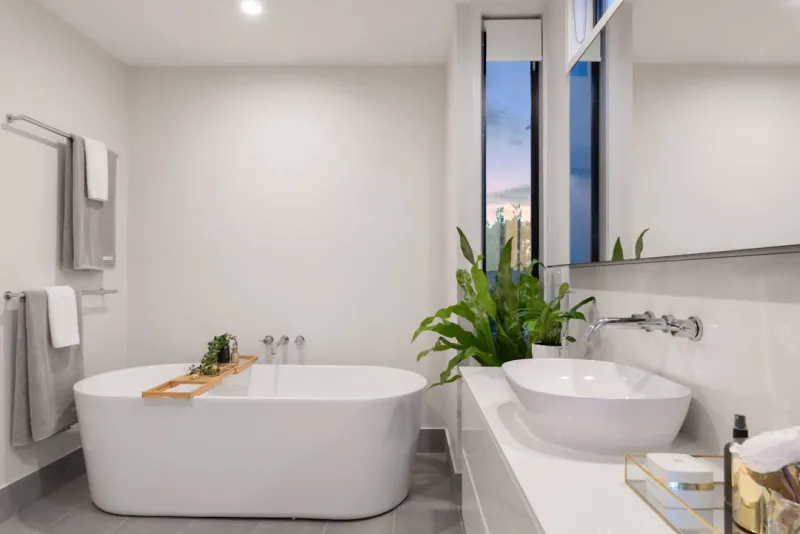
Why a Green Bathroom Matters
When I first stood in my dated, leaky bathroom, I imagined a space that felt like a spa retreat yet didn’t drain my wallet or the planet, and that vision set the tone for every decision I’d make, because a renovation isn’t just about fresh tiles and new fixtures; it’s an opportunity to embed sustainable habits into daily rituals, from reducing water waste to selecting materials that outlast trends, and I quickly learned that the environmental impact of a bathroom can be as dramatic as its aesthetic transformation when approached with purpose; the ripple effect of mindful choices extends beyond the walls, influencing energy bills, indoor air quality, and even the broader ecosystem.
Mapping the Space with Sustainability in Mind
Before the first demolition, I sketched a detailed layout that prioritized natural light, efficient plumbing routes, and the placement of energy‑saving appliances, because reducing the length of pipe runs and optimizing ventilation can cut both installation time and carbon emissions, and this strategic planning forced me to question every assumption—should the vanity be wall‑mounted to free up floor space, or can a floating shelf serve double duty as storage while showcasing eco‑friendly decor; by treating the bathroom as a holistic system rather than a collection of isolated fixtures, I discovered that even modest spatial tweaks can unlock significant savings in water usage and heating demand.
Tile Choices That Wow and Save
The heart of any bathroom redesign is the tile, and after hours of research I gravitated toward porcelain and reclaimed ceramic options that combine durability with low embodied energy, especially when sourced from manufacturers who use recycled content and non‑toxic glazes, a choice that not only enhances the visual narrative but also reduces landfill waste, and I was thrilled to find a dedicated guide on Tile trends that blend style, sustainability, and smart savings that helped me select patterns that hide imperfections while delivering long‑term performance; the key is to look for certifications like Green Squared or Cradle to Cradle, which assure that the tiles meet stringent environmental standards without compromising on texture or color.
Water‑Smart Fixtures for Luxury
Upgrading to low‑flow faucets, dual‑flush toilets, and sensor‑activated showerheads felt like adding a layer of luxury that also respects the planet, because modern fixtures can deliver a spa‑like experience with up to 30 % less water consumption, and I found that pairing these with a smart valve system that adjusts temperature based on usage patterns further reduces waste while preventing scalding; the psychological benefit of hearing a gentle, controlled stream instead of a roaring cascade cannot be overstated, as it reinforces the habit of mindful consumption every time you step into the shower.
Heating & Cooling That Whisper
Integrating radiant floor heating beneath the new tile not only creates an indulgent warmth underfoot but also operates at lower temperatures than traditional radiators, thereby cutting energy use, and I paired this with a high‑efficiency heat pump that intelligently balances heating and cooling throughout the year, a synergy highlighted in Smart, Sustainable Heating & Cooling: Trends, Tech, and Tips for Modern Homes, which explained how zoned controls can tailor climate to the bathroom’s unique moisture levels, ensuring comfort without overtaxing the HVAC system; this approach turned my bathroom into a model of passive comfort that works quietly in the background.
Design‑Build Harmony for Seamless Renovations
Collaborating with a design‑build team that embraces green thinking streamlined the project, because a unified crew can coordinate material orders, waste management, and schedule sequencing to eliminate redundancies, and the philosophy behind this collaborative method is explored in Design‑Build Mastery: Blending Vision, Efficiency, and Green Thinking, which taught me that when the architect, contractor, and sustainability consultant speak the same language, the result is a bathroom that feels cohesive, functional, and responsibly built from the ground up; this partnership also ensured that every scrap of tile was either reused or recycled, turning potential landfill into a resource for future projects.
DIY Handyman Hacks for Eco Wins
Throughout the renovation I applied several simple yet powerful handyman tricks that magnified the green impact, such as installing a faucet aerator with a reusable silicone seal to prevent leaks, sealing grout with a low‑VOC caulk that extends its lifespan, and reusing existing cabinetry by sanding and repainting it with an eco‑friendly chalk paint, a technique detailed in Handyman Hacks: How Small Fixes Drive Big Sustainable Gains, proving that even a weekend DIYer can achieve professional‑grade results while reducing material waste; these small victories not only saved money but also reinforced the habit of thinking creatively about sustainability at every step.
Your Bathroom’s Future Starts Today
Looking back, the renovation feels like a living laboratory where style, function, and responsibility coexist, and I now step into a space that greets me with soft lighting, warm floors, and the quiet confidence that every drop of water and kilowatt of energy is being used wisely, a testament to the power of intentional design and the endless possibilities that emerge when we prioritize the planet alongside personal comfort; I invite you to take the first step, whether it’s swapping a single faucet or embarking on a full remodel, because each sustainable choice compounds, creating a ripple that benefits both your home and the broader environment.

Kelly Reynolds is a dynamic freelance writer hailing from the picturesque landscapes of Alberta. A master of the written word, she juggles her passion for storytelling with the exhilarating chaos of being a mother to five spirited children. With an impressive portfolio that spans various genres, Kelly captivates readers through her engaging blog posts and thought-provoking articles.
Related Posts
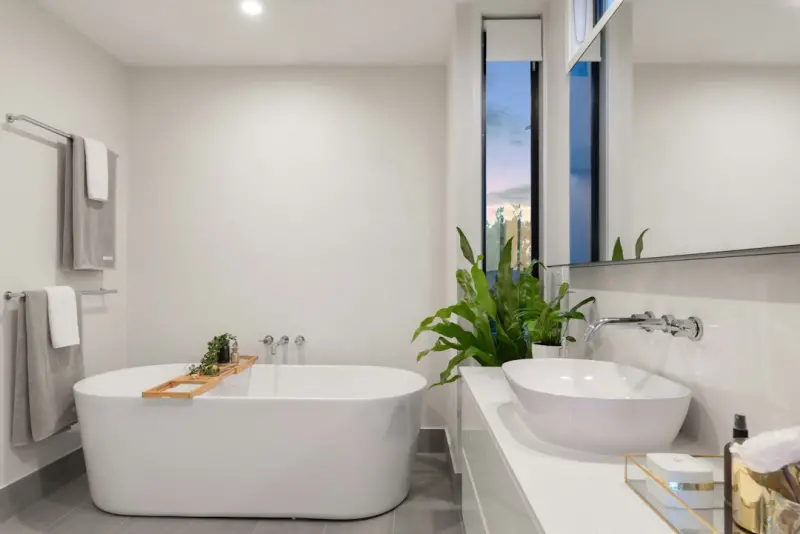
Transforming Bathrooms into Personal Wellness Sanctuaries
Explore a fresh, wellness‑centric approach to bathroom remodels, integrating smart water-saving fi... Read More
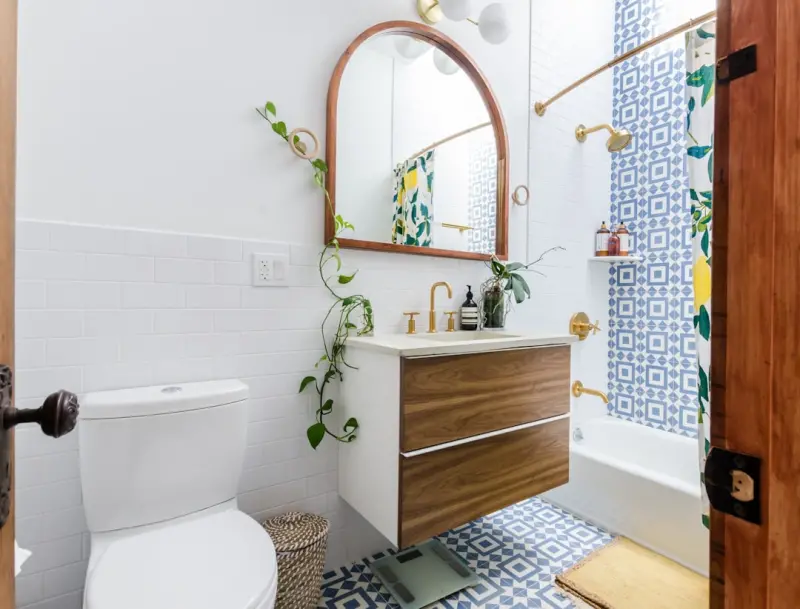
Designing a Bathroom That Grows With You: Adaptive Spaces for Modern Living
A bathroom should evolve with you. Learn innovative strategies to build a space that adapts to chang... Read More
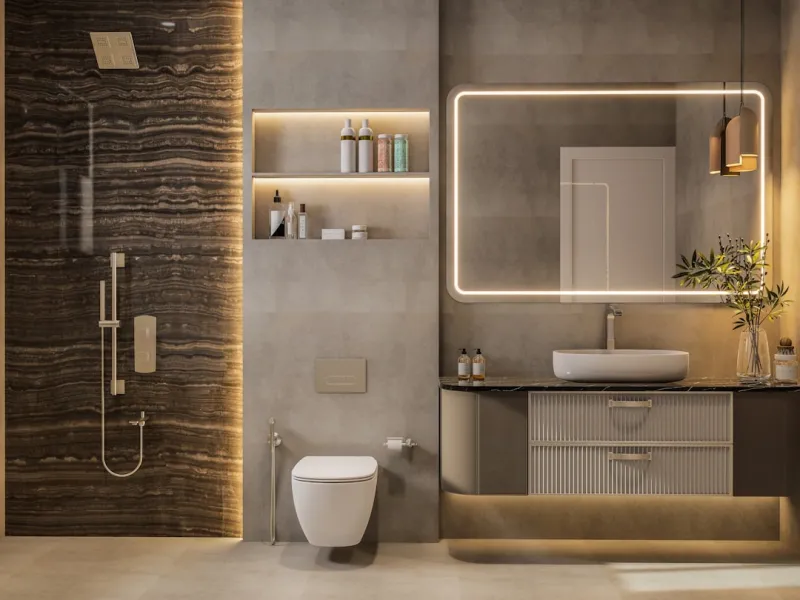
Sustainable Bathroom Renovations: A Greener Approach
Sustainable bathroom renovations are an excellent way to reduce your carbon footprint and create a h... Read More
Top Posts
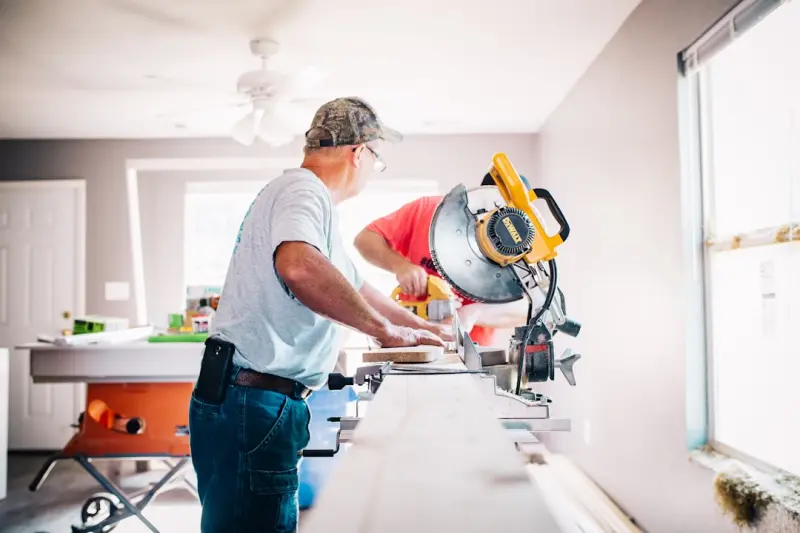
Pricing Your Handyman Services: A Practical Guide to Profitability
Discover a step‑by‑step approach to pricing handyman jobs, from breaking down costs and researching local rates to crafting transparent estimates that win c...Read More
Eco‑Friendly Drywall: Reducing the Carbon Footprint One Wall at a Time
A deep dive into eco‑friendly drywall practices, from recycled gypsum and low‑VOC compounds to moisture‑resistant panels and design for disassembly, showi...Read More
When Your Alarm Becomes a Neighborhood Ally: The Next Evolution of Home Security
Home alarms are shifting from isolated devices to community partners, using AI, privacy‑first mesh networks, and lessons from enterprise security to create sh...Read More

Designing for Neurodiversity: Architecture That Listens
A deep dive into neuroinclusive design, offering practical strategies—adaptive lighting, acoustic zoning, modular layouts, and smart tech—to craft architect...Read More
0 Comments
Post Comment
You will need to Login or Register to comment on this post!