

When I first picked up a wrench as a teenager, the idea of “service” was simple: show up, fix the problem, get paid, and head home. Today, that model is evolving faster than a power‑drill on a high‑speed setting. Handymen are no longer just the on‑call fix‑it folks; they’re becoming part‑time consultants, subscription‑based service providers, and even remote troubleshooters using augmented reality (AR) and the Internet of Things (IoT). In this piece, I’ll walk you through the three trends reshaping the trade, why they matter to both the seasoned contractor and the rookie with a toolbox, and how you can start integrating them without turning your business upside‑down.
1. From One‑Off Jobs to Subscription Services
Imagine a homeowner who pays a modest monthly fee for a bundle of services: quarterly HVAC filter changes, annual light‑fixture inspections, seasonal gutter clean‑ups, and a “handyman on call” guarantee for small repairs. For the handyman, that recurring revenue stream is a game‑changer. Instead of chasing the next emergency call, you can focus on preventive maintenance, which typically costs less in labor and materials while increasing client satisfaction.
Why subscriptions work:
- Predictable cash flow: A steady stream of income smooths out the seasonal lulls that traditionally plague the trade.
- Customer loyalty: Homeowners who pay monthly are less likely to shop around for a one‑time fix, especially when they know your name and trust your reliability.
- Efficiency gains: Planning multiple tasks for a single property on a scheduled calendar reduces travel time and tool duplication.
Implementing a subscription model doesn’t require a massive overhaul. Start small with a “maintenance bundle” for your top five clients and track metrics: average ticket size, churn rate, and service call frequency. Over time, you’ll discover the sweet spot between coverage breadth and pricing. Many handymen are already using simple invoicing platforms to automate monthly billing, but there’s an even smarter way to handle this: integrate your subscription plan with a digital dashboard that lets clients see upcoming appointments, request additional services, and even approve estimates on the fly.
For those wondering how to market this shift, the answer is storytelling. Share case studies of a family that avoided a costly water‑heater failure because they had a quarterly inspection included in their plan. Real‑world examples turn an abstract concept into a tangible benefit that resonates with prospects.
2. Remote Diagnostics and AR‑Assisted Repairs
One of the most exciting advancements in the handyman world is the ability to diagnose problems without setting foot inside a client’s home. Using a smartphone camera and AR overlay, you can walk a homeowner through a step‑by‑step visual guide, pinpoint the exact location of a leak, or even confirm the correct size of a replacement part. The technology is still maturing, but the fundamentals are already accessible:
- Live video calls: Platforms like Zoom or Microsoft Teams now support screen sharing of a live camera feed, enabling you to point out a loose screw or a misaligned pipe.
- AR measurement tools: Apps such as MeasureKit or AR Ruler let you gauge distances and dimensions in real time, which is perfect for ordering the right length of a PVC pipe or a custom‑cut trim piece.
- IoT sensors: Installing inexpensive temperature or vibration sensors on critical appliances can alert you to anomalies before they become emergencies.
Here’s how a remote diagnostic workflow might look:
- Client triggers a request: Using a mobile app, the homeowner selects “Electrical Issue” and uploads a short video of the faulty outlet.
- You receive an instant notification: Your dashboard flags the ticket, and you can either accept the remote consult or schedule an on‑site visit.
- Live AR session: You join a video call, activate the AR overlay, and guide the homeowner to turn off the breaker, remove the outlet cover, and check the wiring.
- Decision point: If the issue is minor (e.g., a loose wire), you can close the ticket remotely and bill for the consult. If it’s a larger problem, you schedule a visit, now armed with a precise diagnosis and parts list.
Remote diagnostics not only reduce travel time but also allow you to serve a broader geographic area. A handyman based in a suburb can now support clients in neighboring towns without the overhead of a physical presence. It also opens a new revenue channel: you can charge a “virtual consult fee” that’s lower than an on‑site call but still profitable.
3. Upcycling Materials: Turning Waste Into Value
Environmental consciousness isn’t just for large construction firms. Handymen can differentiate themselves by adopting a mindset of upcycling construction waste. When you’re tearing down a wall or removing old flooring, you’re often left with a mountain of reusable material: reclaimed wood, metal brackets, vintage tiles, and even salvaged light fixtures. Rather than discarding these items, consider how they could be repurposed for future jobs or even sold to DIY enthusiasts.
Practical upcycling ideas:
- Reclaimed wood accent walls: Old floorboards can be sanded and repurposed as decorative wall panels, adding character to a living room without the cost of new lumber.
- Vintage hardware kits: Antique knobs, pulls, and hinges fetched from demolition sites make great add‑ons for clients who want a rustic or industrial aesthetic.
- Custom shelving from pallets: Pallet wood, when properly cleaned and finished, becomes sturdy, budget‑friendly shelving for garages or closets.
Beyond the creative appeal, upcycling reduces disposal fees and lowers the environmental impact of each job. It also positions you as a forward‑thinking professional, which can be a compelling selling point in marketing materials and social media posts.
4. Leveraging Digital Collaboration Tools
Even if you run a solo operation, collaborating with subcontractors, suppliers, and clients can be streamlined through modern software. A good example is the rise of collaboration platforms for contractors. These tools consolidate project timelines, invoicing, and communication into a single dashboard, cutting down on back‑and‑forth emails and lost paperwork.
Key benefits for handymen:
- Real‑time updates: When you order a new faucet, the platform can automatically notify the client of the expected delivery date.
- Document storage: Keep warranties, permits, and inspection reports in one place, accessible to you and the homeowner.
- Task delegation: If a job requires a licensed electrician, you can assign the task within the platform and track its progress without manual check‑ins.
Adopting such a platform may seem like a big step, but many solutions offer tiered pricing, including free versions that are perfectly adequate for a one‑person shop. The real value lies in the data: you’ll start seeing patterns in job types, average turnaround times, and repeat service requests, which feeds back into your subscription model and remote diagnostic strategy.
5. Navigating Regulations and Liability
As you expand services—especially when offering remote consultations—it’s essential to understand the regulatory landscape. Licensing requirements for electrical, plumbing, and HVAC work vary by jurisdiction, and providing advice remotely can blur the lines of liability. Here are a few best practices:
- Stay licensed: Ensure you hold the appropriate local licenses for any trades you advise on. If you’re unsure, consult your state’s licensing board.
- Use clear disclaimers: Your remote consultation agreement should state that you are providing guidance, not performing the work, and that the homeowner is responsible for any on‑site execution.
- Document everything: Keep a digital record of all remote sessions, including timestamps, photos, and client acknowledgments.
By being proactive with compliance, you protect your business and build trust with clients who appreciate transparency.
6. Building a Brand That Resonates
In a crowded market, your brand is the differentiator that keeps clients coming back. Today’s homeowners are looking for more than just a competent fixer; they want a partner who understands sustainability, technology, and convenience. Here’s how to craft a brand narrative that aligns with the trends discussed:
- Storytelling: Share short videos of a “before and after” upcycling project, or a quick demo of a remote AR diagnostic.
- Community involvement: Sponsor a local home‑improvement workshop or partner with a neighborhood association for free safety inspections.
- Consistency: Use the same color palette, logo, and voice across your website, invoices, and social media.
When your brand consistently communicates innovation and reliability, word‑of‑mouth referrals become a natural byproduct.
7. Getting Started: A 30‑Day Action Plan
Feeling overwhelmed? Break the transformation into bite‑size steps. Below is a practical 30‑day roadmap:
- Week 1 – Market research: Survey existing clients to gauge interest in subscription maintenance and remote consults.
- Week 2 – Pilot subscription: Create a basic maintenance bundle and offer it to three loyal customers at a discounted rate.
- Week 3 – Tech trial: Test a free AR measurement app with a friend’s home repair; document the process.
- Week 4 – Upcycling inventory: Sort through leftover materials from recent jobs, identify salvageable items, and list them on a local marketplace.
At the end of the month, evaluate key performance indicators: subscription sign‑ups, remote consult revenue, and upcycled material sales. Adjust pricing, marketing messages, or tech tools based on the data you’ve gathered.
Conclusion: The Handyman of Tomorrow Is Already Here
Whether you’re a lone‑wolf tradesperson or the founder of a growing service company, the convergence of subscription economics, remote diagnostics, and sustainable material practices offers a clear path to differentiation and growth. By embracing these trends, you’re not just fixing leaks or tightening screws—you’re building a resilient, future‑proof business that meets modern homeowners where they are, both physically and digitally.
Ready to take the next step? Start small, stay consistent, and let the data guide your evolution. The tools in your toolbox may be familiar, but the opportunities they unlock have never been more exciting.

William Roy is a freelance writer originally from Montreal who moved to Ottawa with his wife of 50 years to be closer to their grandkids. Alongside his writing, William has a passion for fishing.
Related Posts

From Nooks to Nuggets: Handyman Techniques to Turn Every Corner Into Cash
Learn how to identify and transform underutilized areas like closets, staircases, balconies, and bas... Read More

Handyman Hacks for a Productive Home Office
Learn how simple handyman skills—like building a custom desk, installing dedicated circuits, and c... Read More
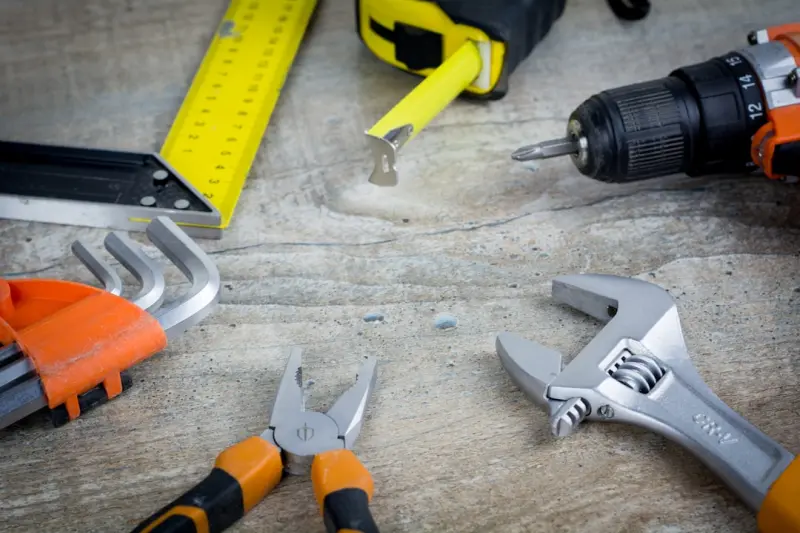
The Handyman’s Blueprint for Rapid, Profitable Repairs
Learn how a tactical service calendar, clear pricing, mobile toolkits, and digital tools can turn ev... Read More
Top Posts
The Sustainable Awning Revolution: A Game-Changer for Homeowners
Sustainable awnings offer a stylish and practical way to reduce energy consumption and environmental impact. Learn about the benefits, trends, and innovations i...Read More

Unlocking the Hidden Potential of Your Basement: A Fresh Take on Modern Renovations
Explore a fresh perspective on basement remodels, from smart planning and moisture control to lighting, zoning, and sustainable finishes that boost value and li...Read More

Turning Floors into Interactive Workspaces: The Next Frontier in Office Design
Discover how embedding sensors into flooring turns a simple surface into a strategic asset, delivering real‑time insights on space usage, employee health, and...Read More
The Evolution of Sustainable Home Construction: A Comprehensive Guide
The construction industry has undergone a significant transformation in recent years, driven by growing concerns about environmental sustainability, energy effi...Read More
0 Comments
Post Comment
You will need to Login or Register to comment on this post!