
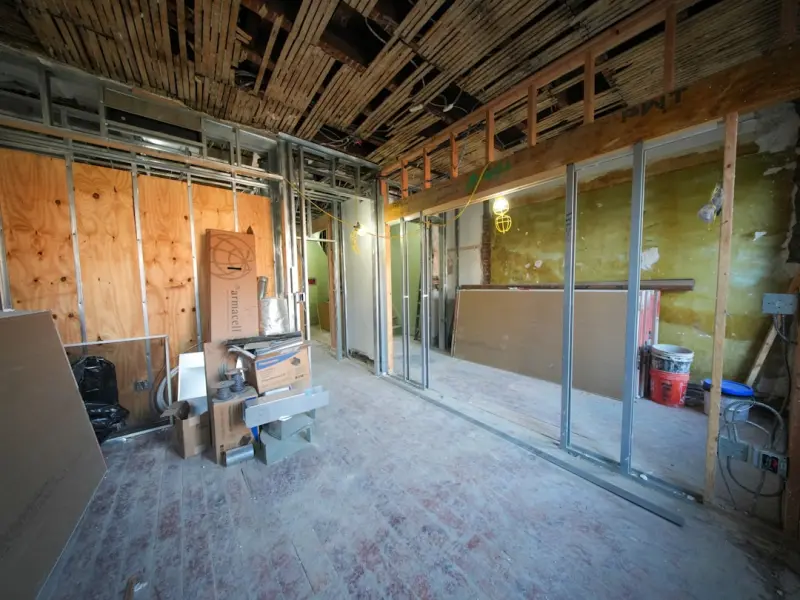
Why Drywall Is the Unsung Backbone of Modern Interiors
When most people think about the future of construction, their minds jump to flashy façades, renewable roofs, or AI‑powered design tools. I’ve spent years in the trenches—literally—installing, sanding, and finishing drywall. From my perspective, the humble gypsum board is the most strategic canvas we have for embedding intelligence, improving health, and future‑proofing spaces. It’s not just a barrier; it’s a platform.
From Bare Board to Intelligent Surface
Traditional drywall is a simple sandwich of gypsum core between paper facings. Its primary goals have always been fire resistance, acoustic dampening, and a smooth finish for paint. But the next wave of building performance demands more. Imagine a wall that can monitor humidity, detect structural stress, and even communicate with your building management system. That shift begins with a re‑thinking of the board’s composition and installation process.
Embedding Sensors Without Compromising Integrity
The first challenge is integration. Sensors must be thin enough to sit flush within the board without creating weak points. Recent advances in printed electronics have produced flexible, paper‑thin humidity and temperature sensors that can be laminated onto the paper facing before the board is installed. The key is to treat the sensor layer as part of the finishing process, not an afterthought.
- Placement strategy: Sensors are most effective when positioned at ceiling height, mid‑wall, and near potential moisture sources (kitchens, bathrooms). This three‑point network provides a triangulated view of the indoor climate.
- Power delivery: Low‑power Bluetooth Low Energy (BLE) modules draw milliamps, which can be powered by thin‑film photovoltaic strips mounted on the wall’s surface or via a wired low‑voltage bus that runs behind the drywall.
- Data handling: Edge‑computing nodes, often no larger than a matchbox, aggregate sensor data and push it to the building’s IoT hub. This architecture keeps latency low and preserves privacy.
Health Benefits That Go Beyond Paint
Indoor air quality (IAQ) is a silent determinant of occupant productivity. By integrating moisture sensors directly into drywall, facilities managers can detect condensation behind the wall before mold takes hold. Early detection translates to preventive maintenance rather than costly remediation. Moreover, the same sensors can trigger localized ventilation, directing fresh air exactly where it’s needed without over‑ventilating the entire building.
Acoustic Performance Meets Technology
Drywall has always been a workhorse for sound attenuation, but technology can amplify that role. Variable‑density gypsum panels—where denser cores are interspersed with lighter, porous sections—can be paired with active noise cancellation speakers hidden behind the surface. The result is a wall that not only blocks external noise but can also emit low‑level anti‑noise to cancel out internal chatter in open‑plan offices.
For a deeper dive into how sound‑focused design can transform workplaces, see our piece on Acoustic Wellness.
Design Flexibility Without Compromise
Architects often hesitate to specify advanced drywall systems because they fear aesthetic limitations. Modern manufacturing techniques now allow for custom textures and finishes that mimic traditional plaster, wood paneling, or even stone—all while housing the embedded electronics. This means design intent remains untouched while performance skyrockets.
Case Study: A Tech Campus Reinvents Its Core Walls
One of our clients, a rapidly scaling tech campus, retrofitted an entire floor with intelligent drywall. The goals were threefold: reduce HVAC energy use, improve IAQ monitoring, and create a data‑rich environment for post‑occupancy analysis.
- Energy savings: By linking moisture sensors to the HVAC control system, the building automatically reduced dehumidification cycles by 18%.
- Health outcomes: Early detection of a minor leak prevented mold growth, saving an estimated $12,000 in remediation costs.
- Data insights: Over six months, the building management system gathered 1.2 million data points, informing future design tweaks and space utilization strategies.
Integrating Drywall with the Broader Digital Twin
When you think about a digital twin—a virtual replica of a physical building—it’s easy to focus on HVAC, lighting, and structural models. However, the wall surface is a rich source of real‑time data. By feeding drywall sensor streams into the twin, operators can simulate how changes in humidity affect plaster integrity, or how acoustic adjustments impact occupant satisfaction.
To understand how data‑centric approaches are reshaping other construction domains, explore AI‑Driven Form‑Finding, which highlights the power of computational tools in shaping physical environments.
Installation Best Practices for the Intelligent Wall
Transitioning from conventional drywall to an intelligent system requires a disciplined workflow:
- Pre‑assembly inspection: Verify that all sensor modules are calibrated and that power lines are correctly terminated.
- Staggered mounting: Use a “sensor-first” approach—install the sensor‑infused panels before the traditional ones to avoid damaging the electronics.
- Seam continuity: Ensure that sensor data pathways are not broken at joints. This often means running a thin conduit behind the board to maintain uninterrupted communication.
- Finish with care: When applying joint compound, use low‑impact tools to avoid crushing the embedded layers. A light sanding technique preserves sensor functionality.
Future‑Proofing: Upgradable Walls
One of the most compelling advantages of sensor‑embedded drywall is its modularity. As newer sensor technologies emerge—say, carbon dioxide detection or VOC sensing—building owners can replace the thin sensor strips without tearing out the entire wall. The paper facing acts as a protective envelope, allowing upgrades in a “plug‑and‑play” fashion.
Cost Considerations and ROI
Initial material costs for intelligent drywall are higher—roughly 15‑20% above standard gypsum board. However, the return on investment manifests in multiple ways:
- Reduced maintenance: Early leak detection prevents expensive water damage.
- Energy efficiency: Targeted HVAC adjustments cut utility bills.
- Extended asset life: Monitoring structural strain helps schedule preventative reinforcement before cracks appear.
When these savings are aggregated over a typical 10‑year building lifecycle, the payback period often falls between 4‑6 years, making the technology financially viable for both new builds and major retrofits.
Regulatory Landscape and Standards
While many jurisdictions have not yet codified requirements for intelligent drywall, several standards are emerging:
- Fire rating compliance: Sensors must be fire‑rated to at least the same level as the board (commonly Type X for 1‑hour fire resistance).
- Electrical safety: Low‑voltage wiring must meet IEC 60335‑2‑33 for safety in building interiors.
- Data privacy: Buildings collecting occupant‑level environmental data must adhere to GDPR‑style consent frameworks.
Staying ahead of these regulations not only mitigates risk but also positions a project as a benchmark for sustainability certifications such as WELL and LEED.
Conclusion: The Wall as a Living Interface
Drywall has quietly been the workhorse of interior construction for decades. By reimagining it as an intelligent, data‑rich surface, we can unlock hidden performance layers that improve health, efficiency, and occupant experience. The technology is ready, the case studies are compelling, and the market is hungry for smarter interiors. It’s time to let the wall speak.

Lifan Chen is a freelancer based in Toronto specializing in marketing. With expertise in crafting effective marketing strategies and campaigns, Lifan helps businesses grow their brand presence and reach target audiences. As a Toronto-based freelancer, Lifan combines local market insights with creative marketing skills to deliver tailored solutions for clients.
Related Posts
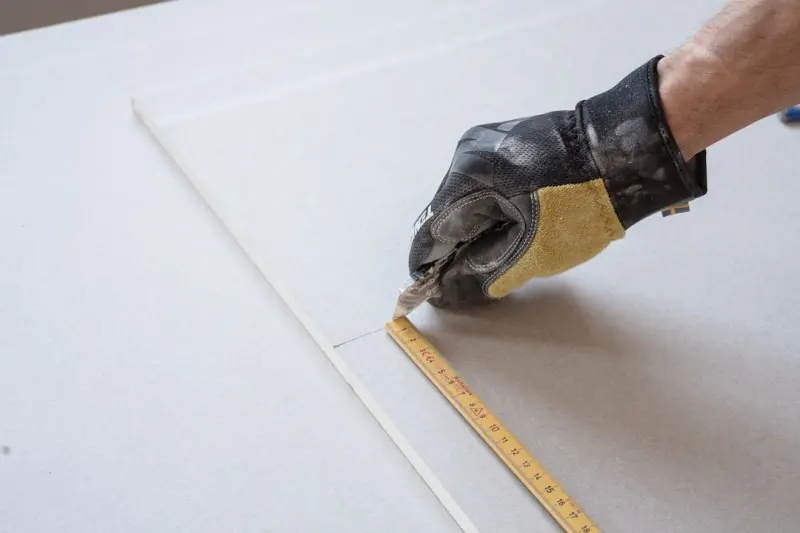
Modular Smart Drywall: Speed, Data, and Circular Value
A deep dive into modular drywall panels that combine rapid installation, embedded IoT sensors, and r... Read More
Beyond the Wall: Mastering Modern Drywall Techniques
A deep dive into contemporary drywall practices, covering eco‑friendly materials, acoustic solutio... Read More

Eco‑Friendly Drywall: Reducing the Carbon Footprint One Wall at a Time
A deep dive into eco‑friendly drywall practices, from recycled gypsum and low‑VOC compounds to m... Read More
Top Posts
Unlocking Hidden Savings: Real‑Time Energy Inspection for Modern Renovations
Explore the power of real‑time energy inspection, learn why one‑time audits fall short, and see how smart sensors, AI analytics, and integrated upgrades can...Read More

Waterproofing as a Service: Redefining Building Resilience with Subscription Models
A fresh look at waterproofing reveals the power of subscription‑based services, offering financial predictability, proactive maintenance, and rapid repairs—...Read More

The Importance of Sustainable Tree Care Practices
Sustainable tree care practices are essential for maintaining the health of our planet. Learn how to care for your trees in an eco-friendly way and promote biod...Read More

Silent Sanctuaries: Boosting Acoustic Comfort with Smart Windows and Doors
Explore the power of acoustic windows and doors to silence street noise, improve wellbeing, and add lasting value to your home with expert design and smart tech...Read More
0 Comments
Post Comment
You will need to Login or Register to comment on this post!