

Why Handymen Are the Unsung Heroes of Sustainable Property Management
When I first picked up a hammer as a teenager, I never imagined that the clatter of nails would one day become a strategic lever for sustainability, tenant happiness, and the bottom line of commercial real‑estate portfolios. Over the past two decades, I’ve watched the handyman trade evolve from a “fix‑it‑when‑it‑breaks” mindset to a proactive, data‑informed discipline that can quietly reshape the environmental footprint of any building.
The Hidden Cost of Ignoring Small Fixes
Most property managers think of maintenance in terms of major systems: HVAC, roofing, electrical panels. The truth is, the small, daily‑to‑weekly tasks that a handyman handles are the first line of defense against costly failures. A leaky faucet left unattended can lead to water damage that compromises structural integrity, invites mold, and forces tenants to vacate. A squeaky door that isn’t tightened can create a perception of neglect, eroding tenant trust before they even notice the rent amount.
These “minor” issues compound into a hidden expense that rarely appears on a budget spreadsheet. By integrating a skilled handyman into the regular maintenance cadence, you convert these potential liabilities into manageable, low‑cost actions that preserve both the physical asset and the reputation of the property.
From Reactive to Proactive: A New Handyman Playbook
My own evolution from a weekend “fix‑it” guy to a strategic partner for property owners began when I started treating each service call as a data point. I began logging:
- Time of day the issue was reported
- Location within the building (high‑traffic zone vs. peripheral)
- Type of material involved (plastic, metal, wood)
- Previous related incidents in the same area
This simple habit enabled me to spot patterns—like a particular hallway door that squeaks every winter or a set of restroom stalls that consistently develop condensation problems. Armed with that insight, I could schedule preventive adjustments before tenants even noticed the issue.
For managers who still rely on a purely reactive model, the shift can feel daunting. The good news is that you don’t need a full‑blown AI platform to start. Even a basic spreadsheet or a cloud‑based ticketing system can surface the trends that matter.
Sustainability Starts With the Handyman’s Toolbox
One of the most rewarding aspects of modern handyman work is the opportunity to champion material reuse and waste reduction. Here are three ways a handyman can drive sustainability on a daily basis:
- Repair Over Replace. Instead of tossing a broken cabinet hinge, a skilled handyman can often re‑engineer or source a compatible component. The result? A saved piece of wood, a reduced demand for new metal, and a lower carbon footprint.
- Eco‑Friendly Sealants and Paints. Low‑VOC (volatile organic compound) sealants are now widely available. By choosing these products for routine sealing tasks, you improve indoor air quality and cut down on harmful emissions.
- Strategic Upcycling. Old pallets, reclaimed lumber, and surplus hardware can be transformed into functional fixtures—think shelving units for storage closets or decorative wall panels that add character without buying new materials.
These practices not only align with green building certifications but also resonate with tenants who increasingly value eco‑conscious property management.
Leveraging Handyman Work for Energy Efficiency
Energy savings are often discussed in the context of HVAC upgrades or solar panels, but the handyman’s role in fine‑tuning a building’s energy profile is equally critical. A few illustrative examples:
- Weatherstripping and Door Sweeps. Properly sealed doors prevent drafts that force heating systems to work harder. A quick installation of a high‑quality sweep can shave 5‑10% off heating costs in colder climates.
- Light Fixture Maintenance. Replacing burned‑out bulbs with LED equivalents is a no‑brainer. However, ensuring that fixtures are clean and properly aligned maximizes lumens per watt, reducing the need for additional lighting.
- Outlet and Switch Inspection. Loose connections can generate heat, wasting electricity and posing fire hazards. Regular tightening by a handyman keeps circuits efficient and safe.
When you combine these small actions into a systematic schedule, the cumulative energy savings become a notable line item on the operating budget.
Data‑Driven Handyman Scheduling: An Emerging Trend
While we’re not yet at the stage of fully autonomous maintenance robots, many forward‑thinking property teams are adopting simple analytics to guide when and where handyman resources are deployed. For instance, Predictive Electrical Maintenance tools can flag circuits that are approaching failure thresholds. By feeding those alerts into the handyman’s work order queue, you ensure that a qualified tradesperson addresses the issue before an outage occurs.
Similarly, integrating a subscription‑style handyman service into your property management contract creates a predictable cadence of visits. This regularity not only smooths budgeting but also builds a culture of continuous improvement—every visit becomes an audit of the building’s health.
Tenant Experience: The Quiet Advantage
Imagine a tenant walking into a conference room and noticing that the door closes silently, the lights are evenly illuminated, and the temperature feels just right. They may never know that a handyman visited the space a week earlier to adjust a door latch, replace a flickering bulb, and tighten a thermostat sensor. Yet that seamless experience fuels higher satisfaction scores, longer lease terms, and word‑of‑mouth referrals.
Surveys consistently reveal that “responsiveness to maintenance requests” ranks among the top factors influencing tenant retention. By establishing a rapid, transparent handyman workflow—complete with real‑time status updates via a mobile app—you turn a potential pain point into a competitive advantage.
Cost‑Benefit Snapshot
Below is a simplified illustration of how proactive handyman work can impact a mid‑size office building (10,000 sq ft) over a 12‑month period:
| Item | Typical Annual Cost (USD) | Potential Savings with Proactive Handyman |
|---|---|---|
| Emergency Plumbing Repairs | $12,000 | ‑$7,200 (60% reduction) |
| Energy Waste from Drafty Doors | $8,500 | ‑$3,400 (40% reduction) |
| Tenant Turnover (lost rent) | $25,000 | ‑$5,000 (20% reduction) |
| Material Waste (replace‑instead‑repair) | $4,000 | ‑$2,500 (62% reduction) |
| Total Savings | ≈ $18,100 |
These figures are illustrative, but they demonstrate that the return on investment for a disciplined handyman program can be substantial—often exceeding the cost of the service itself.
Integrating Handyman Services with Other Building Systems
One of the most overlooked opportunities is the synergy between the handyman’s work and other building subsystems. A classic example is duct cleanliness. While Clean Ducts is often framed as an HVAC specialist’s domain, many minor blockages can be cleared during routine handyman visits, preventing the need for a full‑scale cleaning later.
Another integration point is with smart building platforms. When a building management system flags an abnormal temperature reading in a specific zone, a handyman can be dispatched to verify sensor placement, replace batteries, or adjust ventilation grilles—all without waiting for a full HVAC technician.
Building a Handyman‑Centric Culture
For property owners and managers ready to elevate the role of their handyman, consider these steps:
- Define Clear Service Standards. Document what constitutes a “quick fix” versus a “major repair” and set response time expectations.
- Invest in Training. Encourage certifications (e.g., OSHA, EPA Lead‑Safe) and cross‑train in basic electrical or plumbing tasks to broaden capabilities.
- Leverage Technology. Use a cloud‑based work order system that captures every task, timestamps, photos, and notes. This creates a searchable history for future analysis.
- Reward Proactivity. Recognize and incentivize team members who identify preventive opportunities—think a quarterly “Sustainability Champion” award.
- Communicate Successes. Share metrics with tenants and stakeholders: “We saved $5,000 in water costs last quarter by fixing a dripping faucet before it became a leak.” Transparency builds trust.
Conclusion: The Handyman as a Strategic Asset
In an era where sustainability, tenant experience, and cost efficiency dominate the property management agenda, the humble handyman is emerging as a quiet but powerful catalyst. By treating every repair call as a data point, embracing material reuse, and aligning daily tasks with broader energy and comfort goals, you transform a simple service function into a strategic pillar of your real‑estate portfolio.
If you’re still viewing the handyman as a “fire‑fighter” rather than a “preventive engineer,” you’re leaving money, goodwill, and environmental impact on the table. The tools are in your hands—literally and figuratively. Start logging, start scheduling, and watch the subtle ripple effects turn into measurable gains.

David MacKinnon is a dynamic freelance writer known for his captivating storytelling and keen insights into the world of technology. With a passion for exploring the intersection of innovation and everyday life, he crafts engaging narratives that not only inform but also inspire his readers.
Related Posts

The Handyman’s Guide to Digital Efficiency: Boosting Profits with Tech
Learn how modern handymen can harness scheduling software, mobile payments, and digital inventory to... Read More
The Handyman’s Playbook: Mastering Adaptive Home Repairs
A seasoned handyman shares a comprehensive playbook for evolving from reactive fixes to strategic ho... Read More
Handyman Hacks: Seasonal Fixes That Boost Comfort and Value
Learn practical, seasonal handyman hacks that protect your home, save money, and instantly upgrade c... Read More
Top Posts

The Sustainable Awning Revolution: How Eco-Friendly Designs Are Changing the Game
The world of awnings is undergoing a significant transformation, driven by the need for sustainable and eco-friendly solutions. Learn about the benefits and tre...Read More
Plaster Power: Turning Walls into Business Assets
Plaster is no longer just a decorative finish; it’s a strategic asset that can reinforce brand identity, enhance indoor health, embed smart sensors, and gener...Read More
Solar Energy Unleashed: A Homeowner’s Blueprint for Real Savings and Resilience
A practical guide that shows homeowners how to integrate solar panels, storage, and smart tech to slash bills, boost energy independence, and prepare for the re...Read More
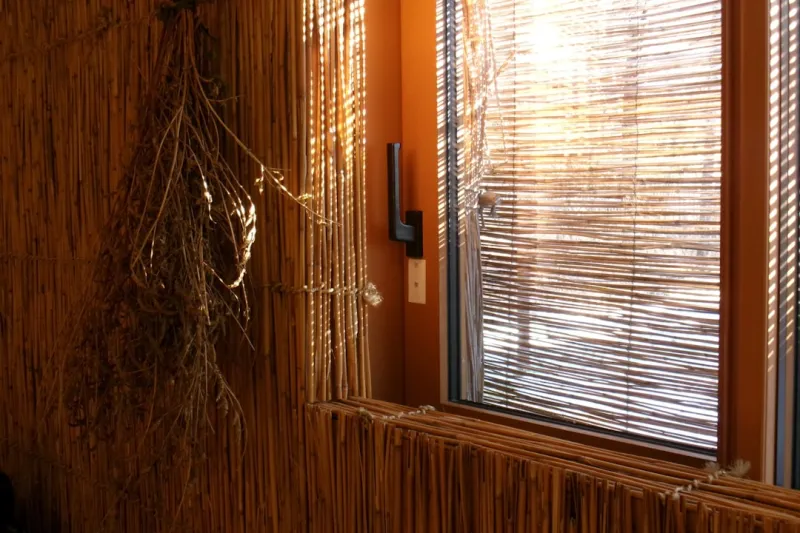
The Art of Sustainable Window Treatments: Style Meets Efficiency
From reclaimed wood blinds to low‑VOC curtains, I share the journey of choosing window treatments that honor sustainability while delivering the look I love. ...Read More
0 Comments
Post Comment
You will need to Login or Register to comment on this post!