
Rethinking Comfort: How Floor Heating Shapes Modern Living Spaces
When you step onto a warm surface, the sensation is instant, but the impact on how you design a room goes far beyond a fleeting feeling of coziness; it reshapes furniture placement, influences material choices, and even dictates the flow of traffic within a living area. By embedding heat beneath the floor, you free walls from the constraints of radiators, allowing larger windows and open‑plan concepts that blur the line between indoor and outdoor environments. This subtle yet powerful shift invites homeowners to prioritize clean lines and uncluttered aesthetics while still enjoying year‑round comfort without the visual clutter of traditional heating units.
Choosing the Right System for Every Room
Not all spaces benefit from the same type of underfloor heating; a kitchen demands rapid heat response to counter cold tiles, whereas a bedroom thrives on gentle, consistent warmth that promotes restful sleep. Electric mats excel in smaller, frequently renovated areas because they’re thin, lightweight, and easy to install, while hydronic loops deliver superior efficiency for large, open zones such as living rooms or sunrooms where long‑run heat distribution matters most. Understanding the unique thermal needs of each room ensures you invest in a system that balances performance, cost, and long‑term reliability.
Integrating Smart Controls for Seamless Automation
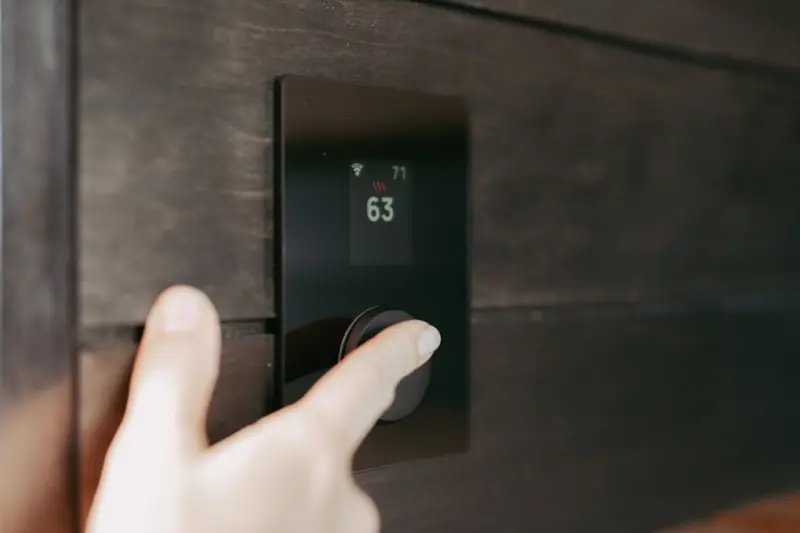
Today’s smart thermostats do more than set a temperature—they learn your schedule, respond to weather forecasts, and can be managed from any smartphone, turning floor heating into an intelligent partner rather than a passive appliance. By linking your underfloor system to a home automation hub, you can program zone‑specific schedules that sync with occupancy sensors, reducing energy waste while maintaining optimal comfort when you walk through the doorway. This level of precision not only cuts utility bills but also extends the lifespan of the heating elements by avoiding unnecessary cycling.
Energy Efficiency: The Hidden Savings of Radiant Warmth
Because floor heating warms a space from the ground up, it operates at lower water temperatures (in hydronic systems) or lower voltage settings (in electric models), which translates to less energy consumption compared to traditional forced‑air furnaces. The even distribution of heat eliminates cold spots, allowing homeowners to set thermostats a few degrees lower while still feeling warm, a practice that can shave up to 15 % off annual heating costs. Pairing radiant floor heat with high‑performance insulation and airtight construction creates a synergistic envelope that maximizes the return on every dollar spent.
Design Flexibility: Flooring Options That Play Nicely with Heat
One of the greatest myths about underfloor heating is that it restricts your flooring choices, yet modern systems are compatible with a wide array of surfaces—from engineered hardwood and luxury vinyl plank to natural stone and ceramic tile—provided the material’s thermal conductivity is considered during design. For example, stone and tile transmit heat quickly, delivering rapid warmth, while wood requires a slower ramp‑up to prevent expansion, which can be managed with a programmable thermostat. By selecting the appropriate flooring and installing a thermal break where needed, you preserve the aesthetic vision of your space without compromising performance.
DIY Installation: When the Handyman’s Toolkit Becomes Your Best Ally
For the confident DIYer, installing electric underfloor heating can be a rewarding weekend project, especially when you leverage resources like The Handyman’s Secret Weapon: Building a Flexible, Future‑Proof Toolkit to select the right tools and safety gear. Begin by preparing a clean, level substrate, then lay the heating mat according to the manufacturer’s spacing guidelines, securing it with thin‑set mortar or adhesive while ensuring no overlaps create hot spots. After the mat is set, connect it to a dedicated circuit and a compatible thermostat, run a thorough continuity test, and you’ll have a functional, energy‑savvy heating layer ready for the final flooring finish.
Retrofitting Older Homes Without Disruption
Historic houses often feature delicate floors and original plaster that can’t be torn up without compromising character, but low‑profile electric panels can be slipped under existing subfloors, delivering modern comfort with minimal intrusion. In cases where floor height is a concern, thin‑film carbon fiber heaters add just a few millimeters, preserving door clearances and transitions between rooms. This unobtrusive approach enables homeowners to upgrade thermal comfort while retaining the architectural integrity that makes older homes unique, marrying tradition with cutting‑edge technology.
Synergy with Renewable Energy Sources
Coupling underfloor heating with renewable power—such as rooftop solar panels or a home‑based heat pump—creates an eco‑friendly heating ecosystem that reduces reliance on fossil fuels and lowers carbon footprints. Solar electricity can directly power electric heating mats during daylight hours, while excess generation feeds back into the grid, potentially earning credits that offset nighttime heating costs. Meanwhile, hydronic systems paired with a geothermal heat pump capitalize on the earth’s stable temperature, delivering warmth with astonishing efficiency and reinforcing a home’s commitment to sustainability.
Future‑Proofing Your Home: Planning for Changing Needs
As families evolve, so do their spatial requirements; a room that once served as a formal dining area may become a home office or a playroom, and floor heating adapts effortlessly to these transitions without the need for re‑configuring radiators or ductwork. By installing a zoned control system now, you lay the groundwork for future modifications, ensuring each new use case inherits the same level of comfort and energy efficiency. This forward‑thinking strategy aligns with broader home resilience trends, such as those highlighted in Dynamic Weatherproofing: Turning Your Home Into a Smart Shield, where adaptability and smart integration become pillars of modern living.

Kelly Reynolds is a dynamic freelance writer hailing from the picturesque landscapes of Alberta. A master of the written word, she juggles her passion for storytelling with the exhilarating chaos of being a mother to five spirited children. With an impressive portfolio that spans various genres, Kelly captivates readers through her engaging blog posts and thought-provoking articles.
Related Posts
The Untapped Power of Radiant Floor Heating: Health, Efficiency, and Smart Integration
Radiant floor heating is evolving from a comfort feature to a strategic asset, delivering health ben... Read More

Radiant Floor Heating: The Next Competitive Edge for Modern Workspaces
Radiant floor heating delivers consistent, draft‑free warmth that enhances employee focus, improve... Read More

Radiant Comfort Meets Intelligent Infrastructure
Discover why modern floor heating is a strategic asset for businesses, delivering energy savings, he... Read More
Top Posts

Kitchen Renovations That Stand the Test of Time
A practical guide to building a kitchen that endures, with smart layout choices, durable materials, and forward‑thinking details that keep your space fresh fo...Read More

Predictive Property Maintenance: AI‑Driven Strategies for Proactive Care
Predictive maintenance uses real‑time sensor data and AI to spot building issues before they become costly repairs, offering a smarter, subscription‑friendl...Read More

Rediscovering Handcrafted Joinery: Why the Needle‑Nose Still Matters
A deep dive into the resurgence of hand‑cut joinery, showing how reclaimed timber, ergonomic workshops, and selective use of digital tools empower modern wood...Read More

Embracing Sustainable Window Treatments for a Greener Future
Learn how sustainable window treatments can reduce energy consumption, improve indoor air quality, and create a healthier living space. Explore the latest trend...Read More
0 Comments
Post Comment
You will need to Login or Register to comment on this post!