

Why Proactive Weather‑Proofing Is the New Home Investment Strategy
Every season brings a fresh set of challenges for the modern homeowner. A sudden hailstorm can dent a roof, a heat wave can drive indoor temperatures sky‑high, and an unexpected freeze can crack pipes in seconds. Historically, most families treated weather‑proofing as a reactive chore—seal a draft after the winter, replace a broken shingle after a storm. But as climate patterns become less predictable, the smartest homeowners are flipping the script: they’re turning weather‑proofing into a continuous, data‑driven strategy that protects assets, reduces operating costs, and even boosts resale value.
The Home Envelope: Mapping Where the Elements Slip In
The first step in any resilient‑by‑design plan is to understand the “home envelope”—the boundary that separates the conditioned interior from the outside environment. While traditional audits focus on obvious culprits like roofs and walls, a deeper look reveals hidden pathways: poorly sealed attic hatches, aging door sweeps, and gaps around utility penetrations. Each of these micro‑leaks not only wastes energy but also creates moisture‑laden pockets where mold can flourish and structural decay can begin.
What sets the modern approach apart is the use of infrared thermography combined with long‑term humidity monitoring. By scanning the entire envelope with a thermal camera and pairing the data with hygrometer readings, homeowners can generate a visual heat‑loss map that highlights precisely where insulation, sealing, or ventilation upgrades will deliver the biggest return.
Data‑Driven Weather Defense: Turning Forecasts Into Action
Imagine a system that reads the local meteorological service, predicts a 60 % chance of heavy rain for the next 24 hours, and automatically deploys protective measures—closing storm shutters, extending exterior awnings, and adjusting interior humidity set‑points. This is no longer a futuristic concept; it’s an emerging reality powered by IoT sensors, machine‑learning algorithms, and cloud‑based weather APIs.
At the core of this ecosystem are three layers:
- Sensor Layer – Compact, battery‑free devices placed on windows, doors, and roof edges monitor temperature gradients, pressure changes, and moisture levels.
- Analytics Layer – A lightweight AI model ingests sensor data alongside public forecasts, learning the patterns that precede leaks or drafts in your specific house.
- Actuation Layer – Smart actuators control weather‑responsive hardware such as motorized window seals, rain‑sensing awning extensions, and vent dampers.
When the system detects an impending storm, it can, for example, trigger a intelligent awning system to extend fully, shielding windows from wind‑driven rain. In the heat of summer, the same platform can retract awnings, lower interior blinds, and cue the HVAC to run at a more efficient set‑point, all while maintaining occupant comfort.
Smart Sealing Solutions: From Static Gaskets to Adaptive Barriers
Traditional weatherstripping is a one‑size‑fits‑all product that degrades over time. New generations of sealing materials, however, are engineered to respond to environmental cues. Self‑healing silicone compounds fill micro‑tears when exposed to UV light, while magnetic door seals create a compression fit that tightens as temperature drops, counteracting the natural contraction of wood frames.
For those seeking a high‑tech edge, electro‑active polymers can alter their shape on command. Integrated with the sensor‑analytics stack described above, these polymers can expand to block a gap during a windstorm and retract when the wind subsides, preserving natural ventilation without sacrificing protection.
Energy, Comfort, and Wellness: The Hidden Benefits of Weather‑Proofing
When the envelope is sealed and responsive, the interior climate becomes far more stable. A tighter envelope means the heating, ventilation, and air‑conditioning (HVAC) system runs less frequently, reducing both utility bills and greenhouse‑gas emissions. Moreover, a stable indoor temperature helps maintain indoor air quality, limiting the infiltration of outdoor pollutants and allergens—a point highlighted in a recent discussion on wellness‑focused envelope upgrades.
Comfort is not just about temperature. By preventing drafts, homeowners reduce the incidence of cold spots that can trigger “sick building syndrome” symptoms such as headaches and fatigue. A well‑sealed home also protects sensitive electronics and home‑office equipment from humidity spikes that could cause premature failure.
The Business Case: ROI, Insurance Savings, and Property Value
Proactive weather‑proofing is often dismissed as a discretionary expense, but a closer financial analysis tells a different story. According to industry data, each percent reduction in heat loss can translate into a 0.5 % increase in property value, particularly in regions where extreme weather events are common. Additionally, many insurers now offer premium discounts for homes equipped with automated weather‑defense systems, recognizing the reduced risk of water damage and wind‑related claims.
Beyond direct savings, there’s the intangible benefit of risk mitigation. A single roof breach can cost thousands in repairs and cause downtime for home‑based businesses. By preventing such incidents, homeowners safeguard not only their physical assets but also their productivity and peace of mind.
Implementation Roadmap: From Audit to Automation
Transitioning from a static, reactive approach to a dynamic, data‑driven system can feel overwhelming. Here’s a practical, step‑by‑step guide to help you navigate the journey:
- Comprehensive Envelope Audit – Hire a certified energy auditor equipped with thermal imaging tools. Document all heat‑loss and moisture‑gain points.
- Prioritization Matrix – Rank issues based on severity, cost, and potential ROI. Address structural vulnerabilities (roof, foundation) before cosmetic upgrades.
- Technology Selection – Choose sensor platforms that integrate with existing smart‑home ecosystems (e.g., Zigbee, Matter). Opt for open‑source firmware where possible to avoid vendor lock‑in.
- Pilot Installation – Start with a single zone (e.g., the master bedroom). Install a sensor suite, connect it to a cloud dashboard, and test automated responses.
- Scale and Refine – Expand the system to cover all exterior openings. Use the analytics engine to fine‑tune thresholds and reduce false positives.
- Maintenance Plan – Schedule bi‑annual firmware updates, sensor recalibrations, and visual inspections of sealing components.
Throughout this process, consider leveraging existing smart‑home hubs that already control lighting and climate. By adding weather‑defense modules, you can centralize control and benefit from unified automation scripts.
Future‑Proofing: The Role of Emerging Materials and Standards
Research into phase‑change materials (PCMs) is unlocking new possibilities for passive weather protection. These substances absorb excess heat during the day and release it at night, smoothing temperature swings without active HVAC input. When embedded in wall panels, PCMs act as an invisible thermal buffer, enhancing the envelope’s resilience against both heatwaves and cold snaps.
On the standards front, the International Organization for Standardization (ISO) is developing a “Dynamic Weather‑Proofing” protocol that will provide measurable benchmarks for automated sealing performance. Early adopters who align with these forthcoming criteria will not only future‑proof their homes but also gain a marketing edge when selling the property.
Conclusion: Weather‑Proofing as a Strategic Asset
In an era where climate volatility is the norm rather than the exception, treating weather‑proofing as an afterthought is no longer viable. By mapping the home envelope, embedding sensors, and automating protective actions—while simultaneously enhancing energy efficiency and indoor wellness—homeowners can transform a defensive chore into a strategic asset. The payoff is measurable: lower bills, higher resale value, reduced insurance premiums, and a sanctuary that stands strong against whatever the skies throw its way.

Paul Gray is a dynamic blogger based in Brampton, where he shares his life with his amazing wife, Sarah. Known for his engaging writing style and relatable insights, Paul has carved out a niche in the blogging world that resonates with readers from all walks of life. When he's not crafting captivating posts, you can find him savoring a cold beer or indulging in the latest blockbuster movie. With a friendly demeanor and a passion for storytelling, Paul brings a unique perspective to his work, making him not just a blogger, but a voice for those who appreciate the simple joys of life.
Related Posts

Turning Your Home Into a Weather‑Smart Fortress with Simple Sensors
Discover a proactive, sensor‑driven approach to weatherproofing that detects drafts, moisture, and... Read More
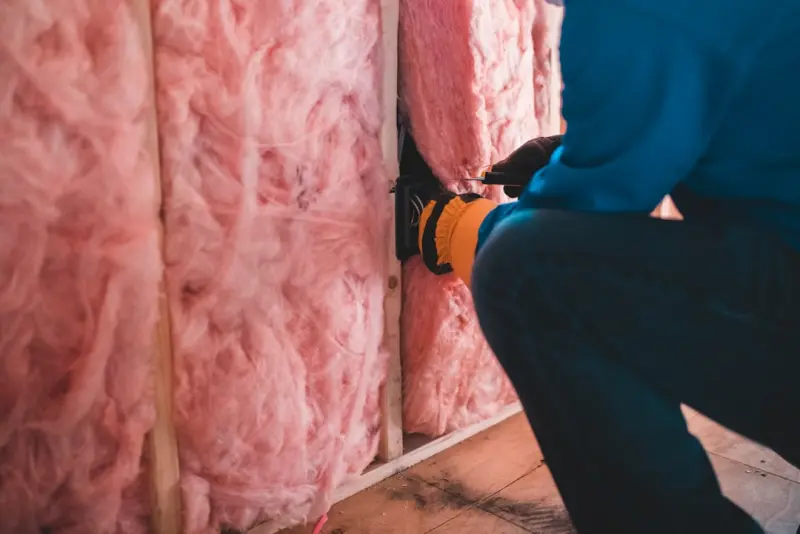
Weatherproof Your Home Like a Pro: Practical Hacks for Every Season
Learn a layered, data‑driven approach to home weatherproofing, from grading and drainage to smart ... Read More

Beyond the Caulking Gun: A Data‑Driven Blueprint for Weatherproofing Your Home
Learn a step‑by‑step, data‑driven approach to weatherproofing that uses micro‑climate sensor... Read More
Top Posts

The Sustainable Awning Revolution: Eco-Friendly Options for Your Home
Explore the world of sustainable awnings and learn how eco-friendly practices are changing the game. From recyclable materials to energy-harvesting technology, ...Read More
A Sustainable Kitchen Renovation That Feels Like Home
A personal, step‑by‑step guide to a sustainable kitchen remodel, blending reclaimed materials, smart appliances, and cozy design for a space that’s both b...Read More
Clean Ducts: The Underrated Engine of Workplace Comfort and Profit
A data‑driven approach to duct cleaning can slash energy costs, extend HVAC life, and improve employee health—turning a hidden maintenance task into a strat...Read More

The Hidden Power of Routine Property Maintenance: A Lifestyle Upgrade
Explore a fresh approach to property upkeep that blends mindfulness, smart tech, and community support, turning routine tasks into lasting value and peace of mi...Read More
0 Comments
Post Comment
You will need to Login or Register to comment on this post!