
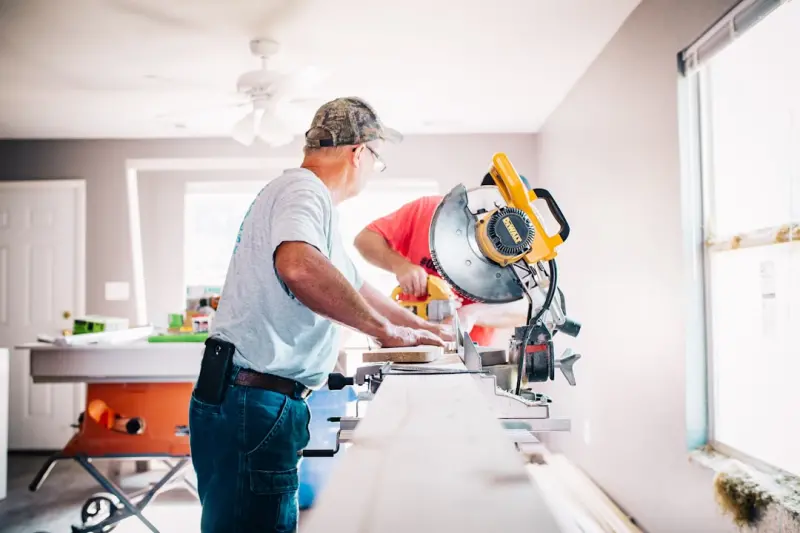
The Subscription Model Is Changing Handyman Workflows
When I first started swinging a hammer as a teenager, my calendar was a handwritten ledger of “Monday – kitchen faucet, Tuesday – backyard fence.” Fast forward a decade, and the same jobs are being booked, tracked, and billed through mobile platforms that look more like streaming services than traditional contractor paperwork. The handyman industry is quietly undergoing a subscription revolution, and it’s not just a buzzword—it’s a pragmatic response to today’s demand for predictability, transparency, and speed.
Clients are tired of the “one‑off” price shock that arrives after the last nail is hammered. Homeowners want to know, before the first drill bit hits, exactly how much they’ll spend over a six‑month or annual period. They also crave the comfort of knowing that routine maintenance—gutter cleaning, filter replacements, minor repairs—will be taken care of without them having to chase a phone number each time a squeak appears.
Enter the subscription handyman service. By packaging a suite of recurring tasks into a monthly or quarterly fee, contractors can smooth out cash flow, reduce the dreaded “dry spell” between large projects, and build lasting relationships with clients who become, effectively, members of a home‑care club. The model also incentivizes proactive maintenance, which means fewer emergency calls and a healthier bottom line.
Toolkits of the Future: Apps, IoT, and Data‑Driven Decision Making
Running a subscription service isn’t just about billing; it’s about delivering consistent, high‑quality work at scale. That’s where technology steps in. In my own shop, I’ve adopted three core tools that have transformed how I operate:
- Job‑Scheduling Apps: Platforms that let customers book, reschedule, or cancel appointments with a few taps. Integrated calendars automatically sync with my crew’s availability, cutting the back‑and‑forth that used to dominate my inbox.
- IoT‑Enabled Sensors: Smart humidity and temperature sensors in basements, for instance, can trigger alerts when conditions approach mold‑risk thresholds. A subscription plan can include sensor monitoring, turning a reactive repair into a preventive service.
- Analytics Dashboards: By aggregating data on job types, time spent, and parts used, I can identify trends—like a spike in faucet leaks after winter—that inform both inventory decisions and targeted client outreach.
These tools collectively turn a traditional handyman into a “home‑systems concierge.” The result? Faster response times, reduced waste, and a narrative that I’m not just fixing things, I’m optimizing the home environment.
Permits Made Simple: Turning Red Tape into Project Momentum
One of the biggest friction points for any handyman—especially those tackling structural or electrical work—is navigating permits. In the past, I’d spend hours on the phone with municipal offices, often ending up with a stack of paperwork that seemed to disappear into a void. The good news is that modern platforms now streamline this process, and I’ve learned to view permits not as obstacles but as opportunities to demonstrate professionalism.
For a deeper dive on how to turn the bureaucratic maze into a competitive edge, see Permit Power: Turn Red Tape into Project Momentum. The article outlines how digital permit portals, pre‑filled application templates, and real‑time status tracking can shave days off what used to be a week‑long waiting game.
In practice, I embed the permit timeline into my subscription contracts. Clients receive a transparent schedule: “Your deck permit will be approved by Day 5, construction will begin Day 7.” This level of clarity not only reduces client anxiety but also protects my crew from costly delays.
Building Trust with Transparent Reporting
When you’re paid monthly for a bundle of services, the client’s perception of value becomes a continuous conversation. A simple, well‑crafted report after each visit can be the difference between a churned subscription and a lifelong advocate.
Incorporating the insights from Seeing Beyond the Surface: A Home Inspector’s Guide to Insightful, Human‑Centric Reports has been a game‑changer. I now provide a “handyman health check” that includes:
- Photos of completed work, annotated with notes on condition and future maintenance recommendations.
- Quick‑look metrics like “filter life remaining” or “sealant wear percentage.”
- A prioritized to‑do list for the next quarter, aligned with the subscription scope.
These reports are delivered via a client portal where homeowners can comment, ask questions, and even approve upcoming tasks with a click. The transparency builds a trust loop: clients see the value delivered, and I get the green light for the next round of work without a hard sell.
Future‑Proofing Your Handyman Business with Strategic Renovation Mindset
Even as a subscription service thrives on routine maintenance, growth inevitably means taking on larger, more complex projects. That’s where a strategic renovation mindset becomes essential. Rather than treating each job as an isolated fix, I now approach every request through the lens of long‑term home resilience.
For a practical framework, check out Strategic Renovation Checklist: Building Future‑Ready Spaces. The checklist helps me evaluate whether a seemingly simple repair could be an entry point for a broader upgrade—like swapping out outdated wiring during a bathroom remodel to accommodate smart lighting later on.
Integrating this mindset into the subscription model yields two major benefits:
- Upsell Opportunities: When a client sees that a small leak repair can be paired with a moisture‑sensor installation, the added value becomes evident, and the upgrade feels like a natural progression.
- Reduced Future Calls: By addressing latent issues now, the home experiences fewer surprise breakdowns, reinforcing the subscription’s promise of “peace of mind.”
In essence, the subscription model doesn’t lock you into low‑margin maintenance only; it creates a pipeline for strategic, higher‑value projects that keep the business thriving while still serving the homeowner’s best interests.
Marketing the Subscription Handyman: Storytelling Over Sales Pitches
When I first tried to pitch my subscription service, I fell into the trap of listing features: “24‑hour response, unlimited calls, free parts.” Prospects quickly tuned out. The breakthrough came when I shifted to storytelling. I shared anecdotes like the family who avoided a costly flood because a sensor flagged rising humidity, or the retired couple who finally felt safe after I installed handrails during a routine porch inspection.
Stories resonate because they tap into emotions—security, comfort, pride in a well‑maintained home. They also illustrate the tangible outcomes of the subscription model without sounding like a brochure. In my marketing materials, I now lead with a short narrative, then sprinkle in bullet points that reinforce the benefits.
Scaling Without Sacrificing Quality
One fear many handymen have when considering a subscription model is the potential loss of craftsmanship. “Will I become a factory line?” is a common internal dialogue. The answer lies in smart delegation and continuous training.
Here’s how I maintain quality while scaling:
- Specialized Sub‑Teams: I divide my crew into niche squads—plumbing, electrical, carpentry—each led by a senior technician who mentors junior members. This structure ensures that even routine tasks are performed by someone with deep expertise.
- Standardized SOPs: Detailed, step‑by‑step operating procedures (SOPs) are documented in a cloud‑based system. New hires can reference these SOPs on the job, guaranteeing consistency across all appointments.
- Feedback Loops: After each service call, the client fills out a short satisfaction survey. The data feeds directly into performance dashboards, allowing me to spot training gaps before they affect quality.
By investing in people and processes, the subscription model becomes a lever for quality, not a dilution of it.
Conclusion: The Handyman’s New Frontier
Subscription services, data‑driven tools, transparent reporting, and a strategic renovation mindset are reshaping what it means to be a modern handyman. It’s no longer just about fixing a leaky faucet; it’s about creating a living, breathing partnership with homeowners that anticipates needs, eliminates surprise costs, and ultimately enhances the longevity of the home itself.
If you’re a seasoned contractor looking to stay relevant, or a fresh‑out‑of‑the‑garage apprentice eager to differentiate yourself, the subscription model offers a clear path forward. Embrace the technology, tell the stories that matter, and watch your client relationships evolve from one‑off transactions to lifelong collaborations.
Remember: the tools of the trade have always been about making life easier. Today’s tools—apps, IoT sensors, and data dashboards—are simply the next generation of hammers and screwdrivers. Use them wisely, and the future of handyman work will be as steady and reliable as the homes we cherish.

Tom Ferguson is a Canadian freelance writer with a passion for storytelling, current events, and thoughtful commentary. Drawing on years of writing experience, he shares engaging insights on a wide range of topics, bringing a uniquely Canadian perspective to his work.
Related Posts
Spotting Hidden Home Issues Before They Cost a Fortune
Discover practical ways to spot hidden problems in your home early, avoid expensive fixes, and maint... Read More
The Handyman’s Playbook: Mastering Adaptive Home Repairs
A seasoned handyman shares a comprehensive playbook for evolving from reactive fixes to strategic ho... Read More
Handyman Hacks: Sustainable Fixes That Save Money and the Planet
Learn how a modern handyman can blend classic repairs with sustainable upgrades—saving money, ener... Read More
Top Posts

AI‑Powered Command Centers: The New Backbone of General Contracting
General contractors can overcome labor gaps and schedule overruns by adopting AI‑powered command centers that provide real‑time tracking, predictive resourc...Read More

Nature‑Infused Workspaces: Transforming Commercial Renovations for Profit and Well‑Being
A deep dive into biophilic commercial renovations, showing how integrating living walls, daylight, and natural materials can boost employee productivity, reduce...Read More
The Importance of Foundation Repair in Sustainable Home Restoration
Foundation repair is crucial for sustainable home restoration. Learn how addressing foundation issues can prevent costly damage and ensure the longevity of your...Read More

Biodiverse Lawns: Turning Grass into a Living Asset
Learn practical steps to replace a monoculture lawn with a resilient, biodiversity‑rich turf that conserves water, reduces maintenance costs, and enhances the...Read More
0 Comments
Post Comment
You will need to Login or Register to comment on this post!