
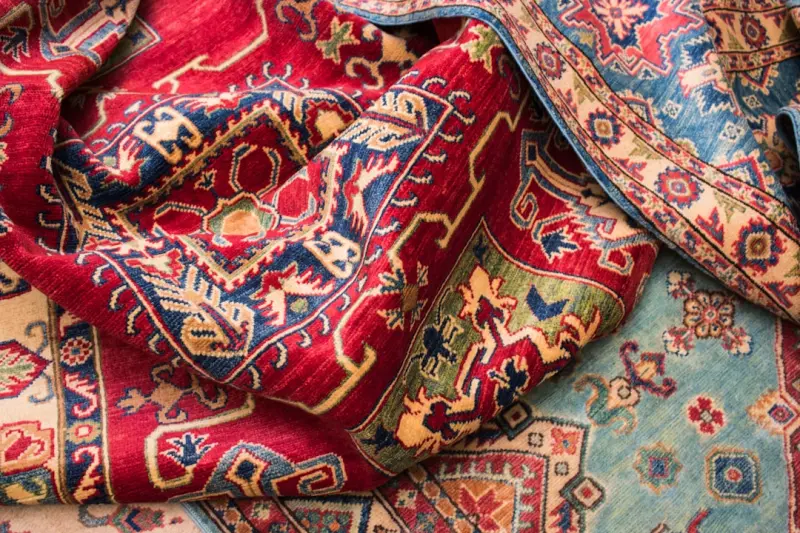
Why Carpet Care Deserves a Seat at the Table
Most homeowners think of carpet cleaning as a once‑a‑year chore, but it’s really the quiet engine that keeps a home comfortable and healthy. Every footstep, pet paw, and dropped snack deposits a microscopic layer of dust, oils, and allergens that can accumulate faster than we realize, turning a plush rug into a hidden health hazard. When I first started treating carpet maintenance like a regular check‑up, the difference in indoor air quality and overall comfort was unmistakable, and the results spoke louder than any glossy advertisement.
The Air We Breathe: Carpets as Silent Air Filters
Carpets trap particles that would otherwise circulate in the air, which is a double‑edged sword—great for reducing visible dust, but risky when those particles become breeding grounds for mold and bacteria. A recent deep‑clean revealed how the hidden costs of DIY mold removal can quickly outweigh any savings if you ignore the micro‑environment beneath your feet. By scheduling professional steam extractions or using high‑efficiency HEPA vacuums, you break the cycle of allergen buildup and protect vulnerable family members from chronic respiratory issues.
Extending Fiber Life: The Economics of Longevity
The fibers in a quality carpet are engineered to withstand years of traffic, yet they’re not indestructible; dirt acts like sandpaper, gradually wearing down the weave. Regular hot‑water extractions or encapsulation cleaning removes abrasive grit, preserving the structural integrity of the yarn and postponing the need for a costly replacement. In my experience, a well‑maintained carpet can outlive its projected lifespan by a decade, delivering a tangible return on investment that most homeowners overlook.
Visual Appeal and Mood: The Psychology of Clean Carpets
There’s a subtle but powerful psychological boost that comes from stepping onto a clean, fresh‑smelling carpet after a long day. Color vibrancy and texture return, making rooms feel larger and more inviting, which can influence mood, productivity, and even social interaction. I’ve watched families gather on a freshly cleaned living‑room rug and notice an immediate shift toward relaxation and conversation, proving that cleanliness isn’t just about hygiene—it’s about creating a welcoming atmosphere.
Hidden Savings: Energy Efficiency and Floor Heating
When carpets become clogged with dirt, they act as insulators that trap heat, forcing HVAC systems to work harder to maintain comfortable temperatures. A clean pile allows heat to flow more evenly, especially in homes with radiant floor heating, leading to measurable energy savings on utility bills. Pair this insight with the fact that a cleaner carpet reflects light better, reducing the need for additional lighting in darker spaces—a subtle synergy that adds up over time.
Sustainable Cleaning: Going Green Without Compromise
Eco‑friendly carpet care is no longer a niche; biodegradable shampoos, low‑temperature steam, and reusable microfiber pads are now standard in many professional kits. By choosing green products, you reduce chemical runoff and protect indoor air while still achieving a deep clean. I’ve swapped traditional detergents for plant‑based solutions and found that they lift stubborn stains just as effectively, all while aligning with a broader commitment to environmental stewardship.
DIY vs. Professional: Finding the Sweet Spot
Do‑it‑yourself methods can be tempting for budget‑conscious homeowners, but they often lack the equipment and expertise needed for a true deep clean. Over‑watering, insufficient extraction, or using the wrong cleaning agents can damage fibers and lead to lingering odors. Professionals bring industrial‑strength machines, precise moisture control, and seasoned judgment, ensuring that the carpet is not only clean but also protected against future wear.
Creating a Maintenance Rhythm That Works
The key to effortless carpet care is establishing a realistic cleaning schedule that fits your lifestyle. I recommend a high‑efficiency vacuuming session twice a week, spot‑cleaning spills immediately, and a full‑scale extraction every 12‑18 months, adjusted for high‑traffic areas like hallways and entryways. By treating maintenance as a series of small, consistent actions, you avoid the overwhelm of massive, infrequent overhauls.
Tech‑Driven Innovations: From Steam to Encapsulation
Modern carpet cleaning technology offers options that balance speed, effectiveness, and safety. Steam cleaning delivers deep‑penetrating heat that sanitizes without harsh chemicals, while encapsulation uses polymer‑based solutions that crystalize dirt for easy removal, leaving less moisture behind. Both methods have their merits, and many professionals now blend them to tailor treatments to specific fiber types and contamination levels, ensuring optimal results every time.
Conclusion: Make Carpet Care a Cornerstone of Home Wellness
When you view carpet cleaning as an integral part of your home’s health routine, the benefits ripple through every aspect of daily life—from clearer air and lower energy bills to a more inviting aesthetic and longer‑lasting flooring. Embrace the habit, leverage professional expertise when needed, and choose sustainable products to keep your home thriving. A cleaner carpet isn’t just a visual upgrade; it’s a strategic investment in the well‑being of everyone who walks across it.

Tom Ferguson is a Canadian freelance writer with a passion for storytelling, current events, and thoughtful commentary. Drawing on years of writing experience, he shares engaging insights on a wide range of topics, bringing a uniquely Canadian perspective to his work.
Related Posts
The Sustainable Path to Spotless Carpets: Modern Cleaning Techniques and Green Practices
Explore how eco‑friendly carpet cleaning blends modern technology, sustainable solutions, and prac... Read More

Reviving Your Home, One Stain at a Time: The Power of Professional Carpet Cleaning
Dirty carpets can harbor allergens, dust mites, and bacteria, exacerbating respiratory issues and cr... Read More

When Clean Meets Green: Rethinking Carpet Care for a Healthier Home
Explore a data‑driven, low‑impact approach to carpet cleaning that reduces water use, eliminates... Read More
Top Posts

Thermal Energy Storage: The Quiet Powerhouse Behind Modern HVAC Efficiency
Thermal energy storage (TES) captures excess cooling or heating when utility rates are low and releases it during peak demand, delivering significant cost savin...Read More

Masonry’s Modern Renaissance: Brick, Block, and Stone Reimagined for Sustainable Design
Masonry is experiencing a quiet resurgence as architects adopt new materials, digital design tools, and proactive maintenance to create resilient, energy‑effi...Read More

Shielding Your Home: Innovative Weather‑Proofing Strategies for Modern Living
A comprehensive guide to modern weather‑proofing, covering advanced materials, smart sensors, seasonal maintenance, and cost‑effective upgrades that keep ho...Read More
Bringing the Outdoors In: Biophilic Kitchen Renovations for Healthier Homes
Explore a fresh approach to kitchen remodels that blends natural light, organic materials, and living greenery, creating a healthier, more inviting heart of the...Read More
0 Comments
Post Comment
You will need to Login or Register to comment on this post!