
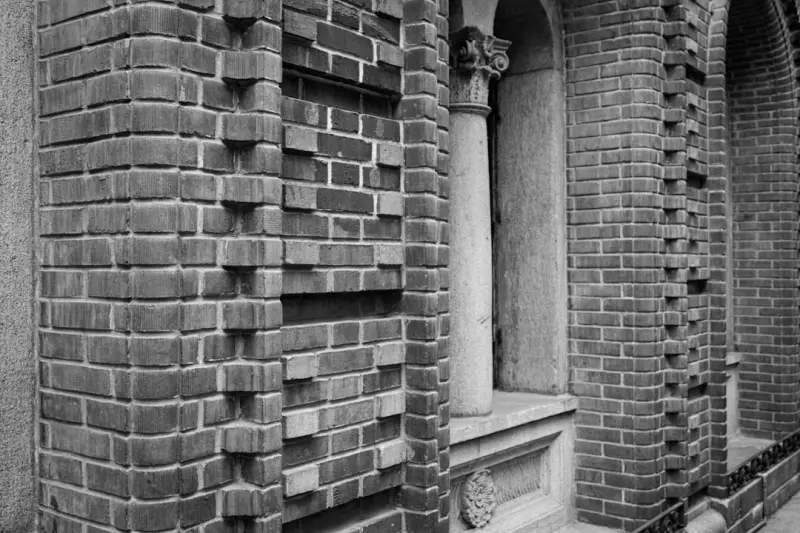
Masonry’s Modern Renaissance: Brick, Block, and Stone Reimagined for Sustainable Design
When most people think of masonry, the image that pops up is often a historic façade or a garden wall that has stood the test of time. Yet, beneath that nostalgic veneer lies a material system that is experiencing a quiet, powerful resurgence. In an era where sustainability, resilience, and speed are non‑negotiable, masonry is stepping out of the shadows and onto the front stage of contemporary architecture.
The Unseen Power of Thermal Mass
One of masonry’s most underappreciated attributes is its ability to store and release heat—known as thermal mass. In climates with pronounced temperature swings, a well‑designed masonry envelope can reduce heating and cooling loads dramatically. By absorbing solar gain during the day and releasing it when temperatures dip, walls made of brick, concrete block, or stone act like a passive climate control system. The result? Lower utility bills, reduced carbon footprints, and interiors that feel naturally comfortable.
Pairing masonry with strategic landscape design can amplify these benefits. For example, placing deciduous trees to shade walls in summer while allowing sunlight in winter creates a seasonal rhythm that works hand‑in‑hand with the wall’s thermal properties. Readers interested in how outdoor environments can enhance building performance might want to learn more about climate‑smart landscaping.
Material Innovations Driving the Shift
Traditional masonry isn’t being abandoned; it’s being upgraded. Modern manufacturing processes now offer low‑carbon bricks made from recycled aggregates, fly ash, or even bio‑based binders. These alternatives retain the structural integrity and aesthetic appeal of classic masonry while slashing embodied energy.
Concrete block manufacturers have introduced high‑strength, lightweight variants that can be installed faster without compromising durability. This is especially valuable for developers seeking to meet tight construction timelines without sacrificing quality. The industry’s push toward greener concrete aligns with broader efforts to rethink concrete applications across the built environment.
Digital Design Tools: From Hand Sketch to Algorithmic Precision
The days of drawing brick bonds on graph paper are largely over. Today’s architects leverage BIM (Building Information Modeling) and specialized masonry plugins that automatically calculate bond patterns, material quantities, and structural loads. These tools reduce waste, accelerate procurement, and ensure that every block is placed with purpose.
Beyond simple quantity take‑offs, advanced simulation software can predict how a masonry wall will behave under wind, seismic, or fire loads. This data‑driven approach not only boosts safety but also opens the door to innovative design expressions—think curved brick arches or perforated stone façades that were once deemed too risky.
Integrating Masonry with Prefabrication
Prefabrication is often associated with steel or modular panels, but the industry is witnessing a quiet infiltration of masonry into the prefab world. Companies are now producing pre‑cast brick panels and block modules that arrive on‑site ready to be bolted or glued into place. This hybrid method marries the timeless aesthetics of masonry with the speed and precision of factory production.
Key benefits include:
- Reduced labor costs: Fewer manual bricklaying hours mean lower on‑site labor expenses.
- Enhanced quality control: Factory environments allow for stricter tolerances and consistent finish.
- Minimized weather delays: With components fabricated off‑site, construction can proceed regardless of rain or extreme temperatures.
Resilience in the Face of Climate Change
Extreme weather events are no longer outliers; they’re becoming the norm. Masonry’s inherent fire resistance, wind durability, and low maintenance requirements make it a frontline defense against these challenges. For instance, brick walls can endure high wind pressures without the risk of buckling, while stone façades can act as a thermal shield during wildfires.
Moreover, the longevity of masonry means fewer replacement cycles—a crucial factor when considering the environmental impact of demolition and new construction. Property owners looking for a long‑term, low‑maintenance envelope find masonry a compelling choice.
Health and Indoor Air Quality Benefits
Beyond energy performance, masonry contributes to healthier indoor environments. Unlike synthetic wall finishes that can off‑gas volatile organic compounds (VOCs), natural brick and stone are inert and breathable. They allow moisture to migrate through the wall assembly, reducing the risk of mold growth and improving indoor air quality.
This passive moisture regulation is especially valuable in tight, energy‑efficient buildings where mechanical ventilation systems dominate. By integrating a breathable masonry layer, designers can create a more balanced hygrothermal system.
Maintenance Strategies That Extend Life
While masonry is celebrated for its durability, proactive upkeep remains essential to preserve its performance. Simple actions such as regular mortar joint inspections, repointing when needed, and sealing against water infiltration can prevent costly repairs down the line.
For facilities managers seeking a systematic approach, the concept of preventative masonry care mirrors best practices from other trades. Establishing a schedule that includes visual checks after severe weather, moisture testing, and targeted cleaning can keep walls in peak condition for decades.
Those interested in a broader perspective on asset stewardship might also explore insights on preventative property care.
Case Studies: From Historic Renovation to New Construction
Urban Mixed‑Use Development – A downtown revitalization project combined reclaimed brick with contemporary glazing. The masonry provided thermal mass, reducing HVAC loads by up to 15%, while the glass allowed natural daylight to flood interior spaces.
Suburban School Campus – An elementary school incorporated insulated concrete block walls with integrated HVAC ducts. The design achieved a 20% reduction in energy use and earned a regional sustainability award for its low‑embodied‑carbon envelope.
Rural Barn Conversion – A historic barn was transformed into a coworking hub using a hybrid of stone veneer and prefabricated brick panels. The result was a structure that retained its rustic charm while meeting modern code requirements for fire resistance and acoustics.
Future Outlook: What’s Next for Masonry?
Looking ahead, three trends are poised to shape the next chapter of masonry:
- Carbon‑capture bricks: Emerging technologies embed captured CO₂ into the brick matrix, turning each unit into a tiny carbon sink.
- Smart sensors embedded in mortar: These devices can monitor moisture levels, temperature, and structural strain, alerting owners to potential issues before they become visible.
- Hybrid façades: Combining masonry with photovoltaic panels or green walls creates multifunctional skins that generate energy, manage rainwater, and provide insulation simultaneously.
As the construction industry continues to chase higher performance metrics, masonry’s blend of heritage, durability, and adaptability ensures it will remain a cornerstone of sustainable design. By embracing new materials, digital tools, and proactive care, architects and builders can unlock the full potential of brick, block, and stone—proving that old‑world craftsmanship still has a vital place in tomorrow’s built environment.

William Roy is a freelance writer originally from Montreal who moved to Ottawa with his wife of 50 years to be closer to their grandkids. Alongside his writing, William has a passion for fishing.
Related Posts
The Art of Adaptive Masonry: Tradition Meets Modern Technology
Explore the resurgence of masonry, where traditional craftsmanship fuses with innovative mortars, pr... Read More
Masonry Unlocked: Data‑Driven Craftsmanship for Resilient Cities
Masonry is evolving from a static craft to a data‑driven system. This post reveals how real‑time... Read More

Brick by Brick: How 3D‑Printed Masonry Is Redefining Urban Fabric
A deep dive into how large‑scale 3‑D printing is transforming traditional masonry, from engineer... Read More
Top Posts
AI Meets Glass: Transforming Windows & Doors into Intelligent Building Assets
Discover how AI-powered sensors and analytics turn ordinary windows and doors into dynamic, energy‑efficient, and secure components of a smart building, deliv...Read More

Smart Tree Care: Turning Canopies into Data‑Driven Assets
Learn how integrating smart sensors, predictive analytics, and maintenance dashboards turns tree care from a reactive task into a data‑driven strategy that sa...Read More
Power Quality Mastery: Turning Electrical Noise Into Business Strength
Power quality isn’t just a technical term—it’s a strategic asset. Learn how real‑time monitoring, AI analytics, and solid‑state circuit breakers can t...Read More

Crafting Competitive Edge: The Rise of Decorative Plaster in Commercial Spaces
Decorative plaster, once reserved for historic monuments, is now a strategic tool for modern businesses. This post explores how bespoke plaster finishes elevate...Read More
0 Comments
Post Comment
You will need to Login or Register to comment on this post!