
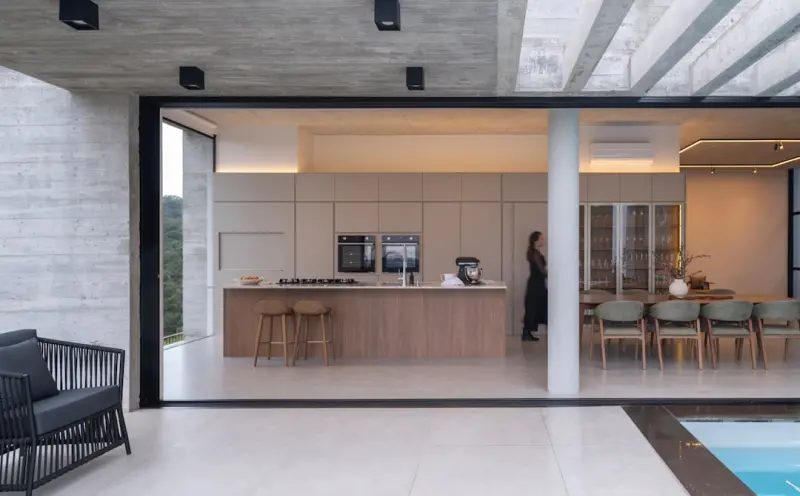
When I first stood in my grandmother’s kitchen, the air was thick with the scent of simmering rosemary and fresh‑cut pine. The wooden table bore the patina of generations, the window framed a garden that seemed to breathe life into the room. That memory has become my compass for every kitchen renovation I touch: how do we invite nature back into the heart of the home without sacrificing the sleek efficiency modern cooks demand?
Why a Biophilic Kitchen Is More Than a Trend
Biophilia isn’t just a buzzword for interior designers; it’s a fundamental human instinct to seek connections with the natural world. Studies show that exposure to natural elements can lower cortisol, improve focus, and even boost creativity. In a space where families gather, meals are prepared, and stories are shared, those benefits translate directly into healthier, happier daily rituals.
Unlike the personalized interior experiences driven by algorithms, biophilic design taps into our biology. It’s about texture, light, scent, and the subtle dialogue between stone, wood, and water. When done thoughtfully, a kitchen can feel like a greenhouse for the soul.
Core Elements of a Nature‑Infused Kitchen
- Living Walls & Vertical Gardens – A modest herb garden mounted on a reclaimed timber panel not only supplies fresh flavor but also adds a splash of green that softens stainless steel surfaces.
- Organic Materials – Opt for reclaimed hardwood countertops, river‑stone backsplashes, or bamboo cabinetry. These choices echo the textures found outdoors and often come with a lower environmental footprint.
- Maximized Natural Light – Large, strategically placed windows or skylights invite daylight to dance across the workspace, reducing the need for harsh artificial lighting.
- Water Features – A subtle, recirculating water element—perhaps a narrow trough beneath the sink—creates a soothing soundscape that masks the clatter of appliances.
- Earthy Color Palettes – Shades of moss, clay, and sky can be woven throughout the space, grounding the design. For a deeper dive into how color impacts mood, explore color science in kitchen design.
Step‑by‑Step Blueprint for a Biophilic Kitchen Renovation
1. Audit Your Space and Lifestyle
Begin with a candid assessment: How much sunlight does the room receive? What are the traffic patterns? Do you love cooking from scratch, or is the space more about quick meals? Answering these questions guides material selections and layout decisions that support both function and nature integration.
2. Choose Sustainable, Natural Materials
Look for certifications like FSC for wood or reclaimed stone from local demolition sites. Not only do these options reduce carbon footprints, they also add a story—an element that resonates with the emotional core of a kitchen.
3. Design for Light
If the existing window is small, consider installing a floor‑to‑ceiling glass panel or a light‑tube that channels daylight from the roof. For homes where privacy is a concern, frosted glass or adjustable louvered shutters maintain light while offering control.
4. Integrate Greenery
Start small with potted herbs on the countertop, then expand to a living wall. Use modular planters that attach to the backsplash or a dedicated vertical garden system. Choose low‑maintenance, culinary-friendly plants like basil, thyme, and mint.
5. Embrace Natural Textures and Finishes
Swap glossy laminate for a matte, hand‑finished finish on cabinets. Exposed concrete or brushed metal backsplashes add an industrial yet earthy vibe that complements wood and foliage.
6. Add Subtle Water Elements
A quiet water feature can become the kitchen’s auditory backdrop. Look for low‑flow, recirculating pumps to keep the installation eco‑friendly.
7. Fine‑Tune Lighting for Mood and Task
Layer lighting: ambient ceiling fixtures for overall illumination, under‑cabinet LEDs for prep work, and pendant lights made from natural fibers for decorative flair. Dimmable switches allow you to shift from bright, energizing daylight to a cozy, evening glow.
8. Incorporate Smart, Yet Unobtrusive Technology
While the focus is on nature, modern kitchens still benefit from discreet tech—think induction cooktops that heat only the pan, or sensor‑controlled faucets that reduce water waste. These tools enhance sustainability without stealing the organic spotlight.
Balancing Aesthetics and Functionality
Biophilic design isn’t about sacrificing practicality for pretty. A well‑planned layout—whether it follows the classic work triangle or adopts an open‑concept island—ensures that the kitchen remains efficient. Pairing natural materials with high‑performance appliances creates a harmonious blend: a copper pot that conducts heat brilliantly perched on a reclaimed wood island.
Case Study: From Cold Commercial to Warm Hearth
One of my recent projects involved a client who inherited a stainless‑steel, restaurant‑style kitchen. The space felt sterile, lacking the warmth needed for family gatherings. We introduced reclaimed pine cabinets, a living herb wall, and a skylight that poured in morning sun. The transformation was more than visual; the family reported feeling calmer during meals, and their teenage son began cooking more often, citing the “cool vibe” of the herb garden as his inspiration.
Maintaining the Biophilic Kitchen Over Time
- Regular Plant Care – Set a simple schedule: water in the morning, prune weekly, and rotate pots for even light exposure.
- Material Upkeep – Apply natural oil finishes to wood surfaces quarterly to preserve durability and sheen.
- Seasonal Refreshes – Swap out seasonal herbs or add a few fresh-cut flowers to keep the environment dynamic.
Measuring Success: The ROI of Wellbeing
Beyond the intangible feeling of serenity, biophilic kitchens can also deliver measurable returns. Homebuyers often prioritize natural light and eco‑friendly materials, which can increase property value. Moreover, a healthier cooking environment can reduce stress‑related health costs—a subtle, long‑term financial benefit.
Future‑Friendly Considerations
While the core of biophilic design is timeless, it dovetails nicely with emerging sustainability practices. Pair your nature‑centric kitchen with a circular design approach in other areas of the home, and you’ll create a cohesive, low‑impact lifestyle.
In the end, a kitchen isn’t just a place to prepare food; it’s a stage where life’s daily rituals unfold. By weaving nature back into that stage, you’re not merely renovating a room—you’re cultivating a sanctuary that nourishes body, mind, and soul.

When it comes to the world of blogging and writing, Rose DesRochers is a name that stands out. Her passion for creating quality content and connecting with her audience has made her a trusted voice in the industry. Aside from her skills as a writer and blogger, Rose is also known for her compassionate nature.
Related Posts
Rethinking Kitchen Renovations: A Multigenerational, Sustainable, and Tech‑Smart Blueprint
I share how to design a kitchen that serves every generation, uses reclaimed materials, hides clutte... Read More
Reimagining Kitchens: Sustainable Flexibility for Modern Life
Discover a fresh approach to kitchen renovations that blends modular design, reclaimed materials, an... Read More
The Subscription Kitchen: How Modular Design Is Redefining Home Cooking
Discover how modular, subscription‑style kitchen upgrades are transforming the heart of the home i... Read More
Top Posts

Design‑Build Mastery: Building Sustainable Homes with a Unified Vision
Explore the power of design‑build for sustainable homes, from integrated insulation and energy audits to green plastering and smart water management....Read More

How Intelligent Paving Is Revolutionizing Urban Mobility
Intelligent paving embeds sensors, adaptive materials, and AI into roadways, delivering predictive maintenance, stormwater management, energy harvesting, and sa...Read More

Paving the Way: Turning Hardscapes into a Competitive Advantage
A forward‑looking look at how data‑driven paving transforms concrete from a passive surface into a strategic asset that enhances safety, sustainability, and...Read More

The Handyman’s New Playbook: Turning One‑Off Jobs into Ongoing Relationships
The post explores how handymen can evolve from reactive repair technicians to proactive home‑care partners by adopting digital dashboards, AR diagnostics, too...Read More
0 Comments
Post Comment
You will need to Login or Register to comment on this post!