

Why Countertops Deserve a CFO’s Attention
When I first stepped onto a showroom floor, the glossy slabs and textured slabs were just backdrops for kitchen photography. Today, after years of consulting on commercial interiors and watching countless renovation budgets bleed, I’ve learned that a countertop is more than a surface—it’s a financial lever. The right choice can shave months off a project timeline, boost resale value, and even reduce operating expenses. The wrong one can become a hidden liability that eats into margins long after the ribbon‑cutting ceremony.
The True Cost of a Countertop
Most clients start with a simple question: “What’s the price per square foot?” While that’s a necessary data point, it’s only the tip of the iceberg. Below are the five cost buckets that truly determine the ROI of a countertop:
- Material Acquisition – raw material price, freight, and import duties.
- Fabrication & Installation – cutting, edge profiling, sealing, and labor hours.
- Maintenance Lifecycle – cleaning agents, resealing, and repair frequency.
- Health & Safety Impact – VOC emissions, bacterial resistance, and ergonomics.
- End‑of‑Life Management – recyclability, landfill diversion, and potential resale.
When you aggregate these, the headline “$80 per foot” either inflates or deflates dramatically. For instance, a high‑end engineered stone may seem pricey upfront, but its low maintenance and long lifespan can translate to a net gain of 30 % over a decade compared with a cheaper laminate that requires annual refinishing.
Material Selection: Beyond Aesthetics
Let’s break down the most common families and what they really mean for the bottom line.
Engineered Quartz
Quartz slabs are a blend of natural quartz aggregates and polymer binders. Their biggest selling point is consistency: no seams, no porosity, and a predictable performance curve. The downside? The resin component can off‑gas in hot, humid environments, which may affect indoor air quality. From a financial perspective, the initial outlay is higher, but the maintenance cost is near‑zero—no sealing, no special cleaners.
Natural Stone (Granite, Marble, Soapstone)
Natural stone carries a heritage appeal that can boost a property’s perceived value. However, it’s also a “maintenance‑intensive” asset. Granite needs sealing every 1‑2 years, marble is prone to etching, and soapstone requires periodic oiling. If you factor in the labor for resealing and potential damage repairs, the total cost of ownership can outpace engineered options, especially in high‑traffic commercial kitchens.
Recycled Content Surfaces
There’s a growing market for countertops made from post‑consumer glass, reclaimed wood, and even industrial by‑products like fly ash. These products often qualify for green‑building credits (LEED, BREEAM), which can unlock tax incentives or financing benefits for developers. While the per‑square‑foot price may be comparable to mid‑range quartz, the environmental ROI—in terms of carbon credits and brand positioning—can be a decisive factor for corporate clients.
Laminate & High‑Pressure Laminates (HPL)
Laminate remains the budget workhorse. The material cost is minimal, and installation is quick. However, it’s the most vulnerable to heat, scratches, and delamination. In a commercial setting where turnover is high, the replacement cycle can be as short as five years, eroding any upfront savings.
Designing for Longevity, Not Just Wow‑Factor
Many architects and designers chase visual drama—think oversized waterfall edges or bold color inlays. While those features can be great for marketing decks, they often add hidden costs:
- Complex Edge Profiles require additional machining time and increase the likelihood of chipping during transport.
- Integrated Features such as built‑in cutting boards or sinks demand precise tolerances and can complicate future repairs.
- Exotic Finishes like polished marble or high‑gloss quartz may look stunning, but they also show fingerprints, water spots, and wear more readily, prompting more frequent touch‑ups.
My recommendation? Prioritize functionality first. A simple, straight edge paired with a durable, low‑porosity material often yields a better ROI than an elaborate design that requires custom tooling and specialized maintenance regimes.
Health Implications: The Silent Cost
Countertops sit at the intersection of food preparation, cleaning chemicals, and human interaction. The surface you choose can influence both occupant health and operational expenses.
VOC Emissions
Resin‑based countertops (many quartz products) can release volatile organic compounds (VOCs) when exposed to high heat. In a commercial kitchen, this translates to higher HVAC loads and potential compliance issues with indoor air quality standards. Selecting a low‑VOC material or ensuring proper ventilation can mitigate these hidden energy costs.
Antimicrobial Properties
Some manufacturers embed silver‑ion or copper‑based antimicrobial agents into the surface matrix. While the science is still evolving, early adopters report fewer surface‑borne pathogens, which can lower cleaning chemical usage and reduce sick‑day absenteeism—a subtle yet measurable financial benefit.
Ergonomic Considerations
The height and edge radius of a countertop affect worker fatigue. A poorly designed surface can increase the risk of repetitive strain injuries (RSI), leading to higher workers’ compensation claims. Investing in ergonomically tuned heights (often 36‑38 inches for standard workstations) and rounded edges can pay dividends in employee health and productivity.
Integrating Countertops with Building Systems
One of the most exciting developments I’ve observed is the convergence of countertop design with broader building‑wide technologies. While many think of “smart” countertops as touch‑screens, the real value lies in how the surface can interface with other systems.
For example, by treating a countertop as a integrated tile ecosystem, you can embed temperature sensors that feed data to a building management system (BMS). This enables automatic adjustments to ventilation when the surface temperature spikes, protecting food safety and optimizing energy use.
Another under‑explored synergy is pairing countertops with advanced plastering techniques on adjacent walls. Together, they create a continuous, low‑permeability envelope that reduces moisture migration—a critical factor in humid climates where countertop delamination is a common failure mode.
Resilience in the Age of Climate Uncertainty
Extreme weather events are no longer rare anomalies; they’re becoming the norm. Countertops, especially in coastal or flood‑prone regions, must be chosen with resilience in mind.
- Water Resistance – Materials like high‑density quartz and engineered stone have low absorption rates, making them less susceptible to warping after water exposure.
- Thermal Shock Tolerance – Rapid temperature changes can cause cracking in natural stone. Engineered options are engineered to withstand these stresses.
- Impact Resistance – In commercial settings, heavy equipment can be dropped. Surfaces with high impact resistance reduce the need for costly repairs.
Choosing a resilient surface not only protects the immediate asset but also safeguards the broader building envelope, reducing insurance premiums and potential downtime after a disaster.
Financial Modeling: A Simple Framework
To help stakeholders visualize the payoff, I use a five‑year net present value (NPV) model that incorporates the cost buckets discussed earlier. Here’s a stripped‑down version you can adapt:
Year 0: Material + Installation (cash outflow)
Year 1‑5: Maintenance, Energy, Health (cash outflows)
Year 5: Residual Value (cash inflow)
Discount Rate: 8%
NPV = Σ (Cash Flow_t / (1+0.08)^t)
Plugging in realistic numbers for a mid‑range quartz versus a high‑end natural stone often reveals that the quartz option achieves a higher NPV, despite a higher upfront cost. This model can be a persuasive tool in boardrooms where capital‑allocation decisions hinge on quantifiable metrics.
Closing the Loop: End‑of‑Life Strategies
Most procurement processes treat a countertop as a “use‑and‑discard” item. Yet, the industry is moving toward circularity. Here are three strategies you can implement today:
- Design for Disassembly – Use mechanical fasteners instead of adhesives where possible, enabling easier removal and recycling.
- Partner with Reclamation Firms – Several companies specialize in grinding down old slabs into aggregate for new engineered surfaces, closing the material loop.
- Leverage Take‑Back Programs – Some manufacturers offer “cradle‑to‑cradle” take‑back services, providing credits that can offset future material purchases.
These initiatives not only reduce landfill waste but can also generate secondary revenue streams or cost offsets, especially in markets where sustainability metrics are tied to financing terms.
Key Takeaways for Decision‑Makers
- Look beyond price per square foot; evaluate total cost of ownership across five buckets.
- Prioritize durability, low maintenance, and health‑impact factors to protect the bottom line.
- Integrate countertops with broader building systems for energy savings and data insights.
- Use simple NPV models to articulate financial benefits to stakeholders.
- Plan for end‑of‑life recycling or reclamation to enhance sustainability credentials and unlock potential credits.
In my experience, the countertop is the most overlooked lever in a project’s financial equation. By treating it as a strategic asset rather than an afterthought, you’ll unlock value that resonates throughout the building’s lifecycle.

David MacKinnon is a dynamic freelance writer known for his captivating storytelling and keen insights into the world of technology. With a passion for exploring the intersection of innovation and everyday life, he crafts engaging narratives that not only inform but also inspire his readers.
Related Posts
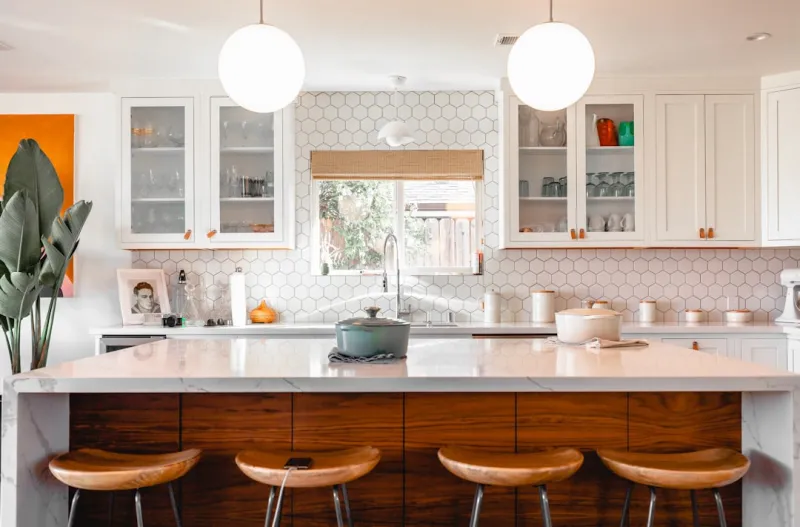
Revolutionizing Kitchen Design: The Impact of Countertops on Home Value
Explore the transformative power of countertops in kitchen design, from enhancing aesthetics and fun... Read More
Choosing the Perfect Countertop for a Sustainable, Smart Kitchen
Explore the best sustainable countertop materials, from quartz to reclaimed wood, and learn how smar... Read More
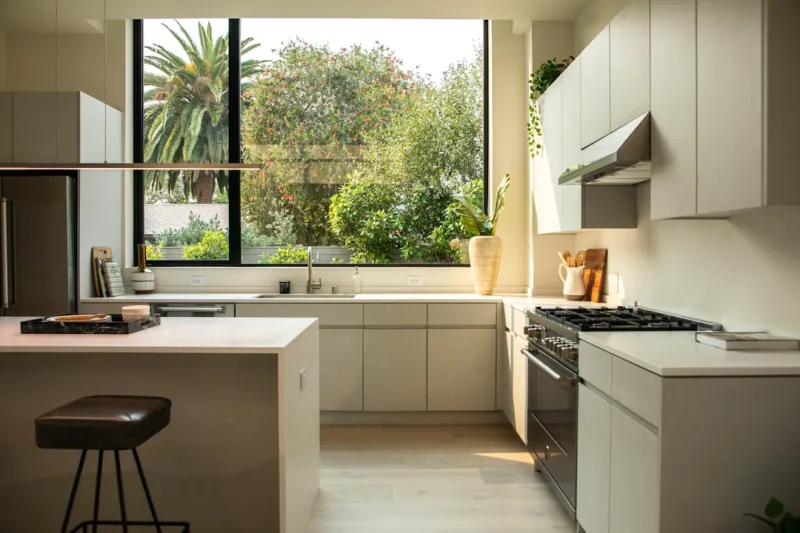
Revolutionizing Kitchen Design: The Future of Countertops
The future of countertops is here. Learn how sustainable materials, innovative manufacturing process... Read More
Top Posts
From Reactive to Relational: Turning Property Maintenance into a Tenant‑Centric Experience
Discover a step‑by‑step framework to shift from reactive repairs to relational maintenance, turning every work order into a trust‑building opportunity tha...Read More

Tree Care as a Strategic Asset: From Soil to Skyline
A deep dive into practical tree care: early warning signs, seasonal pruning, soil health, tech‑enabled monitoring, and community stewardship—all designed to...Read More

Designing for Neurodiversity: Architecture That Listens
A deep dive into neuroinclusive design, offering practical strategies—adaptive lighting, acoustic zoning, modular layouts, and smart tech—to craft architect...Read More

Seeing Beyond the Surface: How Thermal Imaging Transforms Home Inspections
Thermal imaging lets inspectors see hidden leaks, insulation gaps, and electrical hotspots, turning invisible problems into clear, actionable insights for homeo...Read More
0 Comments
Post Comment
You will need to Login or Register to comment on this post!