
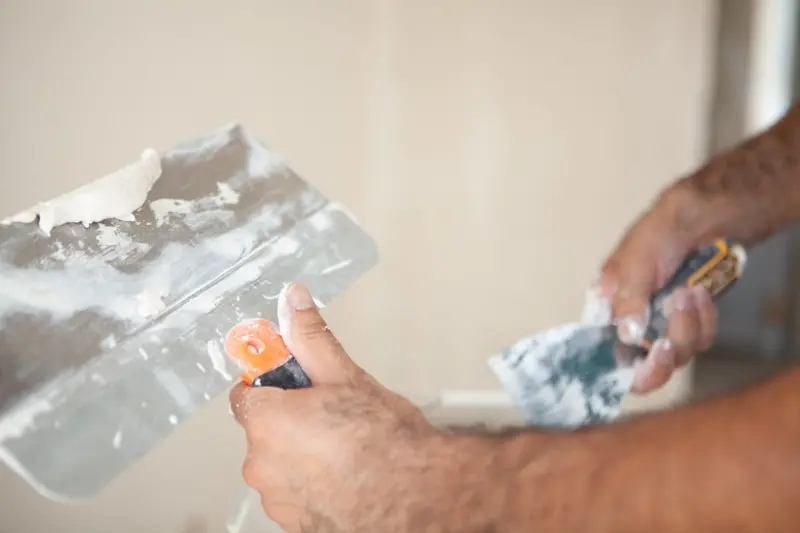
The Hidden Value of Plaster
When most people think about the interior envelope of a building, plaster is the last thing that jumps to mind. It sits quietly behind paint, tile, or wallpaper, yet it is a pivotal player in a structure’s thermal envelope, acoustic performance, and even its indoor‑air quality. Modern construction teams are beginning to treat plaster not as a decorative afterthought but as a strategic asset—one that can help meet aggressive sustainability goals while delivering healthier spaces for occupants.
Eco‑Friendly Binders and Additives
Traditional gypsum plaster, while easy to work with, relies on a mining process that can be environmentally intensive. The industry’s response has been a wave of low‑impact alternatives:
- Recycled Gypsum: Post‑industrial waste gypsum is ground back into a usable powder, cutting the need for virgin rock extraction.
- Hemp‑Lime Mixes: Combining hemp shives with lime creates a breathable, carbon‑sequestering plaster that can regulate humidity naturally.
- Silicate‑Based Plasters: These mineral plasters harden through carbonation, essentially locking CO₂ from the atmosphere into a solid matrix.
Choosing the right binder can reduce a project’s embodied carbon by up to 30 percent, according to recent life‑cycle analyses. Moreover, many of these alternatives can be sourced locally, further trimming transportation emissions.
Health‑Centric Finishes
Beyond the environmental footprint, plaster plays a direct role in occupant well‑being. A well‑applied plaster layer creates a continuous, non‑porous barrier that resists mold growth and inhibits the migration of VOCs from underlying substrates. When combined with natural pigments and non‑toxic additives, the finish itself can become a passive air‑cleaning surface.
Studies have shown that homes with lime‑based plaster experience lower indoor humidity swings, which translates to fewer dust mite colonies and a reduction in asthma triggers. For commercial properties, this can be a compelling differentiator in tenant attraction and retention.
Digital Tools Meet the Trowel
Plastering has traditionally been seen as a craft that relies on the artisan’s feel. While that tactile expertise is still essential, technology is reshaping how plaster is specified, mixed, and applied.
One of the most exciting developments is the integration of data-driven property care platforms with plaster performance monitoring. Sensors embedded in the plaster matrix can track moisture content, temperature gradients, and even structural strain in real time. The data streams into a cloud‑based dashboard, allowing facilities managers to schedule remedial work before cracks become visible.
Another breakthrough is the use of 3‑D printing heads that lay down plaster in precise layers. This technique reduces material waste by up to 20 percent and enables complex, organic wall geometries that would be impossible with a trowel alone. The result is a seamless blend of aesthetic freedom and material efficiency.
Business Benefits: Faster Turns, Lower Waste
From a contractor’s perspective, modern plastering offers tangible bottom‑line advantages:
- Reduced Labor Hours: Pre‑mixed, ready‑to‑apply blends cut mixing time by 40 percent, freeing crews for other critical tasks.
- Minimized Rework: Sensor‑enabled monitoring catches moisture issues early, preventing costly patch‑ups.
- Lean Material Management: On‑site batching systems, guided by digital mix calculators, ensure the exact proportion of binder, aggregate, and water, slashing over‑ordering.
- Enhanced Market Position: Projects that showcase low‑VOC, carbon‑sequestering finishes can command premium rents or sale prices, especially in green‑certified portfolios.
Case Study Snapshot
Consider a mid‑size office retrofit in the Pacific Northwest. The client demanded a LEED‑Gold certification and a healthier workspace for its 150 employees. The design team specified a hemp‑lime plaster for all interior walls, paired with a thin‑film moisture sensor network. The plaster mix was delivered via a mobile mixing unit calibrated by a cloud app that accounted for ambient temperature and humidity.
Results after six months:
- Embodied carbon of wall finishes down 28 percent versus conventional gypsum.
- Indoor humidity stayed within the 40‑60 % comfort band without mechanical dehumidification.
- Tenant satisfaction surveys reported a 15 percent increase in perceived air quality.
- Overall project schedule was compressed by nine days thanks to faster finish times and fewer change‑order requests.
Future Trends to Watch
While plaster may seem like a centuries‑old material, its evolution is far from static. Here are three trends that will likely shape the next wave of plastering innovation:
- Embedded Photocatalytic Particles: Nano‑titanium dioxide can be mixed into plaster to break down airborne pollutants under UV light, turning walls into active air purifiers.
- Thermal‑Regulating Additives: Phase‑change materials (PCMs) can be incorporated into the plaster matrix, storing excess heat during the day and releasing it at night, reducing HVAC loads.
- Integrated Aesthetic Controls: With programmable LED fibers woven into thin plaster panels, designers can create dynamic lighting effects without additional fixtures.
These advances reinforce plaster’s potential to act as a multi‑functional platform—combining structural, environmental, and experiential qualities in a single, cost‑effective layer.
Putting It All Together
For architects, contractors, and owners who view sustainability as a competitive advantage rather than a compliance checkbox, plaster offers a surprisingly rich toolkit. By selecting low‑impact binders, leveraging digital mix and monitoring solutions, and staying attuned to emerging functional additives, teams can turn a simple wall finish into a strategic differentiator.
In an industry where every kilogram of material and every labor hour is scrutinized, plaster’s blend of performance, health benefits, and aesthetic flexibility makes it an ideal candidate for next‑generation building envelopes. The next time you walk into a space that feels both sturdy and breathable, take a moment to appreciate the quiet work being done behind the scenes—one smooth coat at a time.

Tom Ferguson is a Canadian freelance writer with a passion for storytelling, current events, and thoughtful commentary. Drawing on years of writing experience, he shares engaging insights on a wide range of topics, bringing a uniquely Canadian perspective to his work.
Related Posts

Eco‑Focused Plastering: Green Materials & Future Techniques
A deep dive into modern plastering reveals eco‑friendly mixes, breathable walls for better indoor ... Read More

Plastering: The Unsung Hero of Modern Interiors
Plastering isn’t just a finish—it’s a design tool. I share how to choose the right mix, master... Read More

The Green Renaissance of Plaster: Turning Walls into Climate Allies
Plaster, often overlooked, offers low‑impact materials, natural thermal mass, moisture regulation,... Read More
Top Posts

Brick by Brick: How 3D‑Printed Masonry Is Redefining Urban Fabric
A deep dive into how large‑scale 3‑D printing is transforming traditional masonry, from engineered binders and embedded sensors to faster project timelines ...Read More

The Sustainability Shift in Plumbing: A Greener Future for Your Home
Learn how to make your home more eco-friendly with sustainable plumbing practices, innovative solutions, and expert tips from a seasoned plumber....Read More

The Sustainable Awning Revolution: Eco-Friendly Options for Your Home
Explore the world of sustainable awnings and learn how eco-friendly practices are changing the game. From recyclable materials to energy-harvesting technology, ...Read More
Warm Floors, Smart Data: Transforming Radiant Heating into a Business Asset
Explore the evolution of floor heating from a comfort feature to a data‑rich platform that drives energy efficiency, employee health, and strategic value for ...Read More
0 Comments
Post Comment
You will need to Login or Register to comment on this post!