
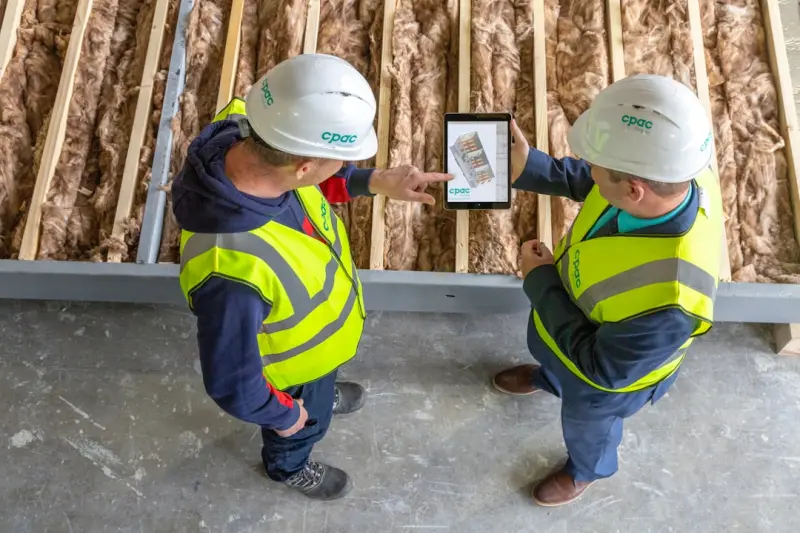
Insulation has always been the quiet workhorse of the building envelope, keeping heat where it belongs and noise where it doesn’t. Yet most owners and facility managers still treat it like an after‑thought—something you slap on after the structure is up, then forget about. What if you could turn that silent layer into a strategic asset that continuously delivers cost savings, health benefits, and operational insights?
Why Insulation Deserves a Seat at the Strategy Table
When you think about ROI, the first things that come to mind are usually revenue‑generating projects: new product lines, market expansion, or technology upgrades. Insulation, on the other hand, is traditionally viewed as a cost center. The reality is that high‑performance insulation pays for itself through three primary channels:
- Energy Efficiency: Reducing heating and cooling loads directly lowers utility bills.
- Occupant Comfort: Stable indoor temperatures improve productivity and reduce turnover in commercial spaces.
- Asset Longevity: Proper thermal regulation mitigates condensation, preserving structural components and extending the lifespan of building systems.
When you layer these benefits with data analytics, you unlock a feedback loop that continually optimizes performance.
From Static Blanket to Intelligent Skin
Today's insulation is no longer a static blanket of fiberglass or foam. Emerging materials—such as phase‑change composites, bio‑based fibers, and nanocellular aerogels—are engineered to react to temperature fluctuations, storing and releasing heat as needed. Pair that with embedded low‑power IoT sensors, and you have an intelligent skin that tells you exactly how it’s performing.
Imagine walking into a conference center and seeing a live dashboard that shows:
- Real‑time R‑value fluctuations across zones.
- Moisture ingress alerts before mold becomes an issue.
- Predictive maintenance cues for HVAC systems that are now working less hard.
This level of transparency transforms insulation from a passive element into an active data source. And the data is valuable: facility managers can benchmark performance, negotiate better utility rates, and even qualify for green financing.
Designing Insulation with Digital Twins
One of the most powerful ways to harness this data is through digital twin technology. By creating a virtual replica of a building’s envelope, you can simulate how different insulation assemblies behave under varying weather patterns, occupancy schedules, and equipment loads.
The process looks like this:
- Model the envelope: Use BIM tools to define wall, roof, and floor assemblies, including exact insulation thickness, density, and material type.
- Integrate sensor data: Feed real‑time readings from embedded sensors into the model.
- Run scenario analyses: Test how upgrades—like swapping out mineral wool for a bio‑based alternative—affect energy consumption and thermal comfort.
- Iterate and implement: Choose the optimal configuration and apply it in the field, then monitor the results against the twin’s predictions.
The advantage? You can “try before you buy,” avoiding costly over‑specification while ensuring you hit performance targets on day one.
Health‑First Insulation: Beyond Thermal Metrics
While energy savings dominate the conversation, the health angle is gaining traction, especially in workplaces where indoor air quality (IAQ) directly impacts employee wellbeing. Traditional insulation can trap pollutants or off‑gassing chemicals. Newer, low‑VOC, breathable insulation systems act like a filter, allowing moisture to escape while keeping contaminants out.
Coupled with AI‑driven IAQ monitoring, you can set thresholds that trigger ventilation adjustments before occupants feel discomfort. The result is a healthier environment and fewer sick‑days—a hidden cost saving that’s hard to quantify but undeniable in its impact.
Closing the Loop: Circular Insulation Strategies
Insulation waste has been an overlooked problem. Demolition projects generate tons of discarded foam and fiberglass, which often end up in landfills. Circular strategies are flipping that narrative:
- Re‑granulation: Old rigid foam is shredded, cleaned, and re‑formed into new insulation panels.
- Bio‑based upcycling: Agricultural residues (like hemp stalks or wheat straw) are processed into high‑R‑value batts, creating a market for what would otherwise be waste.
- Take‑back programs: Manufacturers offer end‑of‑life collection, refurbishing insulation for reuse in low‑risk applications such as attics or crawl spaces.
These practices not only reduce material costs but also align with ESG goals, making it easier for companies to report on sustainability metrics and attract environmentally conscious investors.
Economic Modeling: Quantifying the Payback
To convince CFOs, you need hard numbers. Here’s a simplified model that demonstrates the payback period for a mid‑size office building (approximately 150,000 sq ft) that upgrades from R‑13 fiberglass batts to a high‑performance bio‑based insulation with embedded sensors:
| Metric | Baseline | Upgraded |
|---|---|---|
| Annual Heating/Cooling Energy Use | 1,200,000 kWh | 960,000 kWh |
| Utility Cost @ $0.12/kWh | $144,000 | $115,200 |
| Annual Savings | — | $28,800 |
| Insulation Material Cost | — | $200,000 |
| Sensor & Integration Cost | — | $50,000 |
| Total Investment | — | $250,000 |
| Simple Payback | — | ~8.7 years |
But that’s only the tip of the iceberg. Add in the following:
- Reduced HVAC wear → lower maintenance budgets.
- Lower peak demand charges thanks to smoother load profiles.
- Potential rebates or tax incentives for using recycled or bio‑based materials.
When you stack these secondary benefits, the effective payback can shrink to under five years, making it a compelling case for senior leadership.
Implementation Roadmap: From Audit to Action
Getting there requires a systematic approach. Below is a step‑by‑step guide that aligns with most corporate procurement cycles:
- Baseline audit: Conduct a thermal imaging survey and install temporary sensors to capture current performance.
- Data analysis: Use analytics platforms to identify hot spots, moisture risks, and energy waste.
- Material selection: Choose insulation based on R‑value, embodied carbon, and health criteria.
- Digital twin setup: Model the building envelope and integrate sensor data streams.
- Pilot installation: Apply the new system in a single zone, monitor performance for 3–6 months.
- Scale rollout: Refine the approach based on pilot results, then deploy across the entire facility.
- Continuous optimization: Leverage AI to suggest operational tweaks—like adjusting set points—based on real‑time insulation data.
This roadmap ensures you’re not just buying insulation, but embedding a performance‑driven culture that continuously extracts value.
Future‑Proofing: What’s Next for Insulation?
While we’ve focused on the present, the trajectory points toward even tighter integration with building systems. Anticipate developments such as:
- Self‑healing foams that seal micro‑cracks automatically.
- Thermo‑electrical generators that harvest temperature differentials within walls to power low‑energy sensors.
- Dynamic R‑value materials that adjust conductivity based on external weather cues.
These innovations will further blur the line between passive envelope components and active, data‑rich assets.
Takeaway
Insulation is no longer a hidden cost; it’s a data source, a health guardian, and a sustainability lever. By marrying advanced materials with digital twins, IoT sensors, and circular strategies, you can transform a simple wall cavity into a revenue‑enhancing, risk‑mitigating powerhouse. The key is to shift the conversation from “how thick should the wall be?” to “what insights can the wall give us, and how do we act on them?” When you do, the ROI is no longer just about dollars—it’s about resilience, wellbeing, and a greener bottom line.

Tom Ferguson is a Canadian freelance writer with a passion for storytelling, current events, and thoughtful commentary. Drawing on years of writing experience, he shares engaging insights on a wide range of topics, bringing a uniquely Canadian perspective to his work.
Related Posts
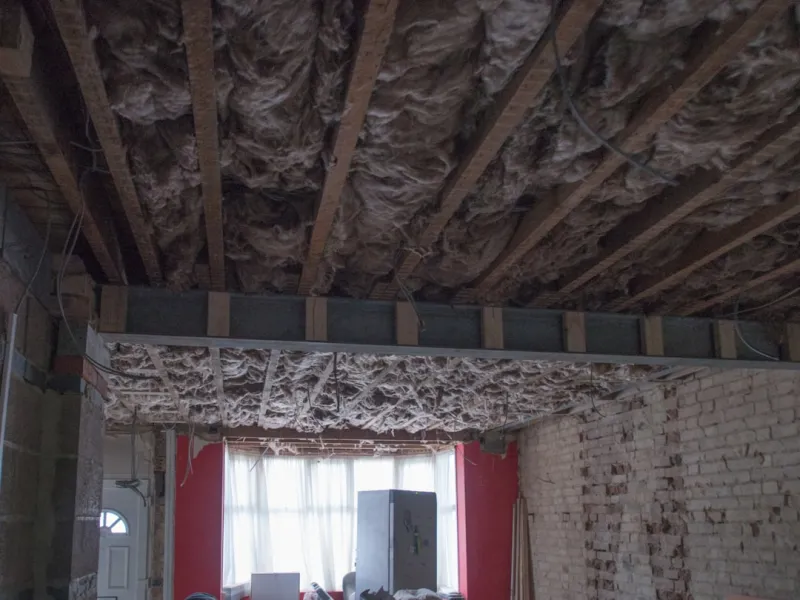
The Quiet Revolution: How Insulation Transformed My Home Comfort and Bills
Learn the insider tricks Kelly Reynolds used to turn insulation into a powerhouse of comfort, energy... Read More
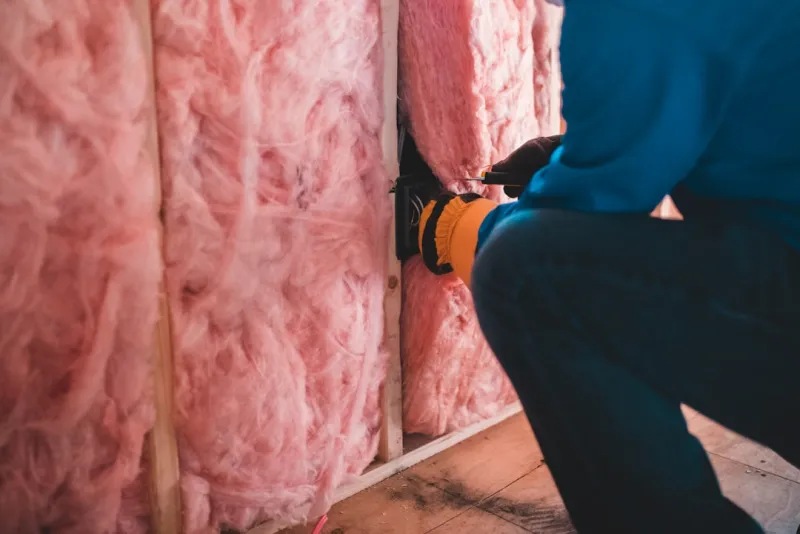
The Insider’s Guide to Insulation: Turning Your Home into a Sustainable Sanctuary
Unlock the power of insulation with expert tips on material selection, climate‑specific strategies... Read More
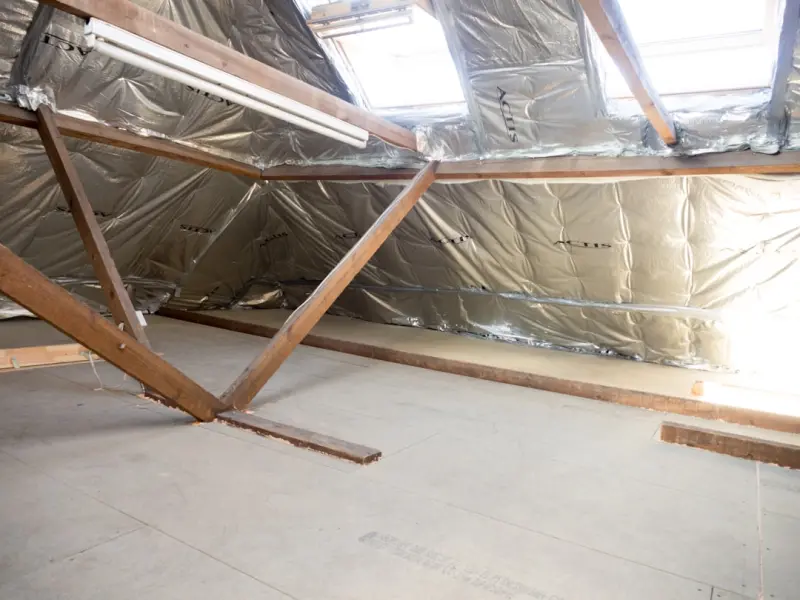
Beyond the R-Value: Insulation as a Wellness and ESG Catalyst
Insulation today does more than keep heat in; it enhances indoor air quality, acoustic comfort, and ... Read More
Top Posts

Reviving Your Home's Former Glory: A Comprehensive Guide to Sustainable Home Restoration
Sustainable home restoration is about creating a living space that's not only beautiful but also sustainable and energy-efficient. Learn how to revive your home...Read More

Connected Fencing: How IoT Redefines Perimeter Management for Modern Enterprises
A fence is no longer just a barrier. Learn how connected fencing leverages sensors, solar power, and AI to deliver security, sustainability, and data-driven ins...Read More

Unlocking Everyday Comfort: 12 Home Hacks That Actually Work
A seasoned homeowner shares twelve easy, low‑cost tips—from smart lighting to DIY acoustic fixes—that transform everyday living into a more comfortable, e...Read More
Solar as a Business Platform: Turning Sunlight into Strategic Advantage
Solar is evolving from a simple energy source into a strategic platform that drives revenue, resilience, and brand value. Learn how to embed solar into your bus...Read More
0 Comments
Post Comment
You will need to Login or Register to comment on this post!