

Floor Heating: A Comprehensive Guide to Warm and Cozy Floors
Floor heating is a luxurious and efficient way to warm your home, providing a cozy and comfortable living space for you and your family. As a construction expert, I've had the pleasure of working with various heating systems, and I'm excited to share my knowledge with you on the benefits and installation process of floor heating. In this article, we'll explore the different types of floor heating systems, their advantages, and how to integrate them into your home renovation project.
Types of Floor Heating Systems
There are several types of floor heating systems available, each with its own unique characteristics and benefits. The most common types of floor heating systems are:
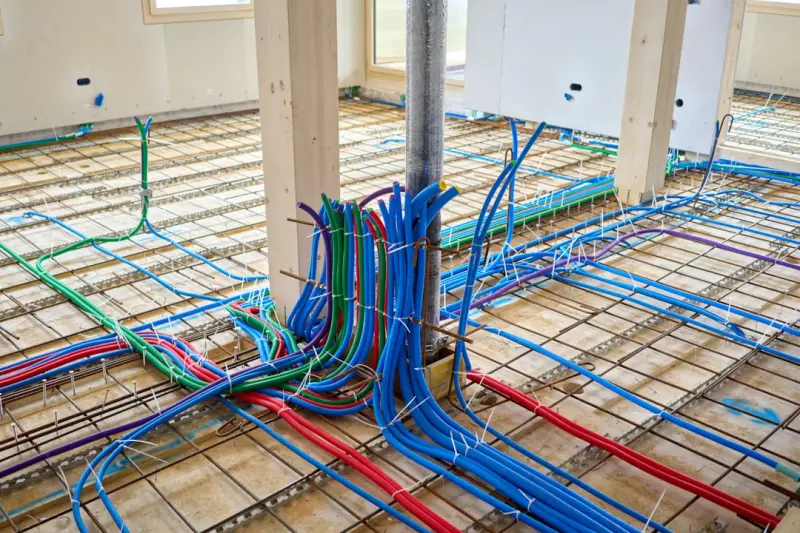
- Hydronic Floor Heating: This system uses hot water flowing through pipes under the floor to warm the space. Hydronic floor heating is a popular choice for its energy efficiency and flexibility.
- Electric Floor Heating: This system uses electric heating mats or cables under the floor to warm the space. Electric floor heating is easy to install and provides quick heat.
- Radiant Floor Heating: This system uses a combination of hot water and electric heating to warm the space. Radiant floor heating provides consistent and efficient heat.
Benefits of Floor Heating
Floor heating offers numerous benefits, including:
- Energy Efficiency: Floor heating systems are designed to provide efficient heat, reducing energy consumption and costs.
- Comfort: Floor heating provides a warm and cozy living space, perfect for cold winter months.
- Flexibility: Floor heating systems can be installed under various types of flooring, including tile, hardwood, and carpet.
When it comes to home renovations, floor heating can be a valuable addition to your project. For instance, if you're planning a bathroom renovation, floor heating can provide a warm and comfortable space for your family to enjoy. Additionally, floor heating can be integrated with other smart home technologies, such as smart home automation systems, to create a seamless and efficient living experience.
Installation Process
The installation process of floor heating systems varies depending on the type of system and the size of the space. Here are the general steps involved:
- Planning and Design: Determine the type of floor heating system and the layout of the pipes or electric heating mats.
- Preparation: Prepare the subfloor and install any necessary insulation.
- Installation: Install the floor heating system, including pipes or electric heating mats.
- Testing: Test the system to ensure it's working efficiently and effectively.
For a successful installation, it's essential to work with experienced professionals who have expertise in floor heating systems. A construction expert can provide valuable insights and guidance throughout the installation process.
Maintenance and Troubleshooting
Regular maintenance is crucial to ensure the longevity and efficiency of your floor heating system. Here are some tips:
- Regular Checks: Regularly check the system for leaks, damage, or corrosion.
- Filter Maintenance: Clean or replace filters to ensure proper airflow and system efficiency.
- System Balancing: Balance the system to ensure even heat distribution.
Common Applications
Floor heating systems are suitable for various applications, including:
- Residential Homes: Floor heating is a popular choice for residential homes, providing a warm and cozy living space.
- Commercial Spaces: Floor heating is also used in commercial spaces, such as offices, restaurants, and hotels.
- Bathrooms: Floor heating is a popular choice for bathrooms, providing a warm and comfortable space.
Conclusion
Floor heating is a luxurious and efficient way to warm your home, providing a cozy and comfortable living space for you and your family. With various types of floor heating systems available, it's essential to choose the right one for your home renovation project. By understanding the benefits and installation process of floor heating, you can create a warm and inviting living space that you'll enjoy for years to come.
Final Tips and Recommendations
Before installing a floor heating system, consider the following:
- Consult a Professional: Consult with a construction expert or a flooring specialist to determine the best floor heating system for your home.
- Choose the Right Flooring: Choose flooring that's compatible with floor heating systems, such as tile, hardwood, or laminate.
- Regular Maintenance: Regularly maintain your floor heating system to ensure its longevity and efficiency.
By following these tips and recommendations, you can enjoy a warm and cozy living space with your new floor heating system.

David MacKinnon is a dynamic freelance writer known for his captivating storytelling and keen insights into the world of technology. With a passion for exploring the intersection of innovation and everyday life, he crafts engaging narratives that not only inform but also inspire his readers.
Related Posts

Heat From the Ground Up: How Radiant Floor Systems Redefine Modern Workspaces
Radiant floor heating offers uniform warmth, energy savings, and health benefits, making it a strate... Read More

Revolutionizing Home Comfort: The Future of Floor Heating
Floor heating is revolutionizing home comfort and energy efficiency. Learn about the benefits, types... Read More
The Untapped Power of Radiant Floor Heating: Health, Efficiency, and Smart Integration
Radiant floor heating is evolving from a comfort feature to a strategic asset, delivering health ben... Read More
Top Posts

Designing a Year‑Round, Multi‑Functional Deck That Works for Everyone
Learn to transform a basic deck into a year‑round, multi‑functional outdoor living space with durable materials, smart tech, pet‑friendly design, and lowâ...Read More

Why Subscription Handyman Services Are the Future of Home Maintenance
Subscription handyman services are reshaping home care by offering predictable pricing, proactive maintenance, and eco‑friendly practices, creating a seamless...Read More

When Wood Meets Tech: Crafting Smarter Workshops for the Modern Maker
Explore the convergence of traditional woodworking with cutting‑edge technology—from real‑time moisture monitoring to AI‑generated designs—offering a ...Read More

Resilient Roofing: Smart Materials, Sensors, and Sustainable Designs
Explore cutting‑edge roofing solutions—from impact‑resistant shingles to smart sensors and green roofs—that boost durability, lower energy costs, and fu...Read More
0 Comments
Post Comment
You will need to Login or Register to comment on this post!