

Why Insulation Is the Unsung Hero of Sustainable Living
When I first stepped onto a construction site fresh out of apprenticeship, the roar of power tools and the scent of fresh lumber were the things that grabbed my attention. It wasn’t until years later, after countless winter mornings battling drafty rooms, that I realized the true game‑changer hidden in the walls, attic, and crawl spaces: insulation. Proper insulation does more than keep the heat where you want it; it creates a stable thermal envelope that reduces the workload on HVAC systems, slashes utility bills, and cuts carbon emissions. In a market where homeowners are increasingly seeking green solutions, the humble batt or spray foam can be the difference between a house that merely shelters and a home that actively contributes to a healthier planet. Think of insulation as the silent steward of comfort, quietly working 24/7 to regulate temperature while you go about your day.
Energy Savings That Add Up Quickly
Imagine a scenario where your furnace runs at half capacity during a chilly night because the heat simply can’t escape. That’s the reality for a well‑insulated home, and the financial implications are startling. According to the Department of Energy, a properly insulated house can see a reduction in heating and cooling costs of up to 30 %, translating to hundreds of dollars saved each year. Those savings compound over time, freeing up budget for other sustainability upgrades like solar panels or high‑efficiency appliances. Moreover, lower energy consumption means a smaller carbon footprint, aligning your household with global climate goals without sacrificing comfort. It’s a win‑win that demonstrates why insulation isn’t a cost center but an investment with measurable returns.
Health Benefits Beyond the Numbers
Beyond the obvious financial perks, insulation plays a critical role in indoor air quality, a factor often overlooked by budget‑focused homeowners. By sealing gaps and preventing uncontrolled airflow, you reduce the infiltration of outdoor pollutants, dust, and allergens, creating a healthier living environment for families, especially those with asthma or allergies. In addition, insulation helps maintain consistent humidity levels, thwarting the growth of mold—a silent menace that can undermine structural integrity and health alike. For a deeper dive into how insulation can transform your home into a sustainable sanctuary, check out The Hidden Power of Insulation, where I explore the science behind these health advantages.
Choosing the Right Material for Your Climate
Not all insulation is created equal, and selecting the appropriate type hinges on climate, budget, and the specific area of the home you’re targeting. In colder regions, closed‑cell spray foam offers superior air‑sealing capabilities and a high R‑value per inch, making it ideal for basements and crawl spaces where moisture is a concern. Conversely, in milder climates, cellulose—made from recycled newspaper—provides an eco‑friendly, cost‑effective solution that excels at sound dampening. Fiberglass batts remain a popular choice for attic installations due to their ease of handling and affordability, though they must be installed meticulously to avoid gaps. Understanding the nuances of each material ensures you don’t overpay for performance you’ll never use, and it sets the stage for a truly efficient thermal envelope.
Installation Tips from a Veteran Contractor
Even the best insulation can fall short if not installed correctly, so here are a few battle‑tested tips to keep your project on track. First, always wear protective gear—gloves, goggles, and a respirator—to shield yourself from irritants, especially when working with fiberglass or spray foam. Second, seal every penetration point—electrical boxes, vent chases, and pipe sleeves—before laying down insulation; these tiny gaps are the culprits behind most energy leaks. Third, use a reliable vapor barrier where required, but be mindful of climate‑specific guidelines to avoid trapping moisture inside wall assemblies. For a collection of practical, green‑focused upgrades that complement insulation work, I recommend reading Sustainable Home Hacks, which offers a suite of complementary strategies to maximize your home’s efficiency.
Common Mistakes That Undermine Performance
Even seasoned DIYers can stumble over a few pitfalls that erode the benefits of a solid insulation job. One frequent error is compressing batt insulation to fit a space; this reduces its thickness and R‑value, effectively nullifying its intended performance. Another is overlooking the importance of continuous insulation across the building envelope; gaps at the top of walls or around window frames create thermal bridges that siphon heat away. Finally, many homeowners forget to assess the condition of existing insulation before adding new layers; old, wet, or degraded material can harbor mold and diminish overall effectiveness. By staying vigilant and following proven best practices, you safeguard your investment and ensure the home remains a true energy‑saving sanctuary.
Integrating Insulation with Other Sustainable Systems
Insulation doesn’t operate in isolation; it works best when coordinated with complementary sustainable technologies. Pairing a robust insulation package with a high‑efficiency heat‑pump can dramatically reduce heating loads, while a well‑sealed home maximizes the impact of renewable energy sources like solar panels. Additionally, incorporating smart thermostats that learn occupancy patterns further refines energy use, but these devices only reach their full potential when the building envelope is tight. Regular energy audits—often termed energy inspections—can pinpoint weak spots and guide you in fine‑tuning the synergy between insulation, ventilation, and heating/cooling systems, ensuring every kilowatt hour is used wisely.
Maintenance, Inspection, and Long‑Term Success
Once your insulation is in place, the work isn’t truly done; ongoing maintenance is essential to preserve its performance for decades. Schedule a visual inspection at least once a year, looking for signs of moisture, pest intrusion, or settled material that may have shifted after settling. In attic spaces, ensure adequate ventilation to prevent condensation, especially in colder climates where roof snow can melt and seep down. If you notice cold spots or rising energy bills, a blower door test can reveal hidden leaks that require resealing or additional insulation. By staying proactive, you not only protect your home’s comfort but also extend the lifespan of your HVAC equipment, reinforcing the long‑term value of your investment.
Wrapping Up: Your Path to a Sustainable, Comfortable Home
Insulation may not be the flashiest component of a renovation, but it’s the foundation upon which every other sustainable upgrade builds. From slashing energy costs and enhancing indoor health to supporting renewable technologies, a well‑executed insulation strategy is the cornerstone of modern green building. As someone who’s spent decades in the trenches of construction, I can attest that the peace of mind that comes from a tightly sealed, well‑insulated home is priceless. Take the first step today: assess your current envelope, choose the right material for your climate, and commit to flawless installation. Your future self—and the planet—will thank you.

David MacKinnon is a dynamic freelance writer known for his captivating storytelling and keen insights into the world of technology. With a passion for exploring the intersection of innovation and everyday life, he crafts engaging narratives that not only inform but also inspire his readers.
Related Posts

Insulation Insights: Turning Your Home’s Skin Into a Smart, Sustainable Shield
Explore a fresh take on insulation that balances eco‑friendly materials, smart home integration, a... Read More

Insulation Uncovered: A Homeowner’s Data‑Driven Path to Real Comfort
A homeowner’s step‑by‑step guide to auditing, selecting, and integrating insulation for real c... Read More
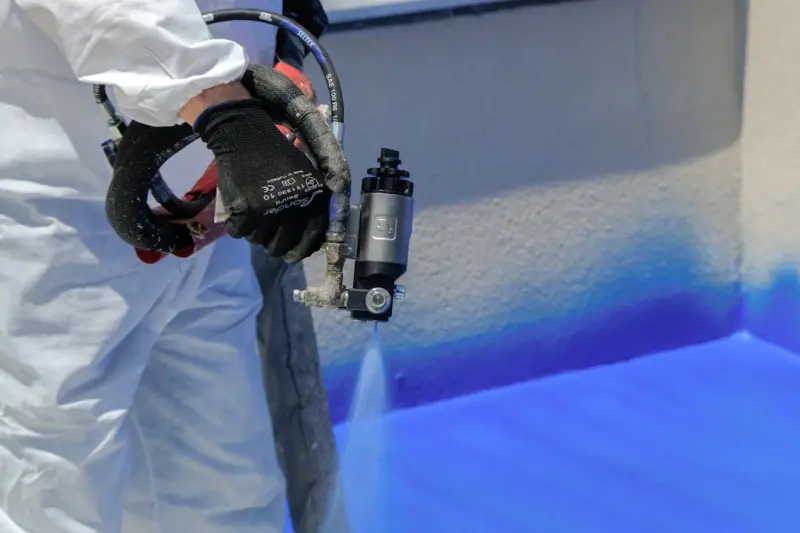
The Invisible Advantage: How Smart Insulation Is Redefining Building Performance
Insulation is evolving from a passive barrier to a data‑driven performance layer. Learn how advanc... Read More
Top Posts
Plumbing Meets Tech: How IoT Is Redefining Home Water Systems
A deep dive into how IoT is turning everyday plumbing into an intelligent, data‑driven system—covering smart faucets, predictive leak detection, greywater r...Read More
From Storage to Sanctuary: Reimagining Your Backyard Shed
Explore fresh ideas to transform an ordinary shed into a functional, inviting space—whether a home office, art studio, or cozy retreat—using clever design, ...Read More

The Hidden Power of Insulation: Comfort, Health, and Future‑Proofing Your Home
Explore insulation beyond temperature control—learn about acoustic benefits, eco‑friendly options, smart tech, and DIY strategies to future‑proof your hom...Read More
Why Your Pipes Need a Sustainable Overhaul
A veteran contractor shares practical, sustainable plumbing upgrades—from leak detection to smart fixtures—that reduce waste, lower bills, and future‑proo...Read More
0 Comments
Post Comment
You will need to Login or Register to comment on this post!