

Understanding the Energy Inspection Landscape
When I first stepped onto a job site with a clipboard and a thermal imaging camera, I felt the electric buzz of responsibility—every wall, window, and duct whispering data about inefficiency, and my role was to translate that murmur into actionable insight; the modern energy inspector must blend the rigor of an engineer with the intuition of a seasoned carpenter, because the numbers on a blower door test are only as useful as the story they tell the homeowner. Over the past decade, the industry has shifted from a compliance‑only mindset to a holistic, sustainability‑first approach, meaning that a comprehensive energy audit now incorporates airtightness, insulation performance, and even the health impact of indoor air quality, creating a roadmap that balances cost savings with environmental stewardship. In practice, this translates to walking through a house with a keen eye for thermal bridges, spotting the subtle drafts around recessed lighting, and then recommending upgrades that not only lower utility bills but also enhance comfort—a process that feels like solving a puzzle where every piece is a chance to reduce carbon footprints.
One of the most rewarding moments in my career occurs when I uncover a hidden inefficiency that has been draining a family’s budget for years; for instance, a simple attic vent seal can slash heating costs by up to 15%, and when I pair that discovery with a clear, jargon‑free report, the homeowner instantly sees the value of the investment. The key is to present data in a narrative that resonates: I compare the energy loss to everyday experiences, like leaving a refrigerator door open, to illustrate how small changes can have massive cumulative effects, and I always back my suggestions with reputable standards such as the Passive House criteria, which lend credibility to the recommendations. By framing the audit as a partnership rather than a checklist, I empower residents to take ownership of their energy future, turning what could be a daunting technical assessment into a collaborative journey toward a greener, more resilient home.
Another emerging trend is the integration of smart technology into the inspection process; portable IoT sensors now allow me to monitor humidity, temperature, and even occupancy patterns in real time, creating a dynamic model of a home’s energy performance that evolves with the seasons. These devices feed data into cloud‑based analytics platforms, where machine learning algorithms highlight anomalies that might escape the human eye, such as a subtle rise in moisture behind a wall that could signal future mold growth—an insight that dovetails perfectly with my background in sustainable remediation. Embracing these tools not only enhances the accuracy of my findings but also positions me as a forward‑thinking professional who can guide clients through the transition to automated, energy‑aware living spaces, where a smartphone notification can prompt a homeowner to close a drafty window before the heating system kicks in.
Practical Steps for Homeowners After an Energy Audit
Once the audit report lands on the kitchen table, the next phase is translating recommendations into realistic, budget‑friendly actions; I always start by prioritizing low‑cost, high‑impact measures such as weatherstripping doors, sealing gaps with low‑VOC caulk, and adding reflective insulation to the attic, because these quick wins can deliver immediate savings while setting the stage for more extensive upgrades. For homeowners concerned about upfront expenses, I suggest exploring financing options like energy‑efficiency loans or utility rebates, which often cover a substantial portion of projects like duct sealing or high‑performance windows, ensuring that the financial barrier does not stall progress toward a tighter envelope. Moreover, I encourage clients to schedule a follow‑up blower door test after each phase, because seeing the measurable improvement—say a drop from 1.2 ACH50 to 0.6 ACH50—reinforces the value of each investment and motivates continued commitment to the energy‑saving journey.
One area that frequently slips under the radar is the condition of a home’s gutters, yet they play a pivotal role in maintaining a dry, energy‑efficient envelope; clogged or improperly sloped gutters can lead to water intrusion, compromising insulation and encouraging mold, which in turn forces HVAC systems to work harder. I often reference Why Your Gutters Need a Sustainable Upgrade to illustrate how using recycled aluminum and installing leaf‑guards not only extends the lifespan of the gutter system but also aligns with broader sustainability goals, reducing the need for frequent replacements and minimizing landfill waste. By treating the roof‑to‑foundation drainage system as a component of the overall energy strategy, homeowners can prevent costly water damage that would otherwise erode the gains achieved through insulation and air sealing.
Linking Energy Inspection to Broader Sustainable Practices
Energy inspection does not exist in isolation; it is a cornerstone of a holistic sustainability plan that can include everything from green landscaping to renewable energy generation, and my experience shows that the most successful projects are those that weave these threads together into a cohesive narrative. For example, after sealing a home’s envelope, I often advise clients to consider upgrading to a heat recovery ventilator (HRV) that captures waste heat while providing fresh air, a solution that dovetails nicely with the findings of The Sustainable Contractor’s Guide to Duct Cleaning, since clean, well‑balanced ducts are essential for maximizing the efficiency of any ventilation system. This synergy ensures that the energy saved from reduced heating and cooling loads is not wasted on circulating stale air, creating a virtuous cycle where each improvement amplifies the next.
Furthermore, I encourage homeowners to think beyond the interior and consider external elements such as solar shading, tree planting, and even the orientation of outdoor living spaces; strategic placement of deciduous trees can provide summer shade while allowing winter sunlight to warm the house, effectively acting as a natural thermostat that reduces reliance on mechanical heating and cooling. When these passive strategies are combined with data‑driven insights from the energy audit, the result is a home that not only consumes less power but also offers a healthier, more comfortable environment—one where indoor air quality is protected, moisture levels are stable, and the carbon footprint shrinks in measurable increments. This comprehensive approach reflects my belief that sustainable living is a tapestry of interwoven choices, each thread reinforcing the others to produce a resilient, future‑ready home.

When it comes to the world of blogging and writing, Rose DesRochers is a name that stands out. Her passion for creating quality content and connecting with her audience has made her a trusted voice in the industry. Aside from her skills as a writer and blogger, Rose is also known for her compassionate nature.
Related Posts

Unlocking Energy Efficiency: The Critical Role of Energy Inspections in Modern Homes
Energy inspections play a vital role in ensuring that your home is energy-efficient, comfortable, an... Read More
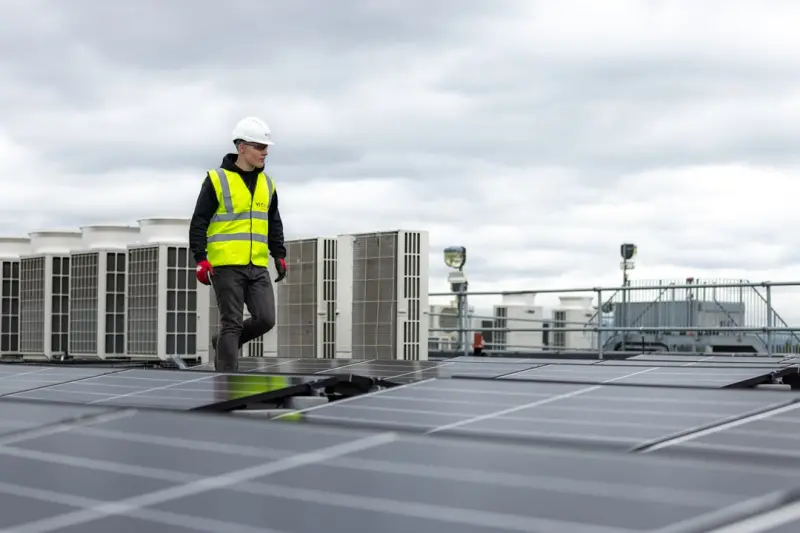
How Real‑Time Energy Audits Are Redefining Facility Management
Real‑time energy audits combine sensor networks, AI analytics, and digital twins to turn tradition... Read More
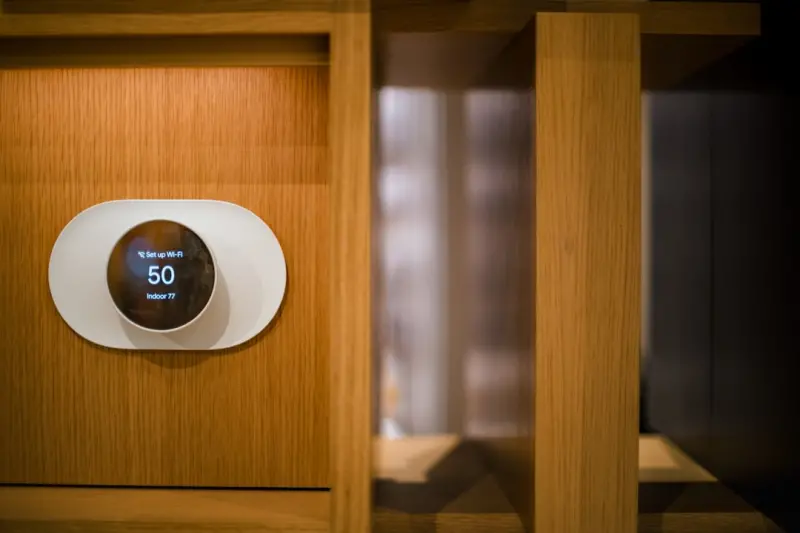
Beyond the Thermostat: Uncovering Hidden Energy Waste
Modern energy inspection goes beyond insulation, using thermal cameras, smart sensors, and AI to pin... Read More
Top Posts
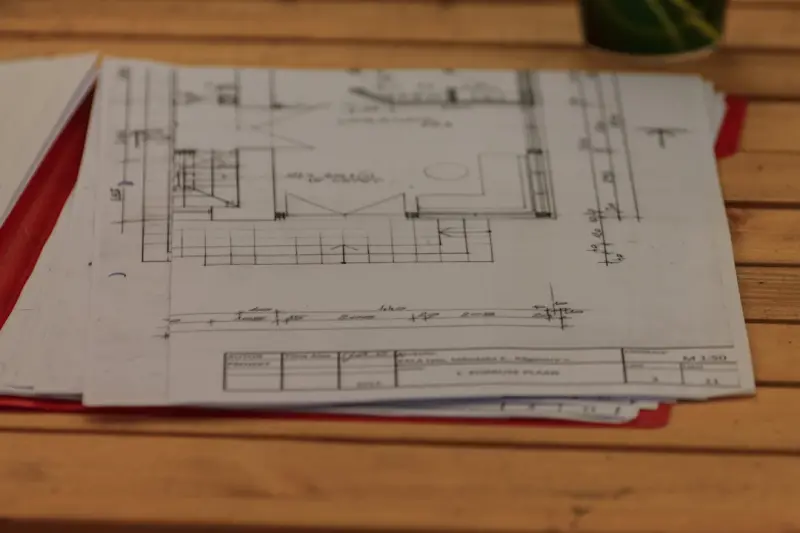
Design‑Build Mastery: A Fresh Playbook for Adaptive, Collaborative Renovations
A fresh design‑build playbook shows how early integrated planning, prefabricated modules, VR, and sustainable sourcing can transform renovations into adaptabl...Read More
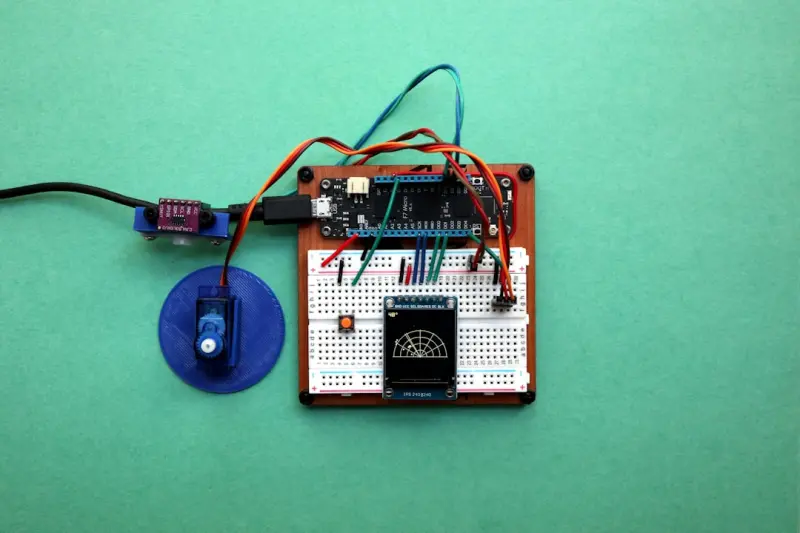
The DIY Diagnostic Revolution: Turning Appliance Failures into Data‑Driven Wins
A hands‑on guide to building a low‑cost diagnostic kit, spotting early warning signs, and creating community repair hubs that keep appliances running longer...Read More
Turn Old Gutters into DIY Home Assets
Learn how to transform discarded gutters into functional décor—planters, rain‑chains, and shelves—through easy, sustainable DIY projects that add charm a...Read More
From Shingles to Data Hubs: Reimagining Roofs for the Modern Facility
Explore a fresh perspective on roofing that treats the roof as an intelligent platform, leveraging drones, sensors, and integrated solar to transform a passive ...Read More
0 Comments
Post Comment
You will need to Login or Register to comment on this post!