

The Importance of Insulation in Sustainable Home Design
As the world becomes increasingly aware of the need for sustainable living, homeowners are looking for ways to reduce their environmental footprint. One often-overlooked aspect of sustainable home design is insulation. Proper insulation can play a crucial role in reducing energy consumption, lowering greenhouse gas emissions, and creating a more comfortable living space. In this article, we'll explore the importance of insulation in sustainable home design and provide tips on how to choose the right insulation for your home.
The Role of Insulation in Sustainable Home Design
Insulation is a critical component of sustainable home design, as it helps to reduce heat transfer between the interior and exterior of the home. During the winter months, insulation helps to keep warm air in, while in the summer months, it keeps hot air out. This can significantly reduce the need for heating and cooling, which are two of the largest contributors to energy consumption in the home. By reducing the need for heating and cooling, homeowners can lower their energy bills and reduce their carbon footprint. In fact, the U.S. Department of Energy estimates that proper insulation can save homeowners up to 30% on their energy bills.
Types of Insulation
There are several types of insulation available, each with its own unique benefits and drawbacks. Some of the most common types of insulation include fiberglass, cellulose, and spray foam. Fiberglass insulation is one of the most popular types of insulation, as it is affordable and easy to install. However, it can be prone to settling over time, which can reduce its effectiveness. Cellulose insulation, on the other hand, is made from recycled materials and can provide better thermal performance than fiberglass. Spray foam insulation is a more expensive option, but it provides excellent thermal performance and can help to seal air leaks.
Choosing the Right Insulation for Your Home
When choosing the right insulation for your home, there are several factors to consider. First, you'll need to determine the R-value of the insulation, which measures its thermal performance. The higher the R-value, the better the insulation will perform. You'll also need to consider the climate and location of your home, as well as any local building codes or regulations. For example, if you live in a cold climate, you may need to choose insulation with a higher R-value to ensure that your home stays warm. Additionally, you may want to consider sustainable windows and doors to further reduce heat loss and gain.
Benefits of Sustainable Insulation
Sustainable insulation can provide a number of benefits for homeowners, including reduced energy consumption, lower greenhouse gas emissions, and improved indoor air quality. Sustainable insulation can also help to reduce waste and support local economies. For example, recycled denim insulation is made from recycled materials and can provide excellent thermal performance. Additionally, sustainable insulation can help to create a healthier living space by reducing the presence of moisture and mold.
The Connection to Sustainable Home Design
Insulation is just one aspect of sustainable home design, but it plays a critical role in creating a energy-efficient and comfortable living space. Other aspects of sustainable home design include sustainable HVAC systems, sustainable window treatments, and sustainable fencing options. By incorporating these elements into your home design, you can create a sustainable and energy-efficient living space that benefits both you and the environment.
Common Mistakes to Avoid
When it comes to insulation, there are several common mistakes to avoid. One of the most common mistakes is inadequate insulation, which can lead to energy losses and reduced comfort. Another common mistake is improper installation, which can reduce the effectiveness of the insulation. Homeowners should also be aware of the potential for moisture damage and mold growth, which can be caused by poor insulation or ventilation.
The Future of Insulation
The future of insulation is exciting, with new technologies and materials being developed all the time. One of the most promising areas of research is in the development of smart insulation materials that can adapt to changing temperatures and conditions. These materials have the potential to provide even greater energy efficiency and comfort than traditional insulation materials. Additionally, there is a growing trend towards sustainable and recycled insulation materials, which can help to reduce waste and support local economies.
Conclusion
In conclusion, insulation plays a critical role in sustainable home design, providing a range of benefits including reduced energy consumption, lower greenhouse gas emissions, and improved indoor air quality. By choosing the right insulation for your home and incorporating sustainable design principles, you can create a energy-efficient and comfortable living space that benefits both you and the environment. Whether you're building a new home or retrofitting an existing one, insulation is an important consideration that can have a lasting impact on your energy bills and your carbon footprint.
Additional Resources
For more information on sustainable home design and insulation, check out the following resources:
- The U.S. Department of Energy's guide to insulation and energy efficiency
- The Environmental Protection Agency's guide to sustainable building materials
- The National Association of Home Builders' guide to sustainable home design
By taking the time to research and understand the importance of insulation in sustainable home design, homeowners can make informed decisions about their energy usage and reduce their environmental footprint.

Kelly Reynolds is a dynamic freelance writer hailing from the picturesque landscapes of Alberta. A master of the written word, she juggles her passion for storytelling with the exhilarating chaos of being a mother to five spirited children. With an impressive portfolio that spans various genres, Kelly captivates readers through her engaging blog posts and thought-provoking articles.
Related Posts
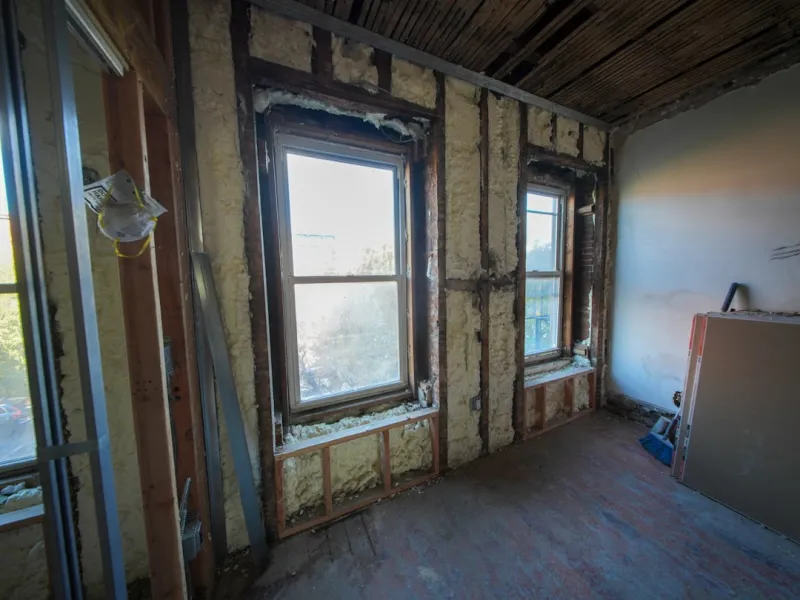
The Evolution of Insulation: How Modern Materials Are Changing the Game
The evolution of insulation materials and techniques is transforming home construction and maintenan... Read More
Dynamic Insulation: Turning Passive Barriers into Active Energy Managers
A deep dive into the next wave of insulation technology, showing how sensors, phase‑change materia... Read More
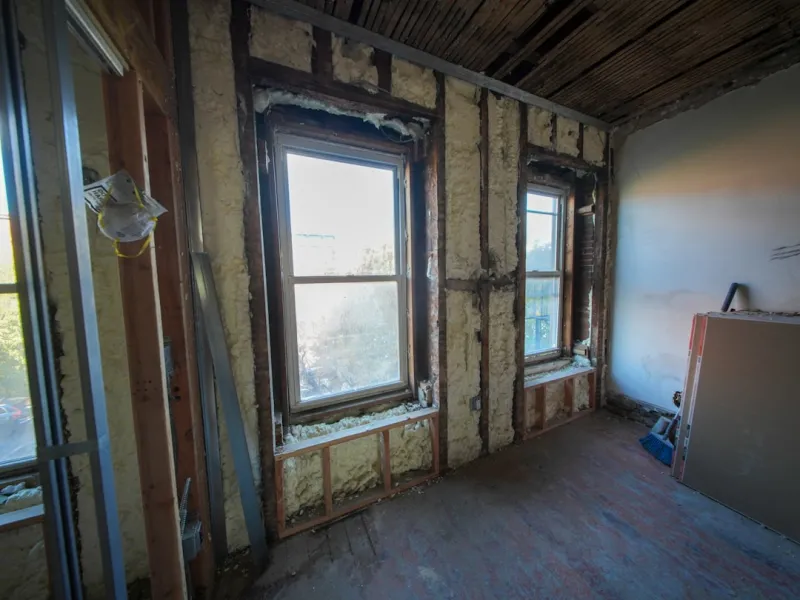
The Evolution of Insulation: How Modern Materials Are Changing the Game
Insulation has come a long way in recent years, with modern materials and technologies offering supe... Read More
Top Posts
Revamping Your Home's Aesthetic: A Comprehensive Guide to Interior Design
Get expert advice on revamping your home's interior with our comprehensive guide to interior design. Learn how to create a beautiful and functional space that r...Read More

Beyond Parking: Designing a High‑Performance, Multi‑Use Garage
Discover how to convert a standard garage into a high‑performance, multi‑functional space using durable concrete, smart insulation, advanced lighting, and f...Read More

Why Carpet Cleaning Is the Unsung Hero of a Healthy Home
A deep dive into the health, environmental, and financial benefits of proper carpet cleaning, featuring cutting‑edge techniques, sustainable practices, and fu...Read More

The Hidden Playbook for Long‑Term Mold Prevention
A step‑by‑step guide reveals how moisture control, ventilation, smart material choices, and ongoing monitoring combine to stop mold before it spreads....Read More
0 Comments
Post Comment
You will need to Login or Register to comment on this post!