

When Windows & Doors Think Like Roommates
Imagine walking into a room and the windows whisper, “It’s a bright morning, let’s open a crack.” At the same time, the front door nods, “Welcome back, I’ve already let the HVAC know you’re home.” This isn’t sci‑fi; it’s the emerging reality of AI‑driven glazing and smart entry systems. As a longtime contractor turned tech‑enthusiast, I’ve watched the industry shift from static panes to responsive portals. In this piece, I’ll unpack how next‑generation windows and doors are redefining energy performance, occupant health, and security—all while fitting seamlessly into the modern, data‑rich home.
Why Traditional Windows & Doors Are Stuck in the Past
For decades, architects and builders have treated windows and doors as purely static building components. Their primary functions—light, view, and access—were balanced against simple performance metrics: U‑value for heat loss, SHGC (Solar Heat Gain Coefficient) for solar gain, and the dreaded “air leakage” numbers. The result? A trade‑off maze where you either sacrifice daylight for efficiency or accept higher energy bills for a panoramic view.
But the static approach ignores three critical realities:
- Occupant behavior is dynamic. A family’s routine changes seasonally, and a one‑size‑fits‑all performance rating can’t keep up.
- Weather is hyper‑variable. A cloudburst in the afternoon may demand instant shading, while a clear night could benefit from passive solar heating.
- Building systems are increasingly intelligent. HVAC, lighting, and even home security are now networked, yet windows and doors remain isolated islands.
These gaps create missed opportunities for energy savings, comfort, and safety. The answer lies in turning windows and doors into active participants in the home ecosystem.
AI‑Powered Glazing: The Brain Behind the Glass
Enter smart thermostat technology and its siblings—AI algorithms that predict occupancy, weather, and utility pricing. When paired with electrochromic or thermochromic glazing, the result is a window that can tint, clear, or even heat itself on command.
How does it work? Sensors embedded in the frame capture temperature, humidity, solar irradiance, and even CO₂ levels. The data streams to a local edge processor that runs a lightweight machine‑learning model. This model learns the household’s patterns: when you usually wake up, when you like the blinds down for a movie, or when the kids are out for soccer. Based on these insights, the glass adjusts its tint in seconds, reducing glare and heat gain without a single manual crank.
Real‑world tests show up to 30 % reduction in cooling loads during peak summer days, while maintaining visual comfort. In winter, the glass can enter a low‑emissivity state, reflecting interior heat back into the room and slashing heating demand.
Smart Doors: More Than Just a Lock
Doors have traditionally been about security and aesthetics. Modern smart locks are great, but the next frontier is contextual access control. Imagine a front door that:
- Detects the homeowner’s smartphone and pre‑unlocks while simultaneously adjusting indoor temperature to the preferred “arriving home” setting.
- Communicates with the garage door to create a seamless entry flow, eliminating the “step‑out‑into‑rain” moment.
- Uses a built‑in air‑quality sensor to trigger an exhaust fan if indoor pollutants exceed a threshold, protecting occupants before they even step inside.
These capabilities rely on a secure, low‑latency mesh network—often adaptive electrical panels that allocate power where it’s needed most, ensuring that sensors and actuators never suffer from brown‑out conditions.
Thermal‑Break Frames: The Unsung Hero of Energy Performance
Even the smartest glass can’t compensate for a poorly designed frame. Thermal‑break technology inserts a non‑conductive barrier—typically polyamide or fiberglass—between the interior and exterior aluminum sections. This dramatically reduces conductive heat loss, often cutting frame‑related U‑values by half.
When combined with AI‑controlled glazing, thermal‑break frames become a dual‑layer defense against energy waste. The glass adapts to solar conditions while the frame prevents the building envelope from acting as a thermal shortcut.
Acoustic Comfort: Quieting the Urban Jungle
In dense neighborhoods, outside noise is a constant annoyance. Modern acoustic glazing uses multiple laminated layers with varying densities, creating a “sound‑cancelling” effect. When paired with AI, the system can detect external noise spikes—like a passing train—and temporarily increase its attenuation level, offering a calm interior sanctuary.
Studies indicate that acoustic glazing can reduce interior noise levels by up to 25 dB, a difference that feels like moving from a bustling street to a quiet library.
Health‑First Glazing: UV Management and Circadian Rhythm
While we love natural light, uncontrolled UV exposure can degrade furnishings and affect skin health. New electrochromic glasses can selectively block harmful UV while allowing beneficial visible light. Moreover, by syncing tint levels with the day’s natural light cycle, the system supports a healthier circadian rhythm—promoting better sleep and overall wellbeing.
Integrating this with smart lighting creates a harmonious environment: as the glass dims in the evening, interior LEDs shift to warmer tones, mimicking sunset. The result is a holistic “day‑to‑night” experience orchestrated by the home’s central controller.
Security Meets Sustainability: Reinforced Smart Glazing
Security is often at odds with sustainability; thick laminated glass offers protection but adds weight and cost. Recent advances in nanocomposite interlayers deliver comparable impact resistance with thinner profiles. Coupled with AI‑driven intrusion detection—using vibration sensors and facial recognition—owners get a door that’s both impenetrable and eco‑friendly.
In practice, a breach attempt triggers a cascade: the door locks, interior lights flash, and a pre‑recorded voice message warns the intruder, all while the home’s energy management system temporarily boosts power to security cameras and alerts the homeowner via mobile app.
Retrofit Pathways: Upgrading Existing Fenestration
Not every homeowner is ready for a full‑tear‑and‑replace. Fortunately, retrofit kits now exist that can transform legacy windows into smart units without major demolition. These kits typically include:
- Clamp‑on electrochromic film that adheres to the inner pane.
- Wireless sensor modules that plug into existing frame channels.
- Battery‑free power harvesting from ambient light or temperature differentials.
Installation can be completed in a weekend, delivering most of the energy and comfort benefits of a new system. This approach aligns with circular economy principles, extending the life of existing building stock while reducing waste.
Design Aesthetics: Form Meets Function
There’s a lingering myth that smart windows look “clinical.” Modern designs have shattered that perception. Minimalist frameless glass, concealed actuator tracks, and customizable hardware finishes mean that the technology can be invisible or a bold design statement—depending on the homeowner’s taste.
Architects now collaborate with manufacturers early in the design phase, ensuring that the smart components are integrated into the façade’s visual language, rather than tacked on as an afterthought.
Future Outlook: The Convergence of Windows, Doors, and the IoT
Looking ahead, the line between windows, doors, and the broader Internet of Things will blur. Imagine a home where:
- The front door unlocks as you approach, and the living‑room windows tint to block the midday glare that would otherwise heat the space.
- The system predicts a sudden drop in outside temperature, pre‑heats the glass, and signals the HVAC to reduce output, saving energy.
- During a power outage, the adaptive electrical panel reroutes backup battery power to keep the security sensors and essential glazing functions online.
This symbiosis will turn the building envelope from a passive shell into an active, intelligent skin—responsive, protective, and energy‑aware.
Practical Steps for Homeowners and Builders
Ready to bring these innovations to life? Here’s a quick roadmap:
- Audit your existing fenestration. Identify high‑exposure windows, outdated frames, and doors lacking security features.
- Prioritize based on ROI. Start with high‑solar‑gain zones for electrochromic upgrades; doors with high traffic benefit most from smart access controls.
- Choose compatible platforms. Ensure the glazing, door controllers, and home hub speak the same protocol (e.g., Matter, Zigbee).
- Consider a phased retrofit. Begin with sensor installations and software integration before committing to full pane replacements.
- Partner with knowledgeable installers. Look for contractors experienced in both building envelope performance and low‑voltage automation.
By treating windows and doors as dynamic assets rather than static fixtures, you unlock a cascade of benefits—lower energy bills, enhanced comfort, improved security, and a healthier indoor environment.
Conclusion: From Passive Openings to Proactive Guardians
Windows and doors have always been the eyes and mouth of a home. Today, they can also be the brain and nervous system, constantly learning, adapting, and protecting. As we continue to weave AI, advanced materials, and IoT connectivity into the fabric of our buildings, the once‑humble opening becomes a cornerstone of a truly intelligent, sustainable living space.
If you’re intrigued by the possibilities, start the conversation with your local supplier. Ask about electrochromic glass, thermal‑break frames, and smart door controllers that integrate with your existing home automation hub. The future isn’t waiting outside the door—it’s already looking back at you through a smarter pane of glass.

Paul Gray is a dynamic blogger based in Brampton, where he shares his life with his amazing wife, Sarah. Known for his engaging writing style and relatable insights, Paul has carved out a niche in the blogging world that resonates with readers from all walks of life. When he's not crafting captivating posts, you can find him savoring a cold beer or indulging in the latest blockbuster movie. With a friendly demeanor and a passion for storytelling, Paul brings a unique perspective to his work, making him not just a blogger, but a voice for those who appreciate the simple joys of life.
Related Posts
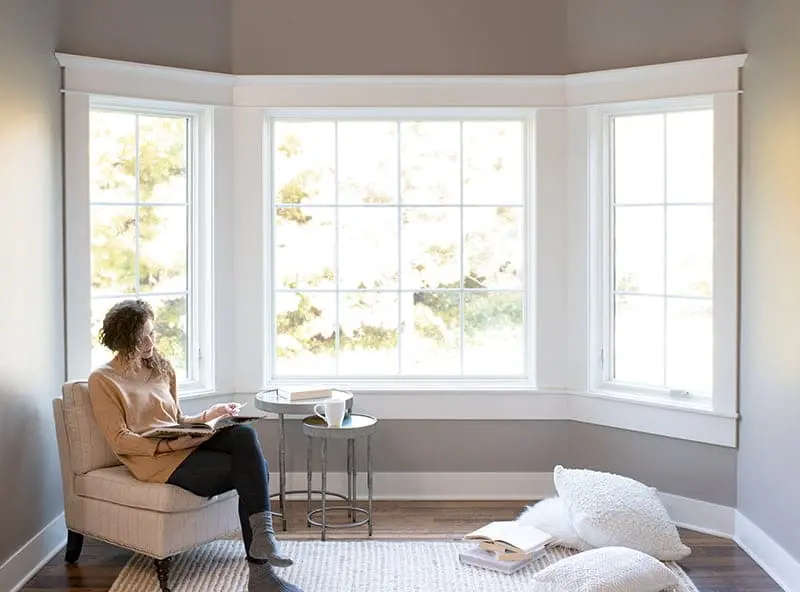
How Windows and Doors Shape Your Home’s Health and Comfort
Explore the hidden ways windows and doors influence indoor air flow, natural light, and health—pra... Read More
Sustainable Windows and Doors: A Key to Energy Efficiency
Sustainable windows and doors are crucial for energy efficiency and reducing environmental impact. L... Read More
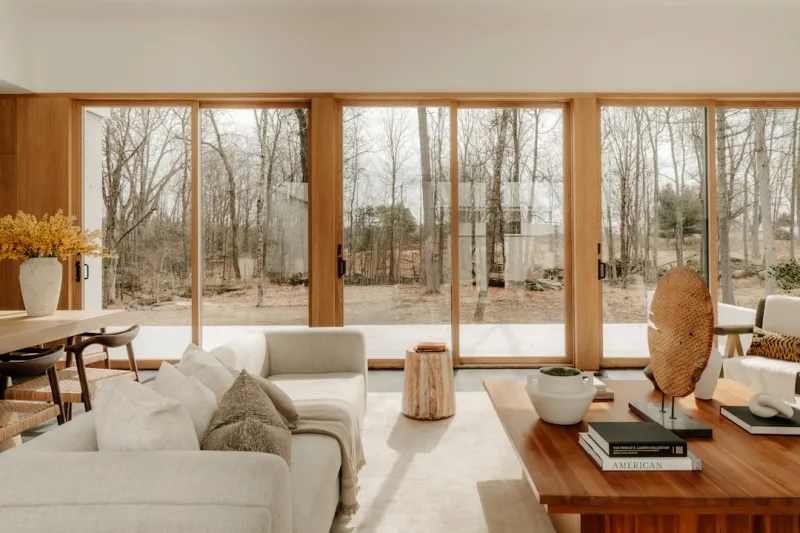
Reimagining Windows & Doors: Sustainable Design Meets Modern Living
Explore the latest trends in windows and doors, from eco‑friendly materials and smart integration ... Read More
Top Posts

Reinventing Drywall: High‑Performance Walls for Comfort, Efficiency, and Smarts
Discover a fresh approach to drywall that integrates acoustic backing, reflective insulation, recycled gypsum, and embedded IoT sensors, delivering quieter, mor...Read More

Design‑Build Fusion: Harnessing Real‑Time 3D Digital Twins to Accelerate Projects
Real‑time 3D digital twins are revolutionizing design‑build by providing instant feedback, risk transparency, and client empowerment, turning speculative de...Read More

Handyman Hacks: Sustainable Fixes That Save Money and the Planet
Learn how a modern handyman can blend classic repairs with sustainable upgrades—saving money, energy, and the environment in everyday home projects....Read More

Strategic Foundation Repair for Long-Term Asset Value
A data‑driven, sustainable approach to foundation repair transforms a hidden liability into a strategic asset, cutting costs, enhancing resilience, and boosti...Read More
0 Comments
Post Comment
You will need to Login or Register to comment on this post!