

Why Roofs Are the Next Untapped Real Estate Frontier
When I first stepped onto a construction site in downtown Vancouver, the sheer scale of the rooftops struck me. They loomed like silent, unused billboards, waiting for a purpose beyond merely keeping the rain out. As someone who lives at the intersection of design, sustainability, and business strategy, I began to wonder: what if those expansive, high‑visibility platforms could do more than protect a building? What if they could actively pay for themselves?
Enter the concept of roof‑integrated advertising—a strategic blend of architecture, branding, and revenue generation. In an age where every square foot of commercial real estate is scrutinized for ROI, the roof is the final frontier that most owners overlook. This article walks you through the why, the how, and the what‑next of turning a roof into a high‑impact advertising canvas, all while preserving structural integrity, sustainability goals, and community goodwill.
The Business Case: From Expense to Asset
Traditional roofing is seen as a line‑item expense: you purchase materials, pay for installation, and schedule periodic maintenance. The financial model is simple—costs go in, protection comes out. But the roof also offers a unique, perpetual exposure opportunity. Unlike a billboard on the street, a roof sits above a building’s footprint, giving it a 360‑degree visibility that can be leveraged for:
- Brand visibility in dense urban cores where ground‑level advertising space is saturated.
- New revenue streams through leasing agreements with advertisers, event promoters, or even local artists.
- Community engagement by showcasing local culture, public service messages, or sustainability initiatives.
According to industry studies, premium rooftop ad space can command rates 30‑50% higher than comparable street‑level placements, thanks to the unobstructed line of sight and the novelty factor. When you factor in the longevity of most roofing systems (15‑30 years), the payback period on an integrated advertising solution can shrink dramatically.
Designing for Dual Purpose: Aesthetic Meets Function
The first instinct might be to plaster a giant vinyl banner on top of a shingle roof. That’s a recipe for premature material degradation, water infiltration, and a brand reputation nightmare. Successful roof‑integrated advertising starts with a collaborative design process involving:
- Architects who understand load‑bearing capacities and wind uplift forces.
- Material engineers who can recommend lightweight, weather‑resistant substrates (think high‑density polymer films or translucent solar‑compatible membranes).
- Brand strategists who translate visual identity into a format that reads clearly from aerial perspectives.
One elegant solution is the use of perforated metal panels that double as a reflective surface for daylight while also serving as a backlit display for dynamic graphics. These panels can be integrated directly into the roofing membrane, maintaining waterproof integrity and extending the roof’s service life.
Technology Without Overlap: Leveraging Data Without Duplicating Existing Content
While it might be tempting to lean on the same smart‑sensor narrative that’s been explored elsewhere, roof‑integrated advertising can be tech‑savvy in a completely different way. Think real‑time performance dashboards that provide advertisers with analytics on impressions, weather conditions, and even pedestrian traffic underneath. By partnering with data platforms, owners can offer transparent ROI metrics—something that’s historically been a challenge in out‑of‑home advertising.
For readers interested in the broader tech ecosystem, I’ve previously explored how smart sensor integration can turn roofs into predictive assets. The same sensor networks can be repurposed to feed advertising dashboards, creating a symbiotic relationship between building performance and marketing performance.
Regulatory and Safety Considerations
Before you rush to print a massive ad, there are several regulatory hurdles to clear:
- Zoning ordinances often dictate signage size, illumination levels, and even the type of graphics allowed in commercial districts.
- Fire codes require that any added material meet flame‑spread and smoke‑development ratings. Lightweight polymer films designed for outdoor signage typically meet UL 723 standards, but verification is essential.
- Structural assessments must confirm that the roof can support the additional dead load of the advertising system plus any dynamic loads (wind, maintenance crews, etc.).
Working closely with a qualified structural engineer early in the process can prevent costly retrofits later. In many cases, the advertising system can be designed to be self‑supporting, using tensioned cable networks that distribute load evenly across the roof deck.
Sustainability Synergy: Turning Green Into Gold
There’s a growing expectation that commercial real estate aligns with sustainability goals. Roof‑integrated advertising can complement green roof initiatives or solar installations, rather than compete with them. For instance:
- Solar‑compatible graphics use translucent film that allows sunlight to reach underlying PV panels while still displaying branding.
- Living roof backdrops integrate low‑maintenance native plant species beneath a perforated advertising panel, creating a hybrid ecosystem that improves stormwater management.
- Recyclable substrates ensure that at the end of the system’s life, the materials can be reclaimed and repurposed, echoing the principles of circular materiality.
This synergy not only satisfies corporate ESG targets but also adds a compelling narrative for advertisers eager to associate with sustainable practices.
Operational Workflow: From Concept to Installation
Transforming a roof into a revenue‑generating billboard is a multi‑phase project. Below is a high‑level workflow that I’ve seen work well for forward‑thinking property owners:
- Feasibility Study: Conduct a site‑specific analysis of structural capacity, wind exposure, and local advertising regulations.
- Stakeholder Alignment: Bring together property managers, brand partners, and sustainability officers to define objectives and success metrics.
- Design Development: Engage architects and material specialists to produce a design that meets both performance and aesthetic criteria.
- Prototype Installation: Install a small‑scale mock‑up to test weather resistance, attachment methods, and visual impact.
- Full‑Scale Deployment: Roll out the complete system, integrating any necessary power, data, and maintenance access points.
- Performance Monitoring: Use sensor data and analytics dashboards to track ad impressions, structural health, and energy performance.
- Periodic Review: Conduct annual inspections (a practice reinforced by thermal imaging insights) and refresh ad content to keep the space dynamic.
Case Study: A Mid‑Size Office Tower Turns Its Roof Into a City Landmark
Consider a 12‑story office tower in the heart of a bustling tech district. The building’s owners partnered with a local digital agency to install a LED‑backlit, modular advertising system on the flat roof. Key outcomes included:
- Revenue Generation: $150,000 annually from a single 4,000‑sq‑ft ad lease, covering 30% of the roof’s maintenance costs.
- Brand Visibility: The ad was visible from three major transit corridors, increasing the advertiser’s brand recall by an estimated 22% (based on post‑campaign surveys).
- Sustainability Integration: The roof retained its existing green roof layer, with the ad panels installed on a lightweight aluminum grid that allowed sunlight to filter through.
- Community Impact: A rotating “local art” slot was added, showcasing work from regional artists and earning positive press coverage.
This example demonstrates that a roof can simultaneously serve as a protective envelope, a green space, and a media platform—a trifecta that aligns with modern corporate values.
Potential Pitfalls and How to Avoid Them
Every innovative approach carries risks. Here are the most common missteps and strategies to mitigate them:
| Pitfall | Mitigation Strategy |
|---|---|
| Under‑estimating Load | Commission a structural engineer to perform a detailed load analysis before finalizing design. |
| Regulatory Non‑Compliance | Engage a local sign consultant early to navigate zoning and fire code requirements. |
| Brand‑Message Fatigue | Rotate creative assets quarterly and incorporate dynamic content (e.g., weather‑responsive graphics). |
| Maintenance Overheads | Choose materials with proven durability and schedule regular inspections using drones or thermal imaging. |
Future Outlook: From Static Ads to Interactive Experiences
The next evolution of roof‑integrated advertising will likely blend static branding with interactive technology. Imagine a rooftop that:
- Projects augmented reality (AR) overlays visible through mobile devices, allowing passersby to explore a 3D brand story.
- Adjusts brightness and color temperature based on ambient light, reducing energy consumption while maintaining visual impact.
- Integrates environmental sensors that trigger green messaging when air quality reaches certain thresholds, reinforcing sustainability narratives.
These developments will blur the line between architecture and media, turning every roof into a living, breathing extension of a brand’s identity.
Getting Started: Your First Steps Toward Roof Monetization
If you’re intrigued and ready to explore this untapped revenue stream, here’s a simple checklist to kick‑off the conversation with your building’s stakeholders:
- Gather existing roof documentation (structural drawings, maintenance logs, and any previous inspection reports).
- Identify potential advertising partners whose brand values align with your building’s mission.
- Schedule a preliminary feasibility meeting with a qualified architect or roofing consultant.
- Develop a high‑level financial model outlining projected revenue vs. installation and maintenance costs.
- Draft a pilot proposal that includes a short‑term, low‑risk advertising trial (e.g., a 3‑month pop‑up campaign).
Remember, the goal isn’t just to slap a logo on a roof—it’s to create a strategic asset that enhances the building’s value, supports sustainability goals, and engages the community.
Conclusion: Reimagining the Roof as a Business Catalyst
Rooftops have long been the silent guardians of our built environment. By reimagining them as platforms for purposeful advertising, we unlock a new dimension of financial resilience, brand storytelling, and environmental stewardship. The journey from a passive shelter to an active revenue generator requires thoughtful design, rigorous engineering, and a dash of creative daring—qualities I see reflected in the most successful innovators across the industry.
So the next time you look up at a flat, unadorned roof, ask yourself: what story could that surface tell? With the right vision, the answer could be both profitable and inspiring.

When it comes to the world of blogging and writing, Rose DesRochers is a name that stands out. Her passion for creating quality content and connecting with her audience has made her a trusted voice in the industry. Aside from her skills as a writer and blogger, Rose is also known for her compassionate nature.
Related Posts
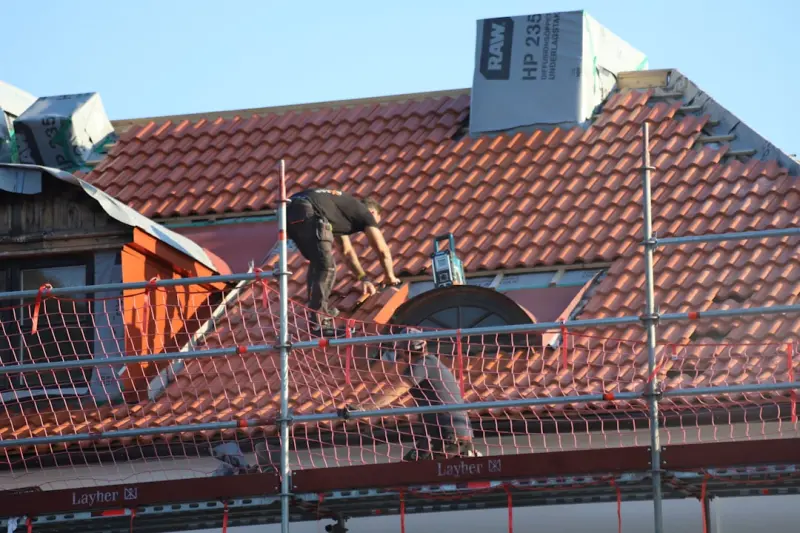
Strategic Roofing: Turning Your Roof Into a Business Asset
A roof can do more than keep water out. Learn how strategic material choices, integrated technology,... Read More

From Concrete Jungle to Living Canopy: The Untapped Power of Green Roofs
Green roofs turn ordinary rooftops into thriving ecosystems that combat heat islands, manage stormwa... Read More
Rethinking Roofs: From Passive Shield to Active Asset
This article reveals how modern roofing can evolve from a static cover into a data‑driven, climate... Read More
Top Posts

When Gutters Go Smart: Turning Rainfall into a Resilient Asset
A deep dive into how intelligent gutter systems can boost resilience, cut costs, and add sustainability value—complete with design tips, sensor tech, and real...Read More
The Modern Garage Door: Smart, Sustainable, and Stylish
Explore the latest trends in garage doors—from smart connectivity and eco‑friendly materials to solar‑powered designs—that combine performance, safety, ...Read More

The Ultimate Renovation Checklist: A Sustainable Approach
Create a comprehensive renovation checklist to ensure a smooth and sustainable home upgrade. Learn how to prioritize sustainable practices and materials to enha...Read More
Modular Mastery: Reimagining Home Construction for Speed and Sustainability
Modular construction is redefining residential building by offering rapid timelines, lower waste, and customizable designs, all while seamlessly integrating adv...Read More
0 Comments
Post Comment
You will need to Login or Register to comment on this post!